
Ingredients & Spices · The complete guide
Allspice
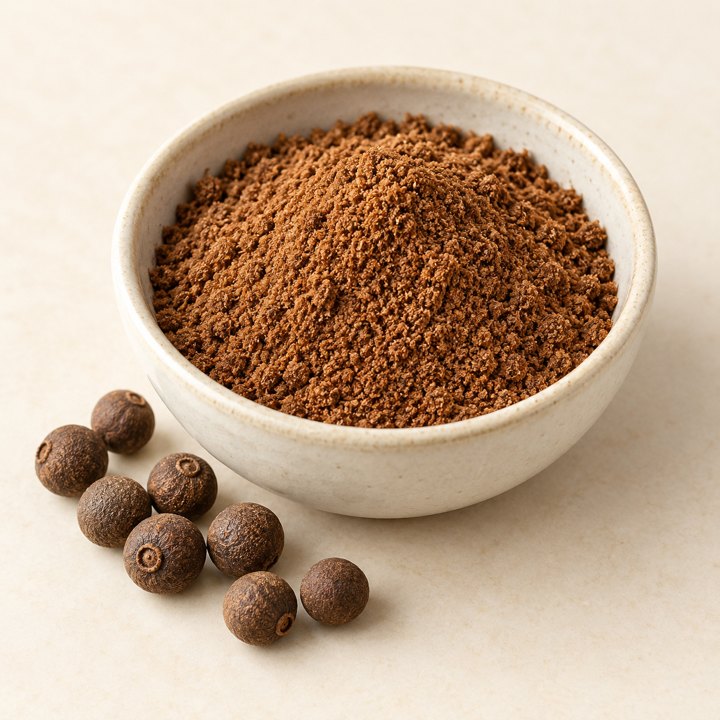
Allspice is the dried unripe berry of Pimenta dioica, also called pimento or Jamaica pepper. Its clove-like warmth recalls several spices, but it is one botanical ingredient rather than a ready-made mixture.
What it is and names to know
Allspice is the dried unripe berry of Pimenta dioica, also called pimento or Jamaica pepper. Its clove-like warmth recalls several spices, but it is one botanical ingredient rather than a ready-made mixture. In Pakistan ask for allspice by its English name; garam masala is a different product.
Origins, producing regions and Pakistan context
The plant belongs to the Caribbean and Central America. Its regional food history predates its entry into European spice commerce; an individual discoverer cannot responsibly be named. The English name describes the combined impression of clove, cinnamon and nutmeg.
Jamaica and Central America are associated with the crop. Pakistan generally encounters it as an imported whole or ground speciality spice. Whole and processed forms can cross borders separately: a spice may be imported, milled and repacked before sale in Pakistan. The growing countries listed here are not a claim about the direct supplier of a particular Pakistani packet.
Background: Spices Board: crop and ingredient reference.

Types and buying advice
Choose berries with a warm clove-like fragrance when crushed; powder should be labelled pure allspice rather than mixed spice.
How to cook with it
Crush berries for shawarma, kofta, meat marinades and pickles. A modest pinch of powder also suits carrot cake, stewed fruit and tomato sauce. Whole berries can simmer in a stock and be strained out.
For four servings of a savoury dish, begin with one quarter teaspoon ground allspice and adjust. It is especially useful where warm aroma is wanted without chilli heat.
For a shawarma-style marinade, distribute the powder through yoghurt or oil before coating the meat so one bite does not receive a concentrated pocket. In a stock, count the whole berries in and strain them out. If the finished food seems overly perfumed, adding more chilli only creates two competing strong flavours. Extend the unsalted base or serve the meat with plain rice, bread and a fresh yoghurt accompaniment instead.
Try the ingredient in Beef Shawarma. Follow each recipes specified form and quantity, since whole pieces and fine powder season food differently.
For related pantry ingredients, see the Pakistani ingredients and spices guide.
For a simple tomato-meat sauce, add a small pinch with the other dry seasoning after the onion softens. Compare it with a portion left unseasoned: allspice should add rounded warmth, while the tomato and meat remain recognisable.
Nutrition and realistic benefits
At the quantities usually used in a household dish, the main benefit is flavour rather than a large contribution of protein, vitamins or minerals. Composition tables often describe 100 grams, far more than an ordinary serving. A small seasoning quantity should not be advertised as a practical way to meet a daily mineral requirement. Aromatic food can help make simple lentils, vegetables and rice appealing, but the whole meals balance of ingredients, salt and fat still matters.
Disadvantages and precautions
Ground allspice can dominate delicate chicken. Do not substitute essential oil for culinary berries; a concentrated aromatic product has a different dose and safety profile.
Dry spices are not sterile foods. FDA food-safety guidance explains practical handling. Buying from a traceable food supplier is more dependable than trying to judge safety from appearance alone.
Substitutions and storage
Use a little cinnamon with a smaller pinch of clove and nutmeg. This approximates the aroma, although it will not reproduce allspice exactly.
Keep in a clean, tightly closed food container in a cool dry cupboard, away from the cooker and direct sun. Whole pieces generally retain aroma better than the same spice left ground. Date the jar when opened and buy an amount you can use while fragrant. Crush a small sample periodically: fading aroma means weaker flavour, while dampness, insects or a musty smell are reasons to discard it. Never tip a wet spoon into a dry-spice jar.
Names and forms used in our recipes
View the recipe names covered by this guide
- ground allspice
Frequently Asked Questions
How should allspice be mixed into a meat marinade?
For a shawarma-style marinade, distribute the powder through yoghurt or oil before coating the meat so one bite does not receive a concentrated pocket. In a stock, count the whole berries in and strain them out.
What can I use instead of allspice?
Use a little cinnamon with a smaller pinch of clove and nutmeg. This approximates the aroma, although it will not reproduce allspice exactly.
What is the main caution with allspice?
Ground allspice can dominate delicate chicken. Do not substitute essential oil for culinary berries; a concentrated aromatic product has a different dose and safety profile.
Keep Exploring
Related places and stories on DailyLife.pk

How we know this
- Type Explainer
- Sources 3 (1 official/academic)
- Reviewed November 2026
- Disputed points None
3 sources
Photo credits (1)
- Spice market @ Walled City @ Lahore (15449651456).jpg, Guilhem Vellut from Annecy, France, CC BY 2.0, via Wikimedia Commons
