
Ingredients & Spices · The complete guide
Rose water (Arq-e-gulab)
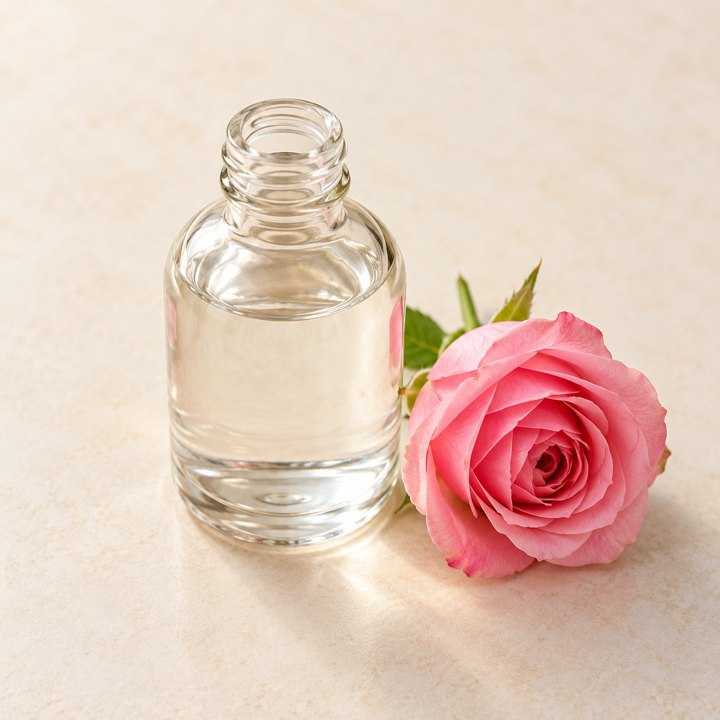
Rose water is food-grade aromatic water associated with rose petals and distillation. In Pakistan it is called arq-e-gulab.
What it is and local names
Rose water is food-grade aromatic water associated with rose petals and distillation. In Pakistan it is called arq-e-gulab. It is usually unsweetened and much less concentrated than rose essence. Cosmetic rose toner and edible rose water must be distinguished.
Origins and documented history
It belongs to longstanding Persian, Middle Eastern and South Asian flower-distillation and culinary traditions. The wider history includes many contributions to distillation. Attributing every rose-water preparation to one famous physician or a single discovery date would overstate the evidence.
Types and manufacture
Traditional rose water is collected as an aromatic distillate; commercial versions can use diluted extracts or blended flavourings. Rosa damascena and other roses are used in aromatic industries, but the ingredient list should identify the actual formulation rather than relying on a flower image.
Reference: Gulf Standardization Organization: Edible essential water, general requirements.
Production, trade and Pakistan
Iran, Turkey, India and other countries have established aromatic-rose industries. Pakistan uses rose water widely and has local as well as imported retail products. A local bottling address does not prove where the petals were grown or distilled.
How to use it
Add a small amount to lassi, milk sweets or kala jamun syrup near the end of cooking. Strong floral notes become perfumed quickly. Measure into a spoon and assess a cooled taste before adding more; heat can temporarily disguise an excessive dose.
Nutrition, benefits and limits
At ordinary flavouring quantities it contributes little energy and negligible nutrients. Its benefit is aroma and culinary identity, not a meaningful source of vitamins. Household edible rose water is not a proven treatment for digestive, eye or skin conditions.
Drawbacks, allergens and precautions
Use only food-grade products. Cosmetics may contain non-food preservatives, alcohol or fragrances. Check solvents and certification where relevant. Never use it to conceal the smell of spoiled dairy.
Substitutions and storage
Orange blossom water gives a different floral note and may be used sparingly where that change is welcome. Rose essence needs a much smaller dose than rose water. Omission can be preferable to an uncontrolled strong substitute.
Close tightly, protect from sunlight and follow after-opening storage directions. Keep the cap free of milk or syrup. Discard unexpected cloudiness, mould or an altered smell, and avoid transferring it to an unlabelled cosmetic-looking bottle.
Buying an edible flavouring
Choose a product explicitly labelled for food use. Cosmetic waters, incense oils, massage oils and perfume concentrates are not substitutes for edible flavourings, even when their botanical name sounds familiar. Read whether the bottle contains a distilled water, an extract, an essence or a compound flavouring. Their strengths can differ substantially. For halal requirements, check the actual product and its certification rather than assuming that a familiar traditional name describes the solvent or every ingredient in a modern bottle.
Adding aroma with control
A floral or woody aroma can become overpowering before it contributes much liquid. Measure a little into a spoon instead of pouring directly from a large bottle over the pan. Add near the end when the recipe allows, because prolonged boiling drives off volatile aromas. Cool a small sample and smell it before increasing the amount: the scent of a steaming pot is not identical to the flavour of the finished cold dessert. Pair one leading aroma with a restrained amount of another rather than making several strong essences compete.
Nutrition and substitutions in practice
At normal flavouring quantities, the contribution to protein, fibre, vitamins or minerals is negligible. The useful benefit is sensory: a few drops can give a milk dessert or syrup its recognizable character. Traditional medicinal associations should not be read as evidence that a dessert-sized dose treats an illness. If the flavouring is unavailable, leaving it out can give a cleaner result than replacing it with an unrelated perfume. Compare concentrations before substituting; equal spoonfuls of an essence and a distilled water can produce completely different strengths.
Storage that protects aroma
Keep the bottle tightly closed and away from heat and direct sunlight. Use the storage directions for that formulation: a distilled water and a concentrated flavouring may have different requirements after opening. A clean cap matters because sugar syrup or milk on the rim can introduce spoilage into an otherwise plain flavouring. Avoid decanting into an unlabelled bottle, especially where edible and cosmetic products are stored in the same home. Record the opening date and discard a product that develops unexpected cloudiness, growth or an altered smell rather than masking it with stronger spices.
Recipes and the Pakistani pantry
Use this ingredient in Lassi, Kala Jamun. Explore related ingredients in the Pakistani ingredients and spices pantry.
Names and forms used in our recipes
View the recipe names covered by this guide
- food-grade rose water
- rose water
Frequently Asked Questions
What should I check when buying rose water?
Choose a food-grade bottle and check water versus essence. Cosmetic rose toner is not an edible substitute.
What can replace rose water in a recipe?
Orange blossom water gives a different floral note and may be used sparingly where that change is welcome. Rose essence needs a much smaller dose than rose water.
How should rose water be stored?
Close tightly, protect from sunlight and follow after-opening storage directions. Keep the cap free of milk or syrup.
Keep Exploring
Related places and stories on DailyLife.pk

How we know this
- Type Explainer
- Sources 4 (2 official/academic)
- Reviewed November 2026
- Disputed points None
