
Ingredients & Spices · The complete guide
Masoor dal
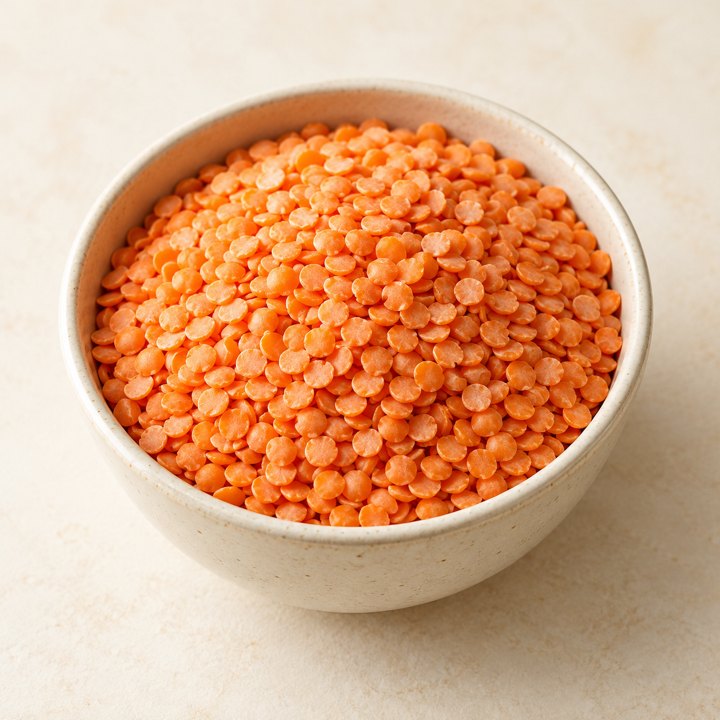
Split red masoor is hulled lentil with an orange-to-red dry colour that becomes yellowish or muted after cooking. The change is normal and does not indicate a lost dye.
What it is and what to buy
Split red masoor is hulled lentil with an orange-to-red dry colour that becomes yellowish or muted after cooking. The change is normal and does not indicate a lost dye. It breaks down rapidly, making it a convenient choice for smooth everyday dal, daal chawal and mixed pulse pots. It should not be confused with toor or chana dal merely because all three become yellow-toned when cooked.
Lentils are seeds of Lens culinaris, a pulse known as masoor in Pakistan. Whole brown masoor retains a brownish coat, whereas split red masoor is usually hulled and shows its orange-red interior. These are closely related culinary forms, not proof that one pulse has been dyed. The split form breaks down into a smooth dal quickly; the skin-on form is more useful when a cook wants visible grains and a little bite.
Origins and food history
Lentil is one of the early crops of Southwest Asian farming and is documented in the agricultural traditions of the Fertile Crescent. It spread widely through the Mediterranean and South Asia. There is no documented individual discoverer. Archaeological evidence for a crop should not be presented as a precise invention date for today’s Pakistani masoor dal: seasoning styles, milling methods and recipes developed through later regional food cultures.
Reference: Kew: lentil history.
Growing regions, trade and Pakistan
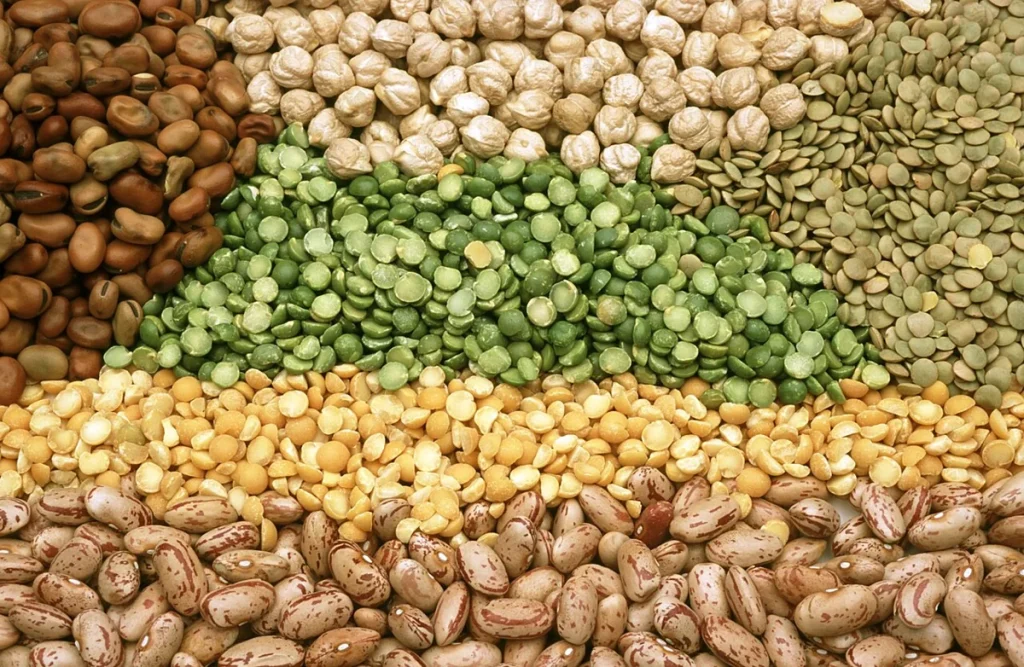
Lentils are cultivated in Canada, India, Australia, Türkiye, Nepal and Pakistan, among other origins. Pakistani agriculture recognises lentil as an established pulse, while international supplies also reach the retail market. Canada and Australia are familiar exporting origins. Trade grades distinguish seed size, colour and whole versus split form. Compare like with like: a large whole green lentil and a small orange split lentil may both be lentils but need different cooking methods and produce different dishes.
Reference: Punjab Agriculture: pulse crops in Pakistan.
How to prepare and cook it
Sort and rinse before simmering; prolonged soaking is generally unnecessary for fresh split red lentils. Use a sufficiently large pot because the early simmer can foam. Stir more often as the lentils soften and thicken, and add water to match the intended spoonable consistency. In a mixed dal, begin the slower pulses first or pre-soak them rather than overcooking masoor while waiting for chana dal. Add a finishing tempering and taste after the final reduction, since water loss concentrates salt and spice.
Put this form of the ingredient to work in Daal Chawal; Chicken Haleem; Haleem. The method in each recipe determines whether it should be raw, soaked, ground, freshly cooked or chilled before it enters the dish.
Nutrition, benefits and their limits
Lentils contribute protein, fibre, folate, iron and carbohydrate. Hulled split dal and whole lentils do not have identical fibre profiles, and cooked values depend heavily on water absorbed. The iron is non-haem, so the accompanying meal affects absorption; a squeeze of lemon or a vegetable rich in vitamin C can complement a lentil meal. Lentils can replace part of a meat portion or enrich a grain meal, but they do not independently treat anaemia or diabetes.
Allergies, disadvantages and safe handling
Allergic reactions are possible, and lentils can cause gas or bloating in sensitive eaters. Introduce larger servings gradually and cook until the centre is tender. Naturally gluten-free lentils can pick up cereal grains during farming and packing, so people who must avoid gluten should choose suitable labelled products and inspect them carefully. Do not rely on a quick simmer if the seeds remain hard. Added salt, ghee and portion size influence the nutritional result of the finished dal.
Practical substitutions
Yellow moong is a useful alternative for a quick smooth dal, though its flavour and viscosity differ. Whole brown masoor takes longer and retains its skin. Split peas and chana dal generally need more time and should not be dropped into the same short cooking schedule.
Keeping it fresh
Keep dried lentils tightly sealed, dry and away from insect activity. Before cooking, spread them briefly on a plate to remove stones or stray grain, then rinse. Split red lentils usually need no prolonged soak, whereas an old batch of whole lentils can take longer than expected. Refrigerate cooked lentils promptly or freeze them in small portions. Store a thick dal with enough moisture to reheat gently, and use clean utensils to avoid repeatedly contaminating a larger container.
For related ingredients and shopping terms, see the Pakistani ingredients and spices pantry guide.
Working with other forms of this ingredient
Whole masoor
Whole masoor, or sabut masoor, is lentil with the skin intact. A brown outer coat can conceal an orange-red interior, so it can be closely related to the split red masoor sold beside it. Its earthy flavour, visible skin and better shape retention suit a hearty dal. It is not whole black urad, which belongs to a different genus and develops a different creamy texture.
Lentils are seeds of Lens culinaris, a pulse known as masoor in Pakistan. Whole brown masoor retains a brownish coat, whereas split red masoor is usually hulled and shows its orange-red interior. These are closely related culinary forms, not proof that one pulse has been dyed. The split form breaks down into a smooth dal quickly; the skin-on form is more useful when a cook wants visible grains and a little bite.
Sort and rinse the lentils, then simmer until tender through the centre. A soak can shorten cooking for an older batch, but many fresh lentils cook well without a long overnight stage. Keep the simmer gentle if you want intact grains and stir cautiously. Add acidic ingredients after the lentils have softened when tenderness is an issue. A small amount mashed back into the pot can thicken the gravy while leaving most lentils whole, giving a different finish from completely pureeing the batch.
Put this form of the ingredient to work in Sabut Masoor. The method in each recipe determines whether it should be raw, soaked, ground, freshly cooked or chilled before it enters the dish.
Names and forms used in our recipes
View the recipe names covered by this guide
- dry red split masoor dal
- dry split hulled red masoor lentils
- dry split red masoor dal
- dry whole brown masoor lentils (skin intact)
- masoor dal (split red lentils)
- split red lentils
Frequently Asked Questions
Why did red lentils turn yellow?
Hulled red lentils commonly lose their bright raw colour during cooking. This is a normal change.
Do split red lentils need an overnight soak?
Usually not. Rinsing and adequate simmering are normally sufficient, unless a particular recipe specifies soaking for grinding or another purpose.
Keep Exploring
Related places and stories on DailyLife.pk

How we know this
- Type Explainer
- Sources 6 (3 official/academic)
- Reviewed November 2026
- Disputed points None
6 sources
Photo credits (1)
- CSIRO ScienceImage 3224 Pulses and legumes.jpg, division, CSIRO, CC BY 3.0, via Wikimedia Commons
