
Ingredients & Spices · The complete guide
Baking powder
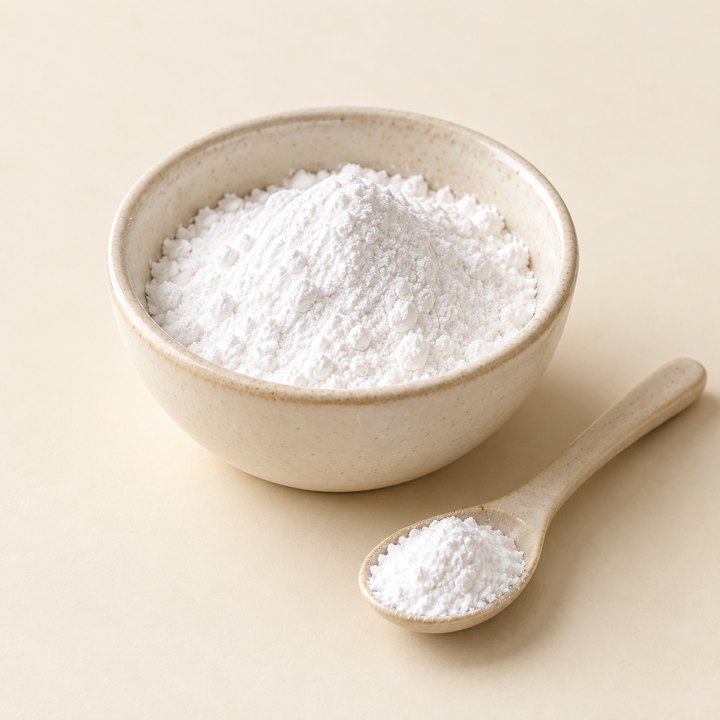
Baking powder is a measured mixture of bicarbonate and food acids, usually with starch to keep it dry. It is commonly sold by its English name in Pakistan.
What it is and local names
Baking powder is a measured mixture of bicarbonate and food acids, usually with starch to keep it dry. It is commonly sold by its English name in Pakistan. It is different from baking soda, even if both packets show a cake.
Origins and documented history
Chemical leavening developed during the nineteenth century. The American Chemical Society documents Eben Horsford’s phosphate-based powder and the Rumford works as important developments. That documented contribution does not mean he discovered every earlier raising mixture.
Reference: American Chemical Society: Development of Baking Powder.
Types and manufacture
Single-acting powder releases most gas after wetting; double-acting formulations release gas at mixing and again during heating. Manufacturers blend specified bicarbonate and acid salts with a dry carrier. Aluminium-free, gluten-free and low-sodium claims require an actual label check.
Production, trade and Pakistan
It is manufactured and blended in many countries rather than grown as a crop. Pakistani grocery and baking shops stock locally packed and imported products. The country named on a label may identify the packer rather than the source of each mineral ingredient.
How to use it
It aerates cakes, pancakes and some milk-powder gulab jamun mixtures. Mix evenly into dry ingredients, use the stated dose and cook without unnecessary delay. Too much can make large unstable bubbles and leave an unpleasant aftertaste.
Nutrition, benefits and limits
Its value is functional rather than nutritional. It can contribute sodium, and the amount depends on its formulation. A small measured dose should not be described as a meaningful mineral supplement.
Drawbacks, allergens and precautions
Damp powder loses reliability. Starch carriers vary, so check for a suitable gluten-free statement when needed. Use food-grade powder and never substitute a cleaning product.
Substitutions and storage
Baking soda needs an appropriate acid and a different dose; it is not a spoon-for-spoon replacement. A tested homemade combination of bicarbonate, cream of tartar and starch can work when its proportions match the recipe.
Keep tightly sealed in a cool dry cupboard. A little powder should bubble actively in warm water; that check helps detect inactivity but does not correct a poorly balanced recipe.
Measuring for reliable results
Measure a chemical or biological raising ingredient carefully because a small quantity controls a large change in structure. A heaped spoon can give excessive gas, an unpleasant flavour or a dough that rises before its structure can support it. Stir dry ingredients thoroughly when a recipe calls for an even distribution. Keep the packet away from steam while measuring. A warm, damp kitchen can damage an open raising ingredient even before the printed date, so the condition of the pack and the result of an appropriate activity test both matter.
Reading the recipe as a system
Flour quantity, acidity, liquid, mixing and temperature all affect the result of a raising ingredient. A cake batter needs to trap gas until heat sets its structure; bread dough needs enough time and elasticity to expand. Changing the raising agent while leaving every other ingredient untouched can produce a different crumb. When adapting a recipe, make a small trial and note the weight used, resting time and oven conditions. More raising ingredient does not fix a batter that is too thin or a dough that has been poorly developed.
Storage and sensible expectations
Use a clean dry spoon and close the container immediately. Keep small quantities in active use and leave the reserve tightly sealed under the conditions on its label. Raising agents are functional ingredients used in small amounts, not a practical source of vitamins or minerals. Products meant for cleaning, laboratory work or supplements should not be assumed suitable for cooking merely because a familiar chemical or microorganism appears in the name. Buy food-grade stock, read added ingredients and check certification if the formulation matters to your diet.
Diagnosing a disappointing batch
A dense result does not prove that a raising ingredient was inactive. Check the oven temperature, liquid measurement, mixing and the time between mixing and cooking. If the ingredient is old, perform the test appropriate to it: a chemical powder and a living yeast require different checks. Keep notes on the packet used and the conditions. Avoid adding more to an already mixed batch without a recipe-specific reason, since that can create an uneven concentration and a bitter taste. Starting a small fresh batch often gives a clearer answer than repeatedly altering a failed mixture.
Recipes and the Pakistani pantry
Use this ingredient in Gulab Jamun. Explore related ingredients in the Pakistani ingredients and spices pantry.
Names and forms used in our recipes
View the recipe names covered by this guide
- baking powder
Frequently Asked Questions
What should I check when buying baking powder?
Match the specified single- or double-acting type, check the date and starch carrier, and reject a damp open pack.
What can replace baking powder in a recipe?
Baking soda needs an appropriate acid and a different dose; it is not a spoon-for-spoon replacement. A tested homemade combination of bicarbonate, cream of tartar and starch can work when its proportions match the recipe.
How should baking powder be stored?
Keep tightly sealed in a cool dry cupboard. A little powder should bubble actively in warm water; that check helps detect inactivity but does not correct a poorly balanced recipe.
Keep Exploring
Related places and stories on DailyLife.pk

How we know this
- Type Explainer
- Sources 4 (2 official/academic)
- Reviewed November 2026
- Disputed points None
