
Ingredients & Spices · The complete guide
Paprika
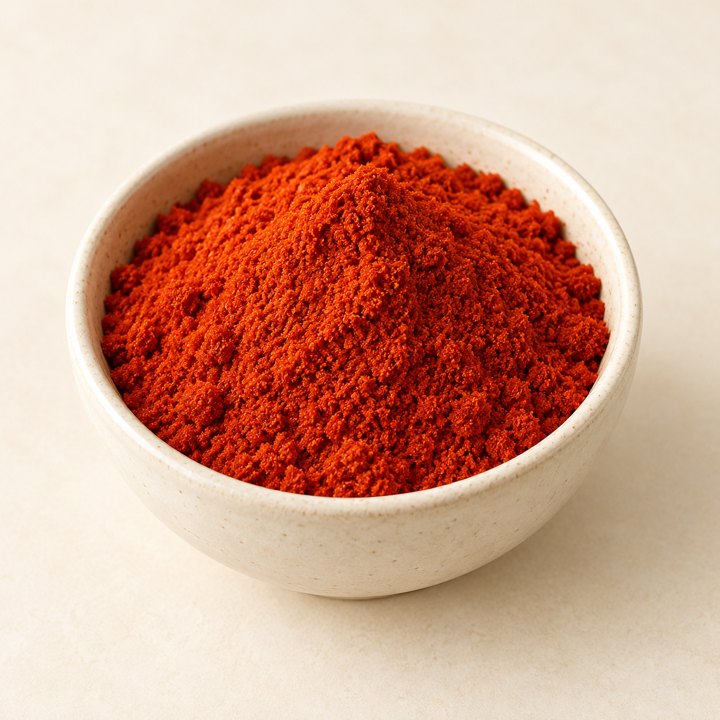
Paprika is ground dried Capsicum pepper selected for colour and flavour. Sweet, hot and smoked paprika are distinct styles.
What it is and names to know
Paprika is ground dried Capsicum pepper selected for colour and flavour. Sweet, hot and smoked paprika are distinct styles. Sweet paprika is not automatically the same as every mild red chilli powder sold in Pakistan.
Origins, producing regions and Pakistan context
The pepper crop originated in the Americas and was adapted into European and other food traditions after global exchange. Hungarian and Spanish paprika styles developed from that introduced crop, rather than from a native European pepper.
Spain, Hungary, China and other countries produce paprika peppers or powder. The country of final packing and whether the product is smoked should be checked separately. Whole and processed forms can cross borders separately: a spice may be imported, milled and repacked before sale in Pakistan. The growing countries listed here are not a claim about the direct supplier of a particular Pakistani packet.
Background: Royal Botanic Gardens, Kew: plant identity and range.

Types and buying advice
Choose sweet, hot or smoked paprika explicitly. A smoked product changes the flavour even when its colour resembles a mild unsmoked powder.
How to cook with it
Use for colour in roast chicken, boti, potato seasoning or a mild tomato sauce. Smoked paprika supplies a distinct smoke note to beans and grilled-food marinades; select it deliberately.
Add to warm fat briefly and then introduce liquid or other moist ingredients. Its fine particles burn readily. Heat level should be tested when switching between brands or styles.
Choose sweet, hot or smoked according to the actual flavour goal. A barbecue recipe may welcome smoke, while a delicate cream sauce may not. Blooming in warm fat helps distribute colour, but the fine powder can burn quickly, especially in a nearly empty pan. If a recipe needs mild redness, use a mild product rather than reducing a hot powder so far that its colour disappears. Heat and colour are separate controls in a well-balanced seasoning mixture.
Try the ingredient in Tikka Boti, Chicken Boti, Bbq Wings. Follow each recipes specified form and quantity, since whole pieces and fine powder season food differently.
For related pantry ingredients, see the Pakistani ingredients and spices guide.
For roasted potatoes, mix paprika into the oil and other seasonings before tossing so the fine powder coats evenly. A dry clump on the pan burns more readily than a dispersed coating.
Nutrition and realistic benefits
Ground spices contain plant compounds and varying amounts of fibre and minerals, but a normal recipe uses only a small quantity shared among several people. A high nutrient figure per 100 grams is therefore a poor description of what one serving supplies. The useful everyday benefit is flavour, colour or acidity in ordinary food. There is no need to increase the dose to pursue antioxidant claims, and a capsule or concentrated extract cannot be evaluated as if it were the powder in a curry.
Disadvantages and precautions
Paprika contributes carotenoid pigments, but a small spice portion is not a replacement for vegetables. A vivid red powder is not proof of purity, freshness or a health benefit.
Dry spices are not sterile foods. FDA food-safety guidance explains practical handling. Buying from a traceable food supplier is more dependable than trying to judge safety from appearance alone.
Substitutions and storage
Mild Kashmiri-style chilli powder can replace colour and some warmth. For sweet paprika, reduce hotter chilli rather than assuming equal heat; smoke requires a separate choice.
Store in a tightly closed container away from light, steam and cooking heat. Take the required amount with a dry spoon rather than shaking the open packet over a boiling pan. Ground particles expose more surface to air, so buying a modest pack is usually better than keeping a large stale supply. Check aroma as well as the printed date. Caking from dampness, visible mould, insects or an unusual musty smell calls for disposal, not extra roasting.
Names and forms used in our recipes
View the recipe names covered by this guide
- mild paprika
- paprika
- paprika powder
- smoked paprika
- sweet paprika
Frequently Asked Questions
Can sweet and smoked paprika be used interchangeably?
Choose sweet, hot or smoked according to the actual flavour goal. A barbecue recipe may welcome smoke, while a delicate cream sauce may not.
What can I use instead of paprika?
Mild Kashmiri-style chilli powder can replace colour and some warmth. For sweet paprika, reduce hotter chilli rather than assuming equal heat; smoke requires a separate choice.
What is the main caution with paprika?
Paprika contributes carotenoid pigments, but a small spice portion is not a replacement for vegetables. A vivid red powder is not proof of purity, freshness or a health benefit.
Keep Exploring
Related places and stories on DailyLife.pk

How we know this
- Type Explainer
- Sources 3 (1 official/academic)
- Reviewed November 2026
- Disputed points None
3 sources
Photo credits (1)
- Spice market @ Walled City @ Lahore (15449651456).jpg, Guilhem Vellut from Annecy, France, CC BY 2.0, via Wikimedia Commons
