
Ingredients & Spices · The complete guide
Fenugreek seeds (Methi dana)
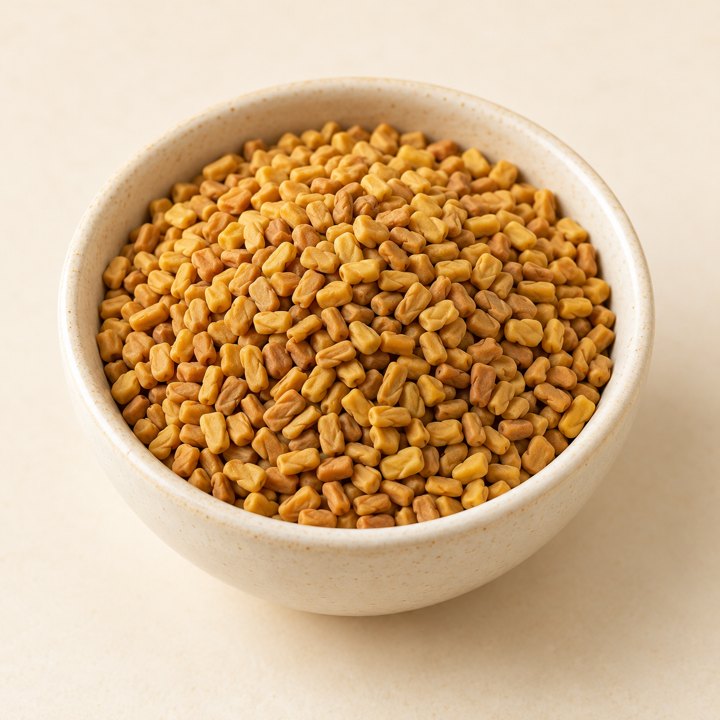
Fenugreek seeds, methi dana, are the hard yellow-brown seeds of Trigonella foenum-graecum. Their pleasantly bitter, maple-like aroma differs from the leafy flavour of fresh methi and dried kasuri methi.
What it is and names to know
Fenugreek seeds, methi dana, are the hard yellow-brown seeds of Trigonella foenum-graecum. Their pleasantly bitter, maple-like aroma differs from the leafy flavour of fresh methi and dried kasuri methi. These forms are not equal-volume substitutes.
Origins, producing regions and Pakistan context
The plant has longstanding cultivation and food use across West Asia and the Mediterranean, later widespread in South Asian cooking. Traditional medicinal uses do not identify an inventor or establish a clinical benefit.
India, Egypt, Morocco and other regional producers cultivate fenugreek. In Pakistan seeds are a familiar pickle and tadka ingredient, distinct from seasonal fresh methi bunches. Whole and processed forms can cross borders separately: a spice may be imported, milled and repacked before sale in Pakistan. The growing countries listed here are not a claim about the direct supplier of a particular Pakistani packet.
Background: Spices Board: crop and ingredient reference.

Types and buying advice
Choose hard clean methi dana and keep it separate from fresh or dried methi leaves. The three forms have different strengths and uses.
How to cook with it
Use a small amount in achar, vegetable tadka, selected fish curries or a home curry powder. Fry briefly and stop before the seeds become dark: burnt methi makes an entire dish bitter.
For unfamiliar recipes, begin with a quarter teaspoon in a family pan. Soaking softens the seed but does not make unlimited quantities pleasant or nutritionally necessary.
The key distinction is between pleasantly toasted and burned. Methi seeds can move quickly from fragrant to bitter in a small hot pan. Have the moist next ingredient ready and keep the amount restrained. If preparing an achar, follow a reliable complete recipe rather than improvising its preservation balance from a spice list. A seed substitute may change aroma, but changes to salt, acid or oil need a separate assessment of the finished preserving method.
Try the ingredient in Achari Chicken Karahi. Follow each recipes specified form and quantity, since whole pieces and fine powder season food differently.
For related pantry ingredients, see the Pakistani ingredients and spices guide.
For a simple vegetable tadka, use methi alongside a milder seed such as cumin rather than making it the entire seed mixture. Add the vegetables promptly once fragrant. In a dry blend, grind thoroughly so an occasional large hard fragment does not dominate one bite of the finished food.
Nutrition and realistic benefits
At the quantities usually used in a household dish, the main benefit is flavour rather than a large contribution of protein, vitamins or minerals. Composition tables often describe 100 grams, far more than an ordinary serving. A small seasoning quantity should not be advertised as a practical way to meet a daily mineral requirement. Aromatic food can help make simple lentils, vegetables and rice appealing, but the whole meals balance of ingredients, salt and fat still matters.
Disadvantages and precautions
Supplement doses may affect blood sugar and cause digestive symptoms or allergy. Pregnancy cautions for amounts above food use should not be converted into a recommendation to self-dose with seeds.
Dry spices are not sterile foods. FDA food-safety guidance explains practical handling. Buying from a traceable food supplier is more dependable than trying to judge safety from appearance alone.
Substitutions and storage
A little kasuri methi gives a different leafy aroma. Mustard seed can provide a pleasant tadka but cannot recreate methi; omission is often preferable to a large unsuitable replacement.
Keep in a clean, tightly closed food container in a cool dry cupboard, away from the cooker and direct sun. Whole pieces generally retain aroma better than the same spice left ground. Date the jar when opened and buy an amount you can use while fragrant. Crush a small sample periodically: fading aroma means weaker flavour, while dampness, insects or a musty smell are reasons to discard it. Never tip a wet spoon into a dry-spice jar.
Names and forms used in our recipes
View the recipe names covered by this guide
- fenugreek seeds
Frequently Asked Questions
How dark should methi seeds become in oil?
The key distinction is between pleasantly toasted and burned. Methi seeds can move quickly from fragrant to bitter in a small hot pan.
What can I use instead of fenugreek seeds?
A little kasuri methi gives a different leafy aroma. Mustard seed can provide a pleasant tadka but cannot recreate methi; omission is often preferable to a large unsuitable replacement.
What is the main caution with fenugreek seeds?
Supplement doses may affect blood sugar and cause digestive symptoms or allergy. Pregnancy cautions for amounts above food use should not be converted into a recommendation to self-dose with seeds.
Keep Exploring
Related places and stories on DailyLife.pk

How we know this
- Type Explainer
- Sources 5 (3 official/academic)
- Reviewed November 2026
- Disputed points None
5 sources
Photo credits (1)
- Spice market @ Walled City @ Lahore (15449651456).jpg, Guilhem Vellut from Annecy, France, CC BY 2.0, via Wikimedia Commons
