
Ingredients & Spices · The complete guide
Mint (Podina)
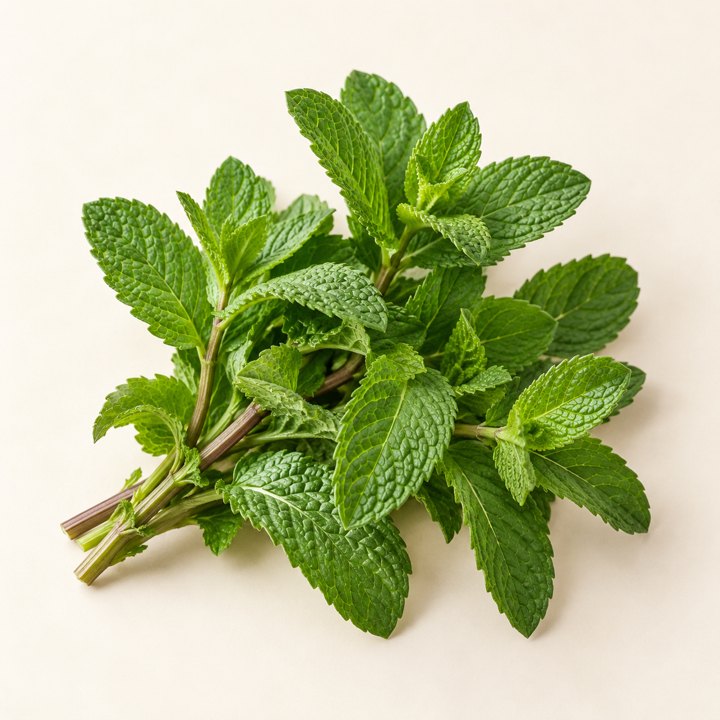
Mint, pudina, is a group of Mentha herbs rather than one uniform plant. Spearmint-like culinary mints are common for chutney, while peppermint can have a cooler, more medicinal character.
What it is and names to know
Mint, pudina, is a group of Mentha herbs rather than one uniform plant. Spearmint-like culinary mints are common for chutney, while peppermint can have a cooler, more medicinal character. Smell the bunch before choosing it for a dish.
Origins, producing regions and Pakistan context
Mint has a long history across Europe, the Mediterranean and Asia. The many cultivated hybrids make claims of one global origin misleading. Pakistani pudina use is part of a broad regional herb tradition.
Fresh mint is widely grown near its market, including in Pakistan. India and other countries also supply dried leaves and mint products, which should not be confused with food-grade fresh herb.
Background: Spices Board: crop and ingredient reference.

Types and buying advice
Smell the bunch: spearmint-like pudina and strongly mentholated peppermint do not give identical chutney. Choose clean tender tips for raw sauces.
How to cook with it
Blend with coriander for chutney, fold into raita, layer into biryani or scatter over a lentil soup. Use tender leaves for raw garnishes; woody stems are less pleasant in a smooth chutney.
Wash and drain well before blending. Add lemon, salt and chilli gradually, because a small chutney can become harsh quickly. Cooked mint gives a different, softer profile from a fresh garnish.
For biryani, use sound leaves between the rice layers rather than a thick mass of wet chopped herb. In chutney, thick stems can make the texture coarse, while tender tips blend more easily. Dried mint is particularly useful where visible crumbled herb suits a yoghurt sauce. If a chutney becomes too mint-heavy, a larger proportion of coriander can rebalance it. Adding sugar may soften harshness but also changes the sauces intended savoury character.
Try the ingredient in Chicken Biryani, Haleem, Chana Chaat. Follow each recipes specified form and quantity, since whole pieces and fine powder season food differently.
For related pantry ingredients, see the Pakistani ingredients and spices guide.
For raita, remove thick stems, chop the leaves finely and stir into yoghurt shortly before serving. A little dried mint produces a different but useful style, especially when rubbed finely so it does not remain in large flakes. Keep a heavily seasoned chutney separate from plain raita; adding a whole spoon of chutney also introduces its chilli, salt and acid, not simply mint flavour.
Nutrition and realistic benefits
Fresh leaves add aroma, variety and some micronutrients to food. The nutritional contribution depends on whether you eat a few garnish leaves or a substantial chopped-herb portion. They cannot replace the volume and diversity of vegetables in a meal. Their most useful everyday role is making ordinary dishes enjoyable with a fresh aromatic finish. Claims based on isolated oils, extracts or laboratory tests should not be transferred to a spoonful of chopped leaves or an everyday homemade tea.
Disadvantages and precautions
Mint leaves in food and concentrated peppermint oil or capsules are different products. Do not substitute oil for culinary pudina or describe a household chutney or infusion as treatment for a digestive illness.
Clean handling matters even for a small garnish. FDA food-safety guidance explains practical handling. Buying from a traceable food supplier is more dependable than trying to judge safety from appearance alone.
Substitutions and storage
Dried mint is suitable in yoghurt sauces and soups, using less initially. Basil or coriander can make an enjoyable sauce but does not recreate mint.
Choose sound leaves with a clear characteristic aroma, and discard rotten or slimy material. Rinse under fresh running water before use and dry gently; household soap and detergent are unsuitable for washing food. Keep most fresh herbs chilled with their moisture controlled so leaves do not sit wet. Tender basil is particularly sensitive to cold and bruising. Freezing can preserve a surplus for cooked dishes, though thawed leaves usually lose the texture needed for an attractive raw garnish.
Working with other forms of this ingredient
Dried mint
Mint, pudina, is a group of Mentha herbs rather than one uniform plant. Spearmint-like culinary mints are common for chutney, while peppermint can have a cooler, more medicinal character. Smell the bunch before choosing it for a dish.
Dried mint is pudina preserved by drying, usually as crumbled leaves. It works particularly well in yoghurt sauces, soup and the topping for mantu. Crumble just before adding; long cooking softens its aroma and cannot reproduce a freshly cut leaf.
Blend with coriander for chutney, fold into raita, layer into biryani or scatter over a lentil soup. Use tender leaves for raw garnishes; woody stems are less pleasant in a smooth chutney.
Wash and drain well before blending. Add lemon, salt and chilli gradually, because a small chutney can become harsh quickly. Cooked mint gives a different, softer profile from a fresh garnish.
For biryani, use sound leaves between the rice layers rather than a thick mass of wet chopped herb. In chutney, thick stems can make the texture coarse, while tender tips blend more easily. Dried mint is particularly useful where visible crumbled herb suits a yoghurt sauce. If a chutney becomes too mint-heavy, a larger proportion of coriander can rebalance it. Adding sugar may soften harshness but also changes the sauces intended savoury character.
Try the ingredient in Mantu. Follow each recipes specified form and quantity, since whole pieces and fine powder season food differently.
For related pantry ingredients, see the Pakistani ingredients and spices guide.
Names and forms used in our recipes
View the recipe names covered by this guide
- chopped fresh mint
- dried mint
- fresh mint
- fresh mint leaves
- mint
- mint leaves
Frequently Asked Questions
Should mint go into biryani wet or drained?
For biryani, use sound leaves between the rice layers rather than a thick mass of wet chopped herb. In chutney, thick stems can make the texture coarse, while tender tips blend more easily.
What can I use instead of mint?
Dried mint is suitable in yoghurt sauces and soups, using less initially. Basil or coriander can make an enjoyable sauce but does not recreate mint.
What is the main caution with mint?
Mint leaves in food and concentrated peppermint oil or capsules are different products. Do not substitute oil for culinary pudina or describe a household chutney or infusion as treatment for a digestive illness.
Keep Exploring
Related places and stories on DailyLife.pk

How we know this
- Type Explainer
- Sources 5 (3 official/academic)
- Reviewed November 2026
- Disputed points None
5 sources
Photo credits (1)
- I-11 Sabze Mande, Islamabad.jpg, Pakieditor, CC BY-SA 4.0, via Wikimedia Commons
