
Ingredients & Spices · The complete guide
Mayonnaise
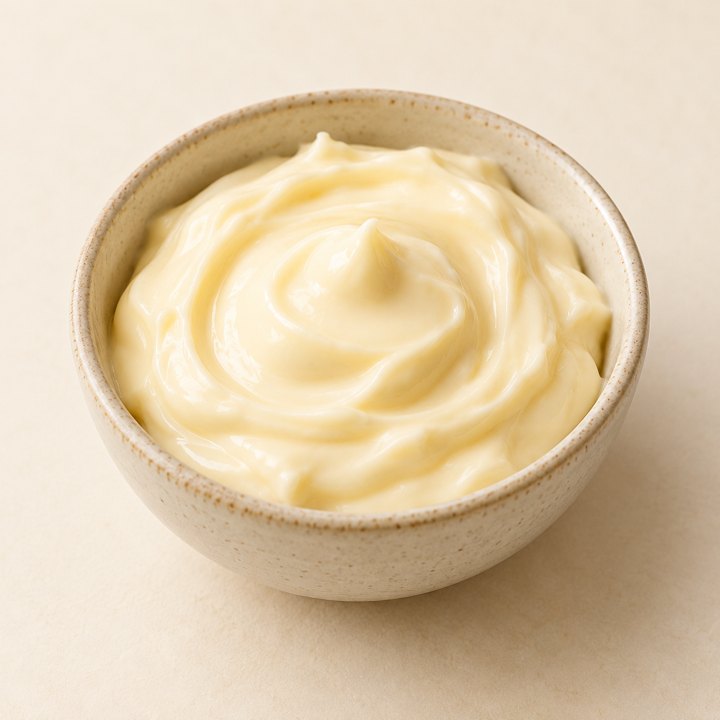
Mayonnaise is a thick oil-in-water emulsion, conventionally stabilised by egg yolk and acid. Pakistani retail mayo may also include starches or other emulsifiers.
What it is and names used in Pakistan
Mayonnaise is a thick oil-in-water emulsion, conventionally stabilised by egg yolk and acid. Pakistani retail mayo may also include starches or other emulsifiers.
Origin and historical context
The modern sauce is associated with European cooking; familiar stories about its name and one eighteenth-century invention remain contested.
Types, manufacture and buying
Oil is dispersed gradually into egg, acid and water. Commercial versions generally use controlled processes and pasteurised egg ingredients; egg-free and reduced-fat dressings use different structures.
Read the first few ingredients to understand what supplies most of the sauce’s body: vegetables, water, sugar, oil, fermented paste or starch. Compare a regular serving rather than only the front-label claims. A product described as mild, natural or premium can still be salty or sweet. Heat ratings and thickness are not standardised across all manufacturers, so opening a new brand is a good time to taste cautiously. Small packs can be useful when an unfamiliar sauce will only be used occasionally.
Reference: USDA AMS: Condiment commercial product descriptions.
Production, trade and the Pakistani pantry
Mayonnaise is manufactured in Pakistan and widely traded internationally; flavour and fat content vary considerably between brands.
Cooking uses and practical substitutions
Use in burgers, club sandwiches and creamy dipping sauces. Yogurt can replace part of the mayonnaise for a tangier, lighter texture, but it is thinner and changes storage considerations.
Mix cold sauces with clean utensils and keep them away from raw meat preparation. If using mayonnaise in a hot preparation, follow a tested recipe because high heat or unsuitable additions can break the emulsion. For a dressing, loosen gradually with a measured acid or other liquid so it does not become watery. When blending with yogurt, consider both ingredients’ storage needs. Food safety of a chicken or egg sandwich depends chiefly on the whole perishable filling, not on whether commercial mayonnaise itself was acidified at manufacture.
Nutrition, benefits and limitations
Regular mayonnaise is largely oil, so it is energy-dense even though the usual portion is small. Its fatty-acid balance depends on the oil used; a low-fat label describes a different formulation that may rely on starches and other thickeners. Egg supplies the conventional emulsifier but not a large protein serving in a spoonful. Portion size can make a significant difference in a sandwich already containing fried food or cheese. Egg-free versions can suit an egg-avoidant diet only when ingredients and cross-contact information support that choice.
Egg is a principal allergen. Homemade raw-egg mayonnaise needs careful egg safety, while commercial products must follow their own label instructions.
Practical notes and common mistakes
Commercial mayonnaise does not remove the refrigeration requirement of a chicken, egg or tuna filling. For a sandwich spread, mix only the portion needed and keep the remainder chilled. Add watery ingredients such as cucumber only after draining them, since they can thin the emulsion. If a reduced-fat mayonnaise tastes different, account for its acid, starch and sweetness rather than adding more automatically. Homemade mayonnaise made with raw egg has different safety considerations from a commercially controlled product; pasteurised egg is the safer choice for an uncooked preparation.
Storage and safe handling
Keep unopened products as the manufacturer directs and check that the seal is intact. After opening, follow refrigeration and use-within instructions; shelf stability before opening does not guarantee the same storage afterwards. Write the opening date on an infrequently used jar. Keep the rim clean and avoid returning sauce that has touched raw meat to the container. Discard products with mould, an unexpectedly swollen pack or other clear deterioration. Homemade adaptations should be refrigerated and made in modest batches unless a properly tested preservation method is followed.
Recipes and related pantry reading
Use the form and quantity specified in each recipe, then adjust for the concentration, salt and moisture of the product you have bought. These dishes show where the ingredient fits in a complete preparation.
For related local names and pantry ingredients, see the Pakistani ingredients and spices guide.
Names and forms used in our recipes
View the recipe names covered by this guide
- commercial mayonnaise
- commercial pasteurized mayonnaise
- egg-free mayonnaise
- mayonnaise
Frequently Asked Questions
Does commercial mayonnaise make a chicken sandwich shelf-stable?
No. The entire perishable filling still needs safe temperature control.
Is egg-free mayonnaise automatically low-fat?
No. Removing egg does not necessarily reduce the amount of oil.
Keep Exploring
Related places and stories on DailyLife.pk

How we know this
- Type Explainer
- Sources 3 (3 official/academic)
- Reviewed November 2026
- Disputed points None
