
Ingredients & Spices · The complete guide
Cornflour
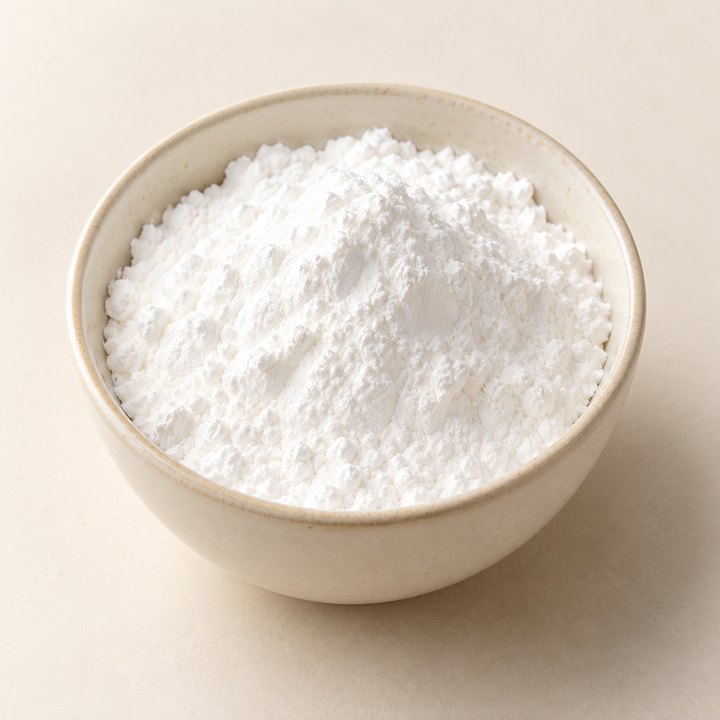
In these recipes, cornflour means cornstarch: the fine white starch separated from maize. This usage is common in Pakistan and Britain.
What it is and what to buy
In these recipes, cornflour means cornstarch: the fine white starch separated from maize. This usage is common in Pakistan and Britain. In other countries corn flour can mean finely milled whole maize, so check the ingredient and appearance. Cornstarch is not makai atta. It has little flavour and is useful for glossy thickening and crisp coatings, but cannot build the elastic dough required for naan, bread or wheat pastry.
Maize, makai or makki in Urdu and Punjabi usage, is Zea mays, a cereal grass. The whole kernel contains bran, germ and a starchy endosperm. Grinding the kernel produces maize meal or flour, while wet processing separates a much purer starch. This explains a common shopping error: the fine white product sold as cornflour in Pakistan usually means cornstarch, whereas makai ka atta means ground maize. They cannot be exchanged indiscriminately in roti or soup.
Origins and food history
Kew places maize domestication in Mexico roughly 9,000 years ago, from the wild grass teosinte. Indigenous American communities developed an exceptionally diverse crop long before it spread overseas. Maize reached South Asia through later global exchange and became established in local farming and cooking. No single discoverer is documented. Its importance in a traditional Punjabi winter meal reflects cultural adoption, not a South Asian botanical origin.
Reference: Kew: maize.
Growing regions, trade and Pakistan
The United States, China, Brazil, Argentina, India and Pakistan all produce maize. Trade includes whole feed and food grain, meal, starch, oil and many industrial products. Pakistan has domestic maize production and processors, but the stated origin of a retail starch or flour still needs checking if it matters to the buyer. Food-grade processing, particle size, moisture and whether the germ has been removed are more useful cooking specifications than a broad country reputation.
Reference: USDA: Pakistan production.
How to prepare and cook it
Mix cornstarch with a small amount of cool water into a smooth slurry, then stir it into hot soup or sauce. Adding dry powder directly to hot liquid encourages lumps. Bring the mixture to the recipe’s cooking temperature so the starch thickens, then avoid unnecessary prolonged vigorous boiling that may weaken the result. In a fried coating, cornstarch can help crispness, but moisture, oil temperature and the flour-to-starch ratio still matter. A large amount creates a hard, powdery or gummy layer rather than automatically improving crunch.
Put this form of the ingredient to work in Chicken Chilli Dry; Lahori Chargha; Chicken Corn Soup. The method in each recipe determines whether it should be raw, soaked, ground, freshly cooked or chilled before it enters the dish.
Nutrition, benefits and their limits
Cornstarch is mostly carbohydrate with very little fibre, fat or protein. A small slurry thickening a family pot adds a different amount from a large starch-heavy coating. It should not be described as wholegrain merely because it comes from maize. Pure cornstarch is naturally free of wheat gluten, but blends and shared manufacturing need attention if strict avoidance is required. The nutritional value of chicken-corn soup comes from the whole recipe, including vegetables, egg, chicken, salt and any added oil.
Allergies, disadvantages and safe handling
Maize allergy is possible even though maize is not among every jurisdiction’s headline allergen lists. People with coeliac disease should choose products suitable for a gluten-free diet. Ordinary flour and starch should be cooked as directed rather than tasted raw in batter. Whole maize can be affected by storage moulds and associated toxins; use reputable suppliers and reject damp or musty goods. Refined starch should not be promoted as a high-fibre wholegrain merely because it comes from a cereal.
Practical substitutions
Potato starch can thicken or crisp some foods, with different heat tolerance and texture. Wheat flour needs a different amount and longer cooking and introduces gluten. Rice flour gives a more opaque, grain-based coating. Maize flour is unsuitable when the aim is a smooth, neutral slurry.
Keeping it fresh
Protect maize products from dampness and insects in tightly sealed containers. Flour that retains the germ can become rancid faster than degermed meal or purified starch, so buy manageable quantities and consider refrigeration. Use a clean dry spoon and avoid opening the container directly above a steaming pot. Discard products with a stale oily smell, mould or persistent damp clumps. Label homemade mixtures clearly so a white starch is not mistaken for flour during a later cooking session.
For related ingredients and shopping terms, see the Pakistani ingredients and spices pantry guide.
Names and forms used in our recipes
View the recipe names covered by this guide
- cornflour
- cornflour (cornstarch)
- cornstarch
Frequently Asked Questions
Can I add cornflour straight to boiling soup?
Make a cool slurry first, then stir it into the hot liquid to reduce lumping.
Does cornflour mean makai atta?
Not in these recipes. It means white cornstarch; makai atta is ground maize flour.
Keep Exploring
Related places and stories on DailyLife.pk

How we know this
- Type Explainer
- Sources 5 (3 official/academic)
- Reviewed November 2026
- Disputed points None
5 sources
Photo credits (1)
- Bread Dough.jpg, Krish Dulal, CC BY-SA 4.0, via Wikimedia Commons
