
Ingredients & Spices · The complete guide
Ginger (Adrak)
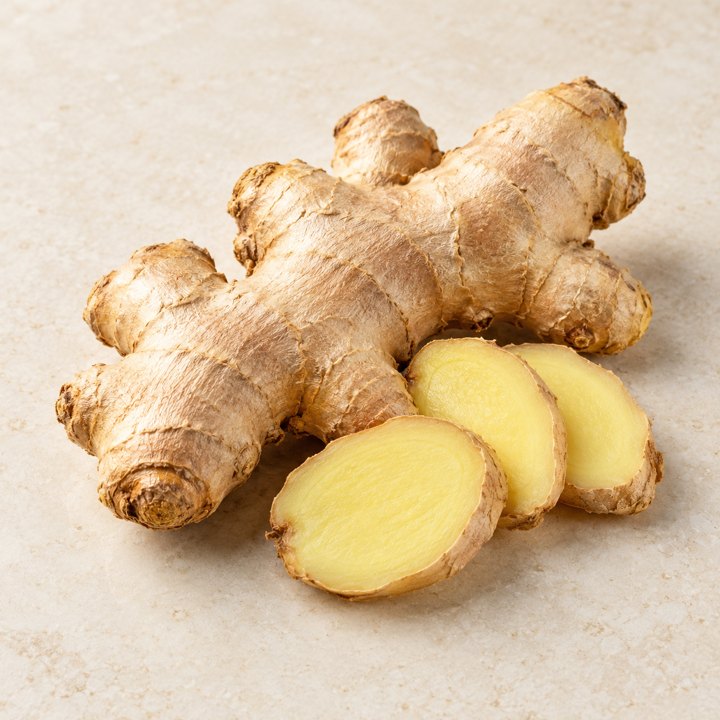
Ginger, adrak, is the rhizome or underground stem of Zingiber officinale. It has juicy fibres and a pungent fresh aroma.
What it is and names to know
Ginger, adrak, is the rhizome or underground stem of Zingiber officinale. It has juicy fibres and a pungent fresh aroma. It is not a true root, despite the common kitchen expression ginger root.
Origins, producing regions and Pakistan context
Ginger has a long Asian cultivation history and travelled through old spice routes. Its precise earliest domestication is not settled by the origin descriptions in commercial spice literature, and no discoverer should be named.
India, China, Nigeria and other tropical countries grow ginger. Pakistan receives fresh rhizomes through local and imported supply chains; a smooth skin and firm texture are useful quality clues.
Background: Spices Board: crop and ingredient reference.

Types and buying advice
Choose firm rhizomes with a fresh characteristic smell. Younger ginger is often less fibrous; a soft mouldy piece is unsuitable for making paste.
How to cook with it
Grate or pound into curry masala, cut matchsticks for karahi and nihari, slice for tea or mince into stir-fries. The final garnish gives a more immediate pungency than ginger cooked into a gravy.
Scrape thin skin when appropriate rather than cutting away a thick layer. Slice across the fibres before mincing. Cook raw paste until the harsh wet aroma softens without letting it burn.
Match the cut to the intended texture. A smooth masala needs finely grated or pounded ginger; a karahi garnish needs thin even matchsticks that are pleasant to bite. A thick slice used for an infusion can be removed later. If the rhizome is stringy, cut across the fibres first rather than leaving long strands in the sauce. More cooking softens the raw impression, but does not turn a coarse fibrous cut into a smooth paste automatically.
Try the ingredient in Gobhi Paratha, Bathua Saag, Aloo Beans. Follow each recipes specified form and quantity, since whole pieces and fine powder season food differently.
For related pantry ingredients, see the Pakistani ingredients and spices guide.
For a clean julienne garnish, cut peeled or scraped ginger into thin sheets, stack a few and slice into fine matchsticks. For a fine masala, grate or pound instead. A thick cut takes longer to soften and can remain fibrous even after the gravy is ready. Keep a freshly cut garnish separate until serving so its bright pungency is distinct from the more rounded ginger already cooked into the dish.
Nutrition and realistic benefits
The fresh ingredient adds aroma and can contribute small amounts of nutrients, depending on the quantity eaten. A few slices or a spoonful shared across a family pan are not the same dietary exposure as a large vegetable serving. Use it as part of a varied meal rather than increasing the amount to seek a therapeutic effect. Research involving extracts, capsules or isolated active compounds does not establish what the normal cooking portion will do.
Disadvantages and precautions
Ginger may aggravate heartburn in some people. Supplement studies, including studies of nausea, do not establish a treatment dose for a cup of adrak chai.
Clean handling matters even for a small garnish. FDA food-safety guidance explains practical handling. Buying from a traceable food supplier is more dependable than trying to judge safety from appearance alone.
Substitutions and storage
Plain ginger paste works in moist dishes. Dry ginger has a warmer, different flavour and should be introduced in a smaller amount rather than substituted mechanically.
Buy firm sound produce and reject obvious rot or mould. Wash under running water before cutting so the knife does not carry dirt into the flesh; do not use household detergent. Store the fresh ingredient appropriately chilled when it needs refrigeration, and freeze small prepared portions if a surplus would otherwise spoil. A frozen aromatic is often useful in a cooked dish even when it no longer has the texture of a fresh garnish. Keep it separate from raw meat juices.
Working with other forms of this ingredient
Ginger paste
Ginger, adrak, is the rhizome or underground stem of Zingiber officinale. It has juicy fibres and a pungent fresh aroma. It is not a true root, despite the common kitchen expression ginger root.
Ginger paste is crushed adrak, sometimes with added water, salt or preservative. It disperses readily through curry masala and marinades but does not provide the texture of a fresh julienne garnish. Freeze homemade portions rather than keeping a large jar indefinitely.
Grate or pound into curry masala, cut matchsticks for karahi and nihari, slice for tea or mince into stir-fries. The final garnish gives a more immediate pungency than ginger cooked into a gravy.
Scrape thin skin when appropriate rather than cutting away a thick layer. Slice across the fibres before mincing. Cook raw paste until the harsh wet aroma softens without letting it burn.
Match the cut to the intended texture. A smooth masala needs finely grated or pounded ginger; a karahi garnish needs thin even matchsticks that are pleasant to bite. A thick slice used for an infusion can be removed later. If the rhizome is stringy, cut across the fibres first rather than leaving long strands in the sauce. More cooking softens the raw impression, but does not turn a coarse fibrous cut into a smooth paste automatically.
Try the ingredient in Haleem. Follow each recipes specified form and quantity, since whole pieces and fine powder season food differently.
For related pantry ingredients, see the Pakistani ingredients and spices guide.
Names and forms used in our recipes
View the recipe names covered by this guide
- chopped ginger
- crushed fresh ginger
- finely chopped ginger
- finely grated ginger
- finely minced ginger
- fresh ginger
- fresh ginger julienne
- fresh ginger matchsticks
- fresh ginger, grated
- fresh ginger, minced
- fresh ginger, peeled, total
- fresh grated ginger
- fresh minced ginger
- freshly minced ginger
- ginger
- ginger julienne
- ginger matchsticks
- ginger paste
- ginger slices
- ginger, finely grated
- ginger, grated
- ginger, julienned
- ginger, minced
- ginger, sliced
- ginger, thick slices
- grated ginger
- julienned fresh ginger
- julienned ginger
- minced fresh ginger
- minced ginger
- sliced fresh ginger
- sliced ginger
Frequently Asked Questions
Which ginger cut belongs in karahi?
Match the cut to the intended texture. A smooth masala needs finely grated or pounded ginger; a karahi garnish needs thin even matchsticks that are pleasant to bite.
What can I use instead of ginger?
Plain ginger paste works in moist dishes. Dry ginger has a warmer, different flavour and should be introduced in a smaller amount rather than substituted mechanically.
What is the main caution with ginger?
Ginger may aggravate heartburn in some people. Supplement studies, including studies of nausea, do not establish a treatment dose for a cup of adrak chai.
Keep Exploring
Related places and stories on DailyLife.pk

How we know this
- Type Explainer
- Sources 4 (2 official/academic)
- Reviewed November 2026
- Disputed points None
4 sources
Photo credits (1)
- I-11 Sabze Mande, Islamabad.jpg, Pakieditor, CC BY-SA 4.0, via Wikimedia Commons
