
Ingredients & Spices · The complete guide
Wholewheat atta (Gandum ka atta)
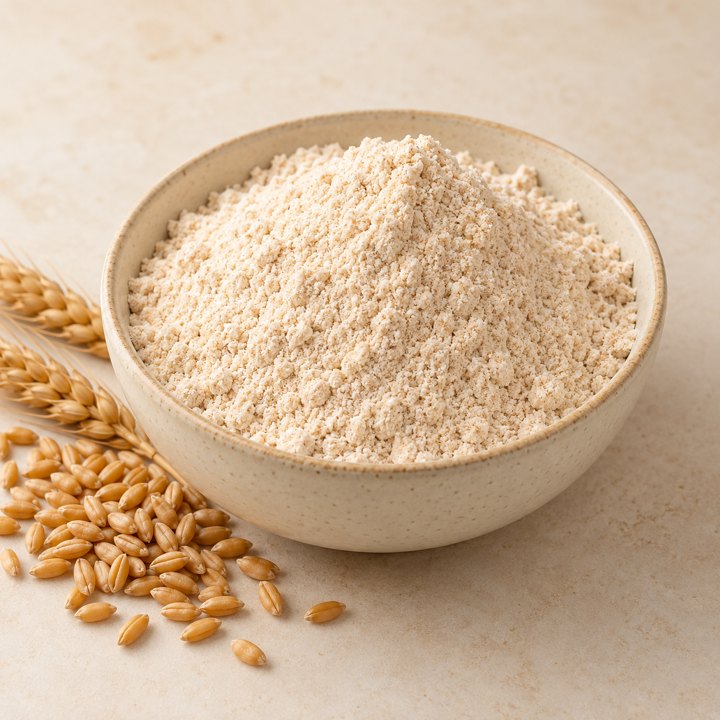
Wholewheat atta, gandum ka atta, is finely milled wheat flour used for chapati and many parathas. Traditional stone milling and modern milling can produce different particle sizes and levels of bran retention.
What it is and what to buy
Wholewheat atta, gandum ka atta, is finely milled wheat flour used for chapati and many parathas. Traditional stone milling and modern milling can produce different particle sizes and levels of bran retention. A packet labelled brown flour is not necessarily equivalent to wholewheat atta. Bran contributes flavour and water absorption, while the fineness of chapati atta helps a thin roti roll and cook without large coarse fragments tearing the surface.
Wheat, or gandum in Urdu, is a cereal grass whose edible kernels can be cooked whole, cracked, sprouted or milled. Common bread wheat is Triticum aestivum; durum wheat belongs to the Triticum turgidum group and is particularly associated with coarse semolina. The endosperm supplies starch and gluten-forming proteins, while bran and germ contribute fibre, oils and other nutrients. These milling fractions explain why two products made from wheat can behave very differently in the same recipe.
Origins and food history
Wheat belongs to the early agricultural traditions of Southwest Asia. Kew describes bread wheat as the result of hybridisation between a relative of durum wheat and wild goat-grass, with domestication roughly 10,000 years ago in the wider Caspian region. Farmers selected and exchanged these grains across many generations. That history supports an ancient crop origin, not a claim that a named ruler, physician or modern miller invented wheat or every food made from it.
Reference: Kew: bread wheat.
Growing regions, trade and Pakistan
Wheat is produced in Pakistan, China, India, Russia, the United States, Canada, Australia and many European countries. Pakistan has extensive domestic wheat farming and milling, although imports and government trade decisions vary with harvests and policy. Flour is a processed product, so local milling does not by itself prove local grain origin. For cooking, extraction rate, protein strength, particle size and freshness are often more useful than a general country label.
Reference: CBI: grain market context.
How to prepare and cook it
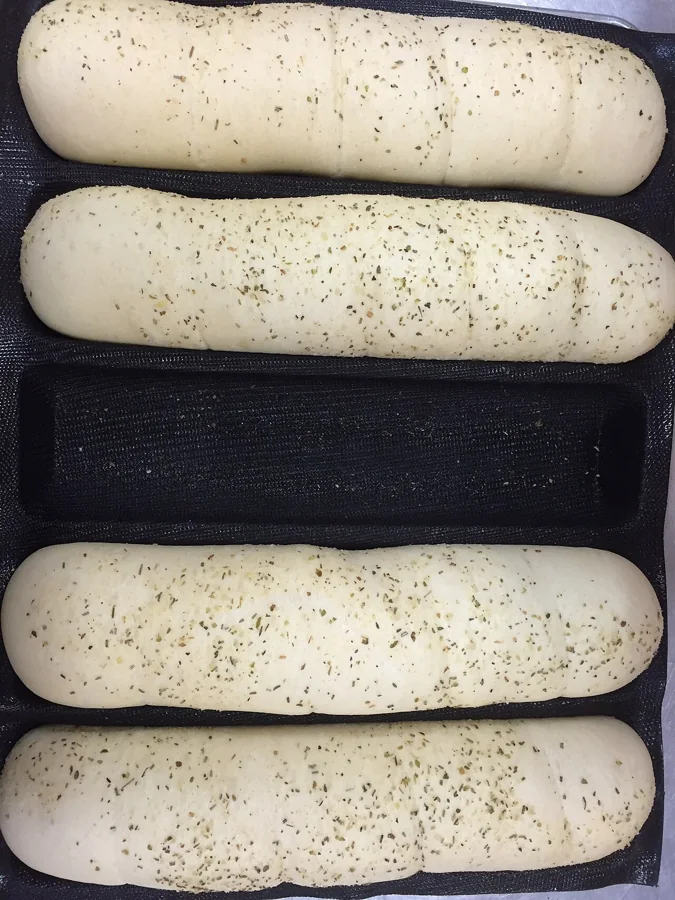
Add water gradually and knead into a soft, cohesive dough. Resting allows bran and starch to hydrate, so dough often becomes easier to roll without excessive dry flour. For chapati, an even thickness and properly heated tawa encourage the layers to separate and puff; too much dusting flour can leave a dry, scorched exterior. In paratha, fat between layers changes both flakiness and nutritional content. Atta can also thicken dishes such as nihari, but it must be dispersed and cooked thoroughly to avoid lumps or a raw taste.
Put this form of the ingredient to work in Chapati; Aloo Paratha; Sindhi Koki. The method in each recipe determines whether it should be raw, soaked, ground, freshly cooked or chilled before it enters the dish.
Nutrition, benefits and their limits
Wheat products supply carbohydrate and some protein. Retaining bran and germ generally raises fibre content compared with a heavily refined flour; enrichment can replace selected nutrients but does not recreate the original grain structure. Gluten gives wheat dough its stretch and ability to trap gas, which is a practical baking property rather than a nutritional requirement. Pair wheat staples with pulses, vegetables, eggs, meat or dairy according to the meal instead of expecting the cereal alone to provide every nutrient.
Allergies, disadvantages and safe handling
All forms of wheat discussed here contain gluten and are unsuitable for coeliac disease. Wheat allergy is a separate condition and also requires avoidance. Sprouting, soaking, roasting and ordinary fermentation do not make wheat reliably gluten-free. Most flour is a raw agricultural food and may carry harmful bacteria; do not taste uncooked dough or batter. Follow a recipe that fully cooks the flour, and clean bowls and worktops after handling it.
Practical substitutions
An appropriate wholewheat flour may work, although coarse Western-style wholemeal flour can need more resting and water. Plain maida gives a softer, less wholegrain result. Bajra or maize flour lacks wheat’s gluten network and cannot be substituted without changing the shaping method and recipe.
Keeping it fresh
Keep wheat products in a clean, airtight container away from a hot cooker. Wholegrain and sprouted flours contain more exposed grain oils and benefit from refrigerated or frozen storage in warm climates. Let a sealed chilled container approach room temperature before opening to limit condensation. Discard flour with a stale oily smell, visible mould, damp lumps or insect webbing. A purchase date and regular stock rotation are more dependable than assuming every bag has the same shelf life.
For related ingredients and shopping terms, see the Pakistani ingredients and spices pantry guide.
Names and forms used in our recipes
View the recipe names covered by this guide
- atta
- atta or plain flour
- chapati atta
- dry atta for rolling
- dry atta for separating pleats and rolling
- whole wheat atta
- whole-wheat atta
- whole-wheat atta, dry
- whole-wheat flour for slurry
- wholewheat flour
Frequently Asked Questions
Why does atta dough become firmer after resting?
Bran and other flour components continue absorbing water. Adjust with a small amount of water and knead again rather than adding large amounts at once.
Is every atta wholegrain?
No. Milling and labelling vary. Check the ingredients and product description if wholegrain content matters.
Keep Exploring
Related places and stories on DailyLife.pk

How we know this
- Type Explainer
- Sources 5 (3 official/academic)
- Reviewed November 2026
- Disputed points None
5 sources
Photo credits (1)
- Bread Dough.jpg, Krish Dulal, CC BY-SA 4.0, via Wikimedia Commons
