
Travel destination
Sharda and the Upper Neelum: Temple RuinsKel and Arang Kel
The upper reaches of the Neelum Valley, from the ruined Sharda temple at a river confluence to the meadows of Arang Kel and the last villages towards Taobat.
- Neelum District, Azad Jammu and Kashmir
- Sharda about 140 km from Muzaffarabad
- Best season May to September
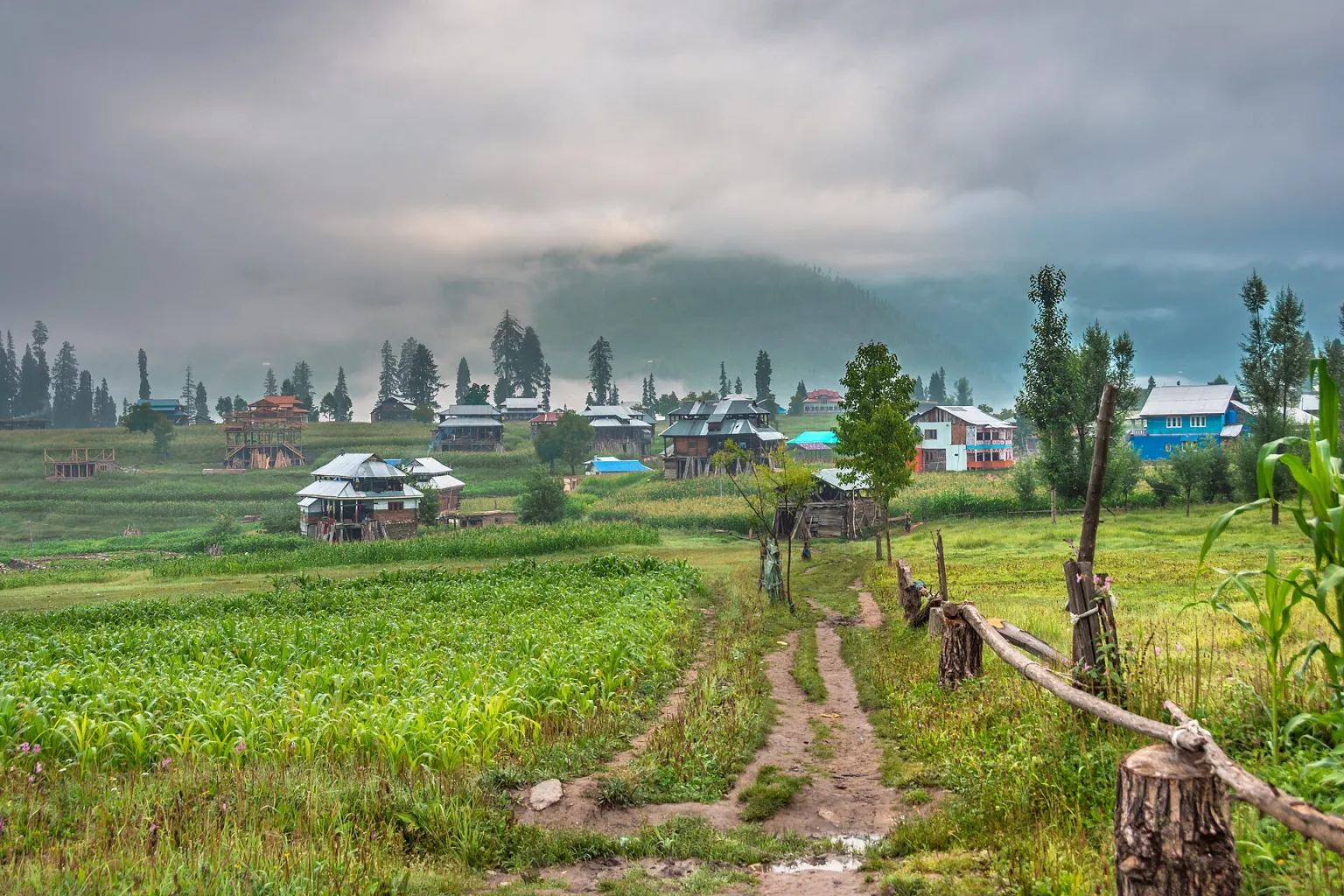
Arang Kel, Upper Neelum Valley, Azad Jammu and Kashmir
About Sharda and the Upper Neelum
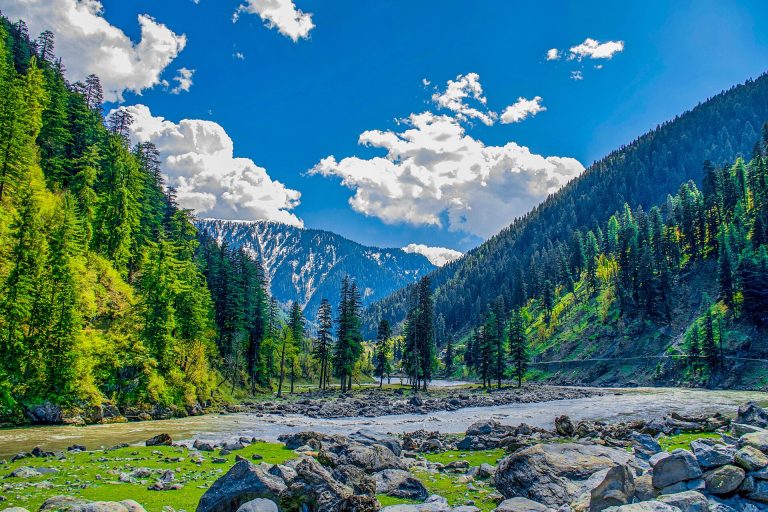
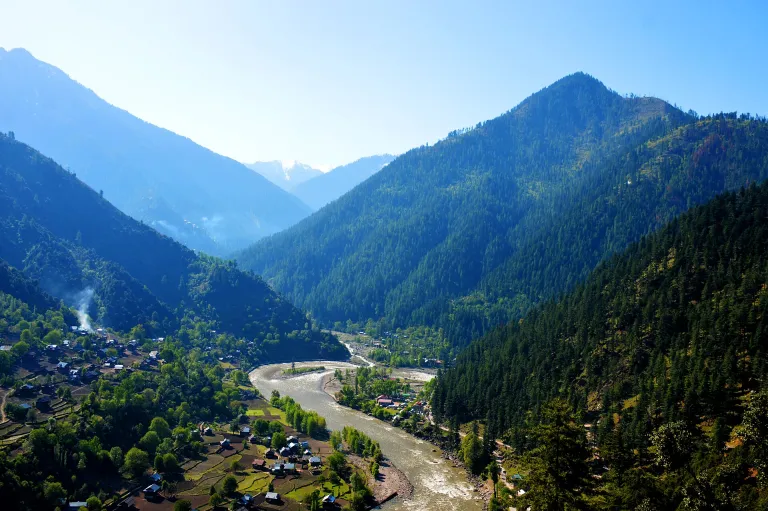
The Neelum Valley runs for roughly 150 km or more north-east from Muzaffarabad, following the river that rises in Indian-administered Kashmir as the Kishanganga. Its lower half, around Athmuqam and Keran, is the most visited. Beyond, the valley narrows and climbs: villages perch on steep slopes among walnut and deodar, the river runs green and fast, and the mountains close in. This upper valley, from Sharda to Kel, Arang Kel and Taobat, is the reward for those willing to spend a few more hours on the road.
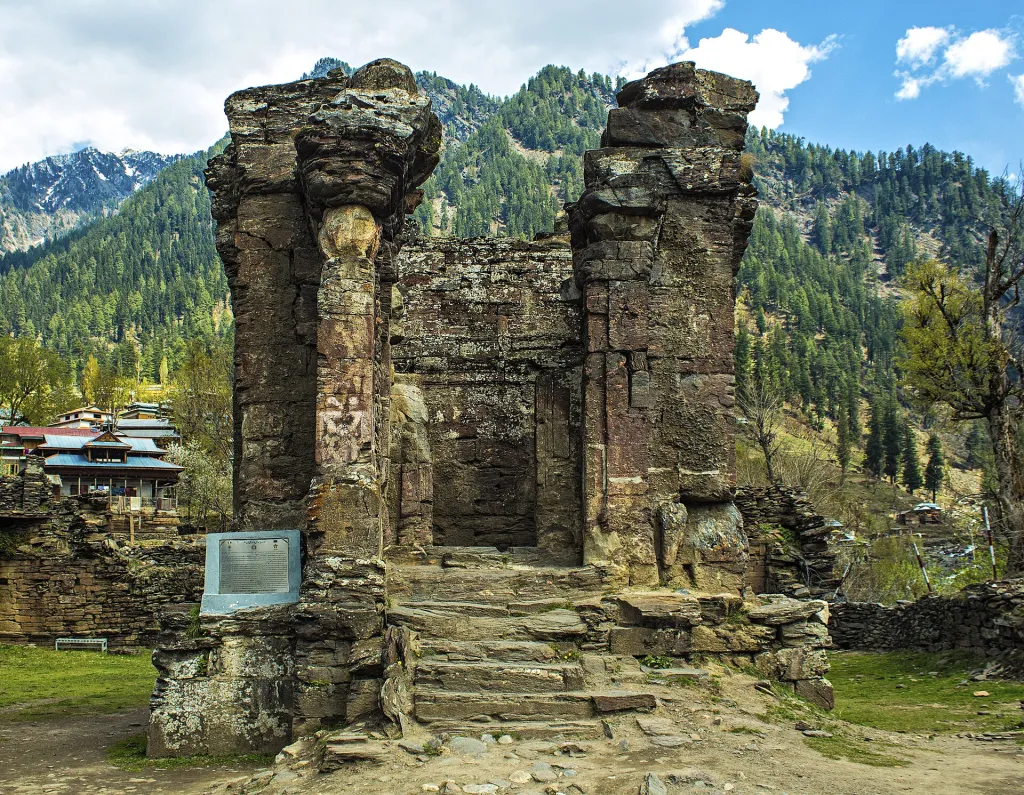
Sharda, about 140 km from Muzaffarabad, sits where the Madhumati stream joins the Neelum. On a terrace above the village stand the roofless sandstone walls of the Sharda temple, once a renowned seat of the goddess Sharada and associated with learning and the old Sharada script. The writer Salman Rashid, who has studied the site, dates it most probably to the 8th century under the Karkota dynasty of Kashmir. Reached by a stone stairway, its massive walls and empty interior are among the most haunting monuments in Kashmir.
Further upriver, Kel is a small town and road-head for the upper valley. A small cable car crosses the gorge to a steep path up to Arang Kel, a village of wooden houses scattered across a green plateau, now one of the valley's most photographed places. Kel is also a base for climbers heading to Sarawali peak (6,326 m) and its glacier. The road continues to Taobat, about 38 km beyond Kel, at the head of the tourist route, where the winter is long and heavy snow falls from about October to April.
Throughout this stretch the Line of Control is close, in places running along the river itself. Kashmir is a disputed territory, and access depends on the security situation and local rules.
Sharda's temple feels like the edge of a vanished world; Arang Kel, an hour upriver, feels like the edge of this one.
Which guide do you need? This guide covers Sharda, Kel and the upper valley. For the whole valley, including Keran and Athmuqam, see Neelum Valley.
Highlights
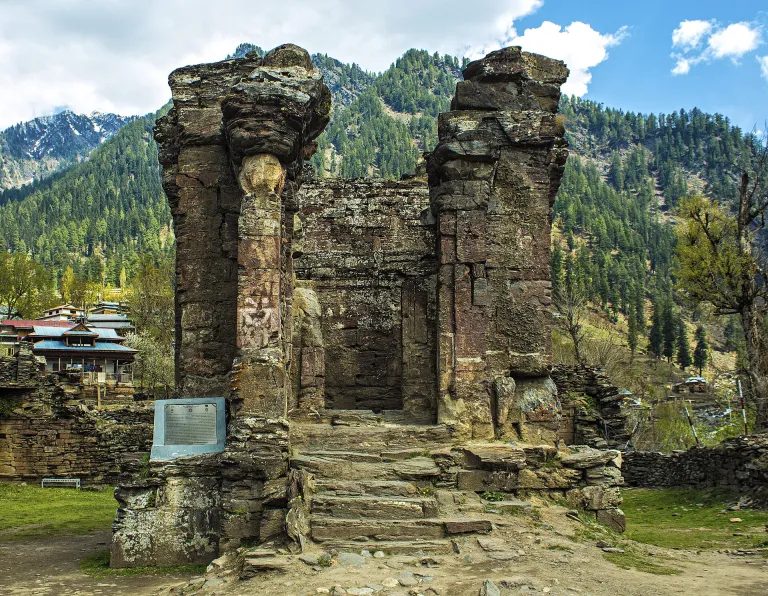 Sharda temple (Sharda Peeth)Massive roofless sandstone walls on a terrace above the confluence, reached by a stone stairway. Treat it as a sacred site.
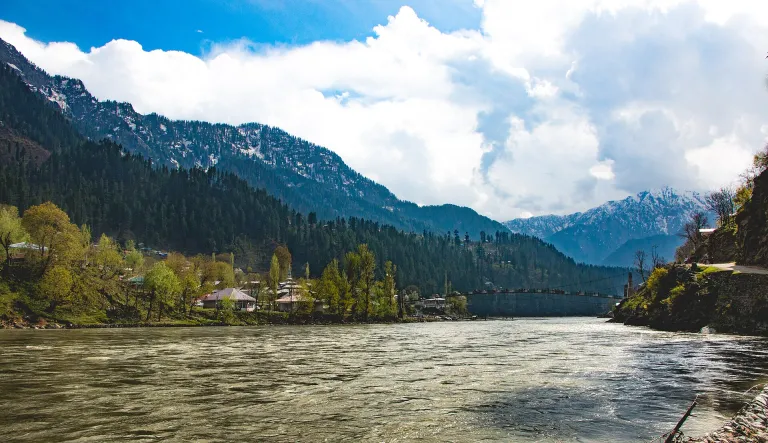 Sharda village and confluenceA riverside village with guesthouses, where the Madhumati stream meets the Neelum.
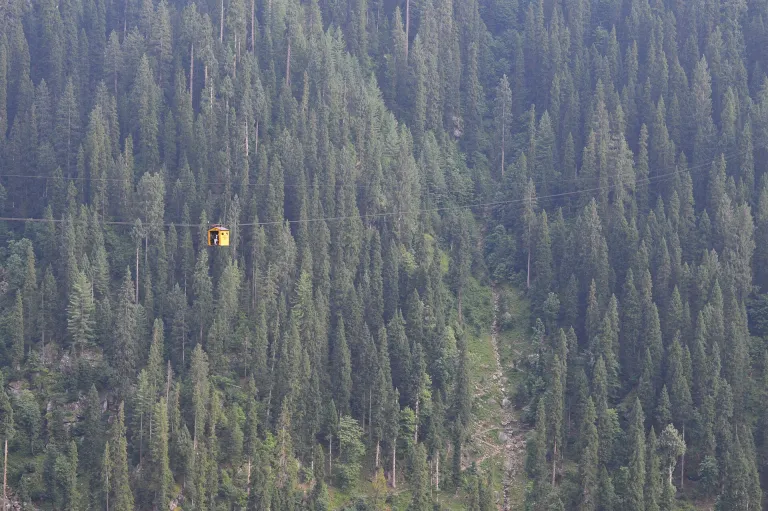 KelA small upper-valley town and the jumping-off point for Arang Kel and treks towards Sarawali.
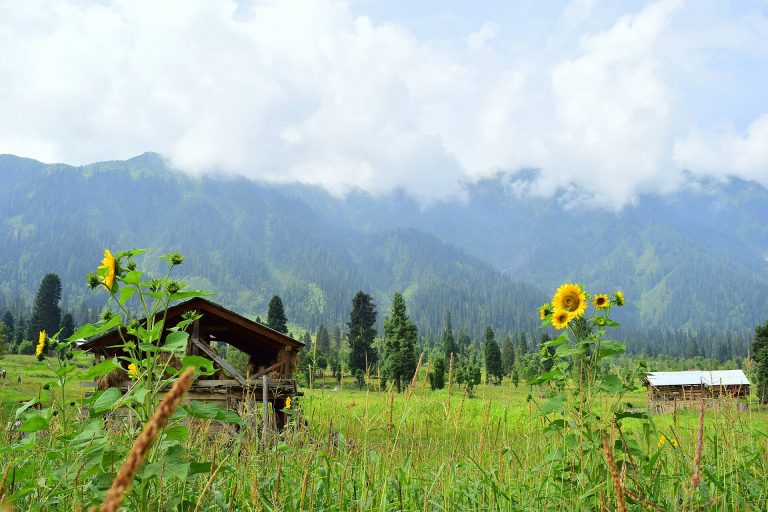 Arang KelCross the gorge by cable car and climb a steep path to a plateau of meadows, walnut trees and wooden houses.
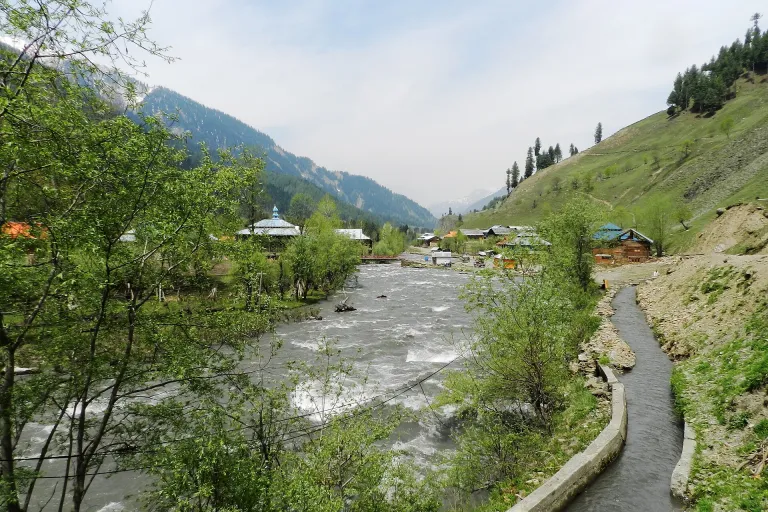 TaobatThe last major village on the tourist route, about 38 km beyond Kel, with wooden houses and river scenery.
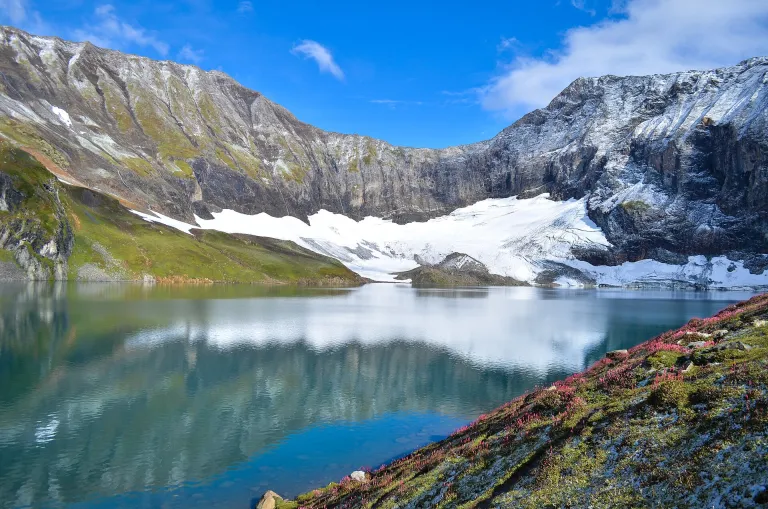 Ratti Gali LakeA glacial lake reached from Dowarian in the high summer season, usually by jeep and a final walk.
Plan Your Trip
Best Time to Visit
May to September
Late spring to early autumn is the main season. The upper valley around Taobat has a long, snowy winter, roughly October to April.
How to Reach
Up the Neelum road
From Muzaffarabad the valley road runs north through Athmuqam and Keran to Sharda (about 140 km) and Kel. Allow a full day to reach Sharda; jeeps are recommended beyond Kel. Landslides can close the road.
Where to Stay
Guesthouses in Sharda, Kel and Arang Kel
Small hotels and guesthouses cluster at Sharda and Kel, and Arang Kel has a handful of basic lodgings. Book ahead in peak summer.
Food
Simple and local
Rice, lentils, local greens, river fish and Kashmiri tea; carry snacks for long drives.
Culture
Conservative villages
Dress modestly, ask before photographing people, and respect local guidance on where you may go.
Advisories
Line of Control
The UK FCDO advises against all but essential travel to AJK and against all travel within 10 miles of the Line of Control, which this whole stretch lies close to. Foreigners may face restrictions; check current advisories and local guidance.
Suggested Visit Plan
- 1
Check access and rules
Check visitor information with the AJK Tourism and Archaeology Department and local authorities in Muzaffarabad, and read the UK FCDO and US State Department advice. Access near the LoC can change at short notice.
- 2
Day 1: Muzaffarabad to Keran or Sharda
Drive up the valley, stopping at viewpoints, and stay in Keran or push on to Sharda.
- 3
Day 2: Sharda
Climb to the temple ruins in the morning light and walk around the confluence.
- 4
Day 3: Kel and Arang Kel
Drive to Kel, take the cable car and walk up to Arang Kel; stay overnight on the plateau or in Kel.
- 5
Day 4: Taobat or return
In summer, hire a jeep to Taobat, or begin the long drive back to Muzaffarabad.
Visit Responsibly
- Do not climb on the Sharda temple walls or remove stones.
- Carry litter down the valley; waste disposal is limited.
- Stay in locally run guesthouses and hire local guides and drivers.
- Follow local guidance on where you may walk and what you may photograph near the LoC.
- Respect the privacy of families in Arang Kel and other villages.
Frequently Asked Questions
What is Sharda Peeth?
The ruined temple at Sharda, once a renowned seat of the goddess Sharada and associated with learning and the Sharada script. Salman Rashid dates the surviving structure most probably to the 8th century.
How far is Sharda from Muzaffarabad?
About 140 km by the Neelum Valley road. Allow a full day's drive.
How do you get to Arang Kel?
From Kel, a small cable car crosses the gorge, and a steep footpath climbs to the plateau.
When is the upper Neelum accessible?
Mainly from about May to September. Winters are long and snowy, especially around Taobat.
Is it safe to visit the upper Neelum?
Many Pakistani tourists visit in summer, but the area lies close to the Line of Control. The UK FCDO advises against travel within 10 miles of the LoC; check current advisories and local guidance.
Keep Exploring
Related places and stories on DailyLife.pk
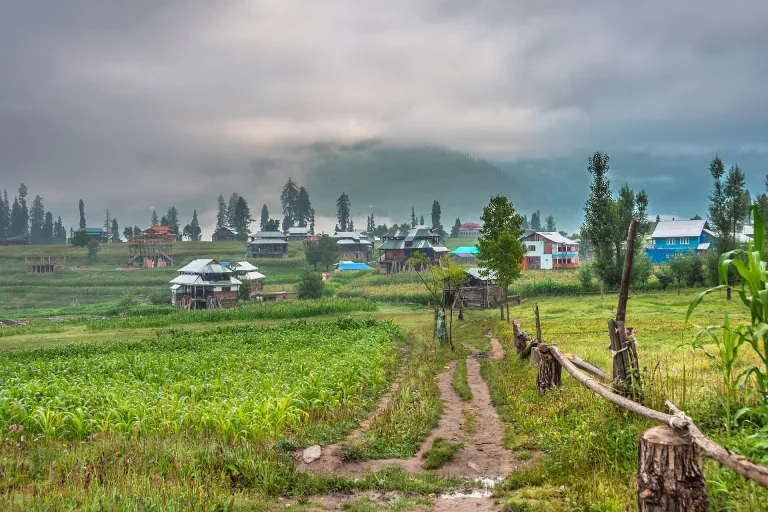 Neelum ValleyNeelum Valley travel guide: Keran, Sharda Peeth, Kel, Arang Kel, Ratti Gali Lake and Taobat
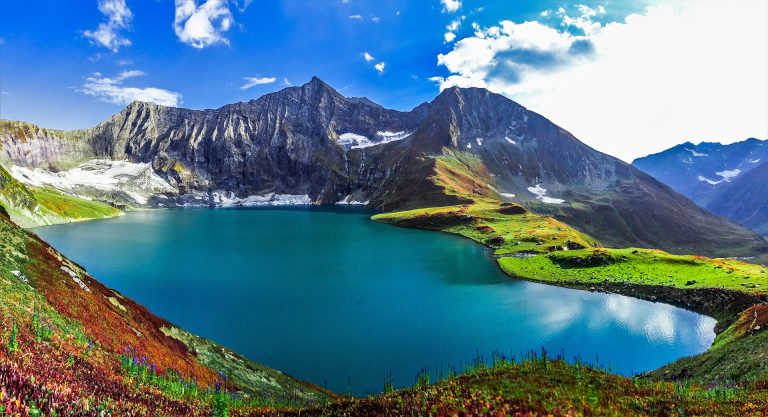 Ratti Gali LakeRatti Gali Lake guide: the 3,683 m glacial lake above Dowarian in Neelum, AJK, season
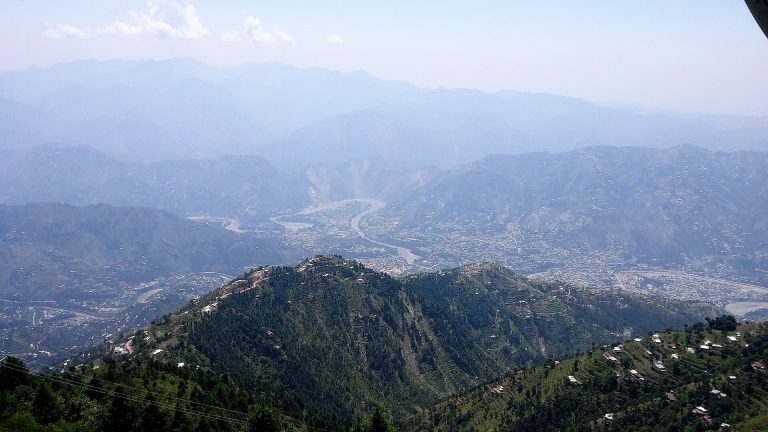 Pir ChinasiPir Chinasi near Muzaffarabad, AJK: altitude, the Bukhari shrine, road and trek, paragliding, best season, snow
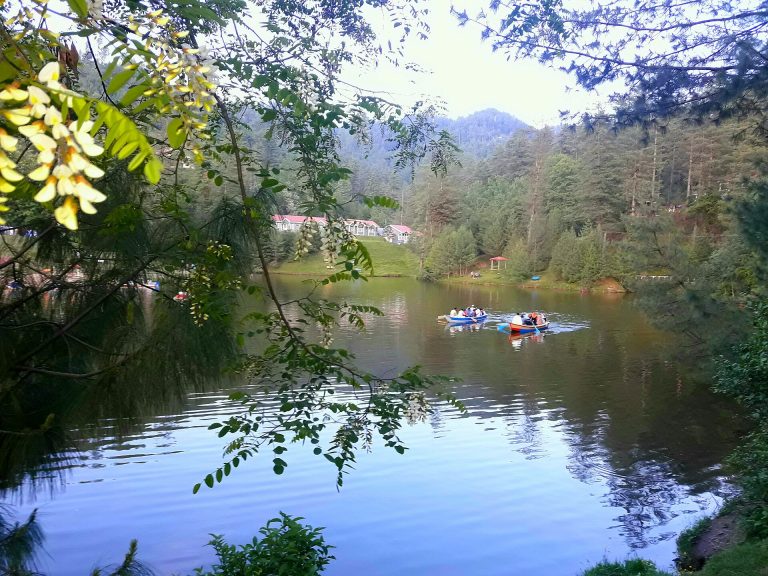 Banjosa LakeBanjosa Lake near Rawalakot, AJK: altitude, how to get there, rest houses, best season
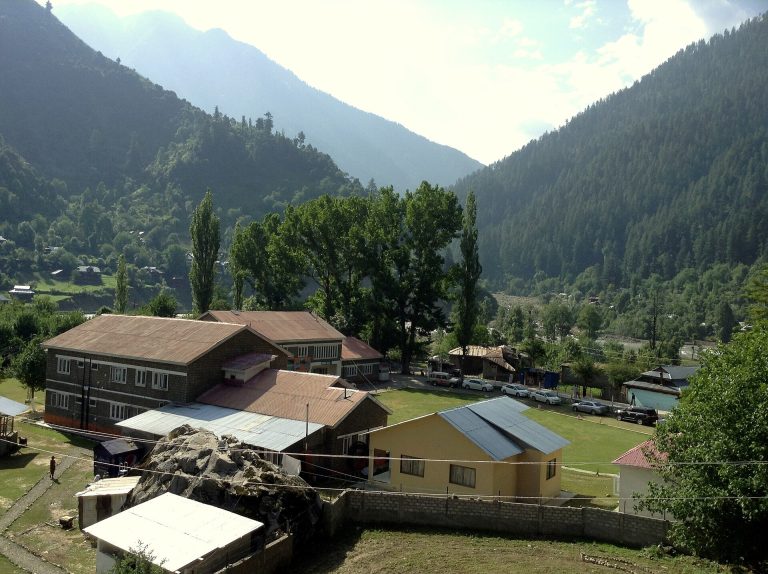 AthmuqamAthmuqam, Neelum District: the valley's headquarters town, with Keran, Kutton and Jagran
 MuzaffarabadMuzaffarabad city guide: the Red Fort, Domel confluence, Pir Chinasi, the 2005 earthquake
How we know this
- Type Travel guide
- Sources 7 (2 official/academic)
- Reviewed October 2026
- Disputed points None
Rules and fees change, confirm with the official links below before you act.
7 sources
- Sharda and Patlian Lake, Department of Archaeology, Government of Azad Jammu and Kashmir
- Heritage: Goddess of the mountains (Salman Rashid), Dawn
- Upper Taw Butt Valley, Dawn
- Neelum Valley: The sapphire trail, Herald (Dawn)
- Exploring Pakistan: Autumn in Aarang Kel, The News on Sunday
- Foreign travel advice: Pakistan, UK Foreign, Commonwealth & Development Office
- Pakistan Travel Advisory, US Department of State
Photo credits (10)
- Arang Kel Village - Neelum Valley.jpg, Faisalrafiqkhan, CC BY-SA 4.0, via Wikimedia Commons
- Sharda Peeth Azad Kashmir 2018.jpg, Muhammad Usman, CC BY-SA 4.0, via Wikimedia Commons
- Sharda, Neelum Valley, Azad Kashmir.jpg, Bilalarif23, CC BY-SA 4.0, via Wikimedia Commons
- Kel-Arang Kel cable car over Neelum River to Arang Kel.jpg, Aylaadil, CC BY-SA 4.0, via Wikimedia Commons
- Arang Kel, Neelum Valley, Azad Jammu & Kashmir, Pakistan.jpg, Nadeem Riaz, CC BY-SA 4.0, via Wikimedia Commons
- Taobat, village in Neelum Valley.jpg, Muhammad Azhar Khan, CC BY-SA 3.0, via Wikimedia Commons
- Ratti Gali Lake, Kashmir.jpg, Faisalir, CC BY-SA 4.0, via Wikimedia Commons
- Neelum Valley, Azad Jammu & Kashmir, Pakistan.jpg, Umar Jamshaid 03457611024, CC BY-SA 3.0, via Wikimedia Commons
- Keran Village of Neelum Valley AJK Northern Pakistan.jpg, Syed Ali Zaidi 1167, CC BY-SA 4.0, via Wikimedia Commons
- View of Muzaffarabad from Pir Chinasi.jpg, Abdul Moueed Haroon, CC BY-SA 4.0, via Wikimedia Commons
