
Travel destination
Shimshal: The Valley of Mountaineers
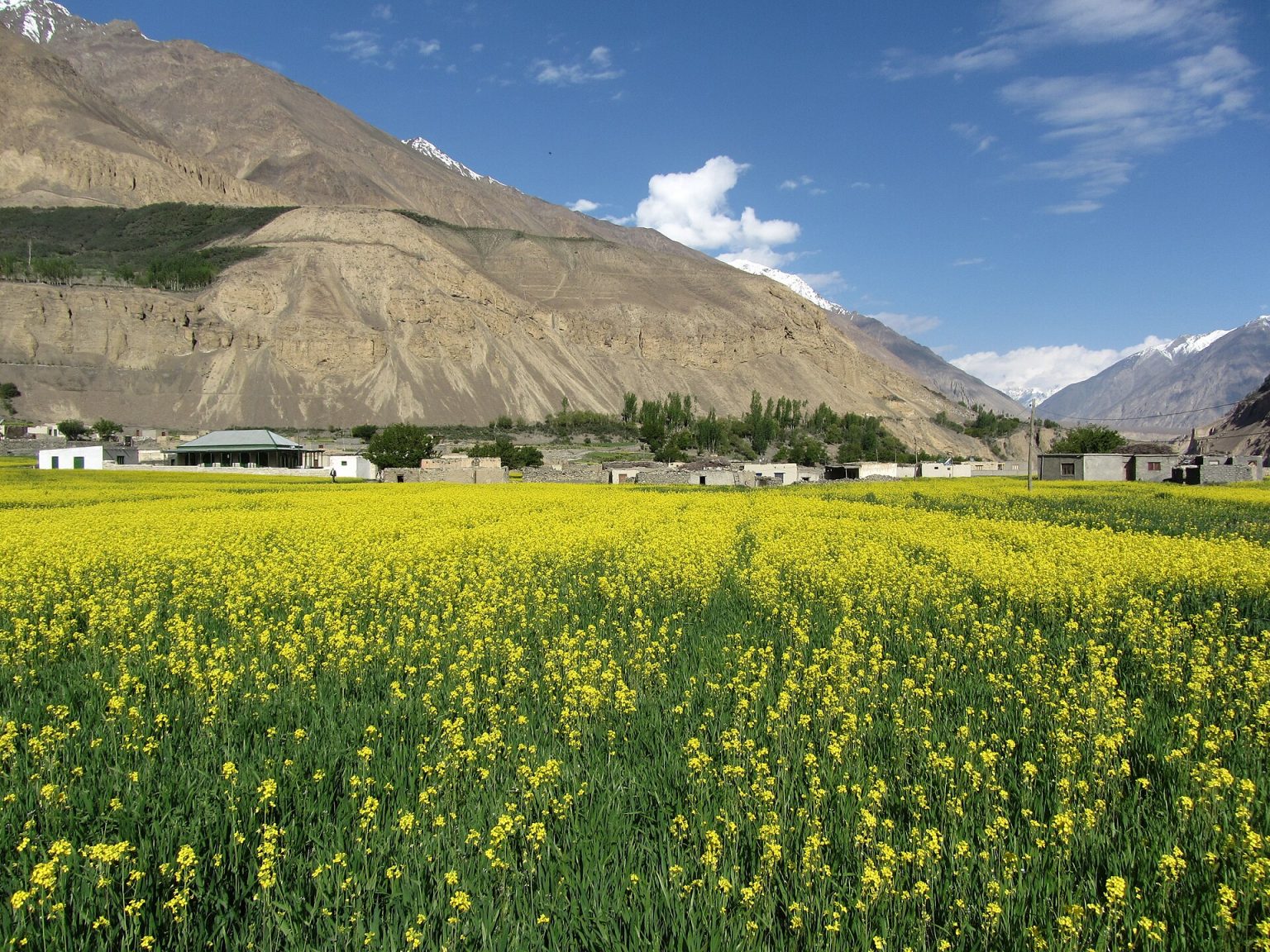
Hunza's highest village, at the end of a dramatic gorge road from Passu: a Wakhi community famed for its climbers, yak herds and high Pamir pastures.
- Gojal, Hunza District, Gilgit-Baltistan
- Village at about 3,100 m
- Best season June to September
Shimshal Valley, Gojal, Hunza District
About Shimshal
Shimshal is one of the most remote inhabited valleys in Pakistan. It branches east from the Karakoram Highway at Passu and climbs through a narrow, crumbling gorge before opening into a wide, glacier-fed basin at around 3,100 metres. The village is the highest permanent settlement in Hunza District, and until a road was completed in 2003 it could be reached only on foot, over days of rough trail along the Shimshal River.
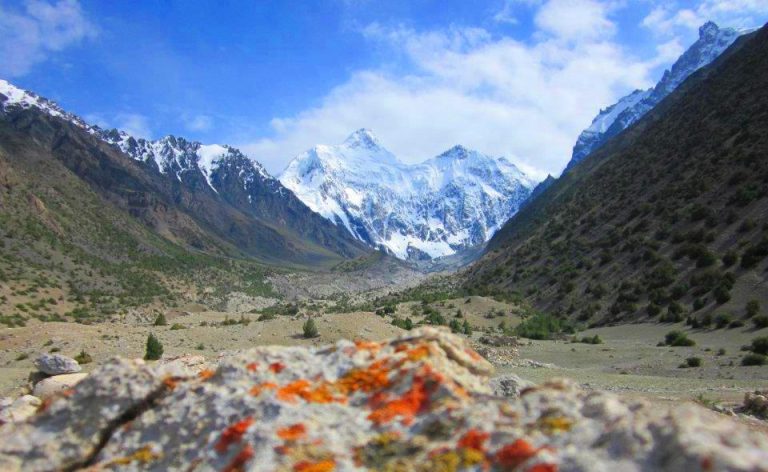
The people of Shimshal are Wakhi, and their way of life is shaped by altitude. Families farm barley, potatoes and vegetables around the village during the short summer, while herders take yaks, sheep and goats up to high pastures several days' walk away, the best known is the Shimshal Pamir, on the far side of the Shimshal Pass. An annual yak festival marks the movement of the herds in summer. The community manages its land and pastures through its own organisation, the Shimshal Nature Trust, which has been recognised internationally for community-based conservation.
Shimshal's other fame is mountaineering. Generations of its men have worked as high-altitude porters and guides on the great Karakoram peaks, and the village has produced some of Pakistan's best-known climbers, including Samina Baig, the first Pakistani woman to climb Everest. For visitors, Shimshal offers a slower, more intimate experience than the busy KKH: homestays, village walks, glacier views and the chance to set out on serious treks with people who know the mountains intimately.
Highlights of Shimshal
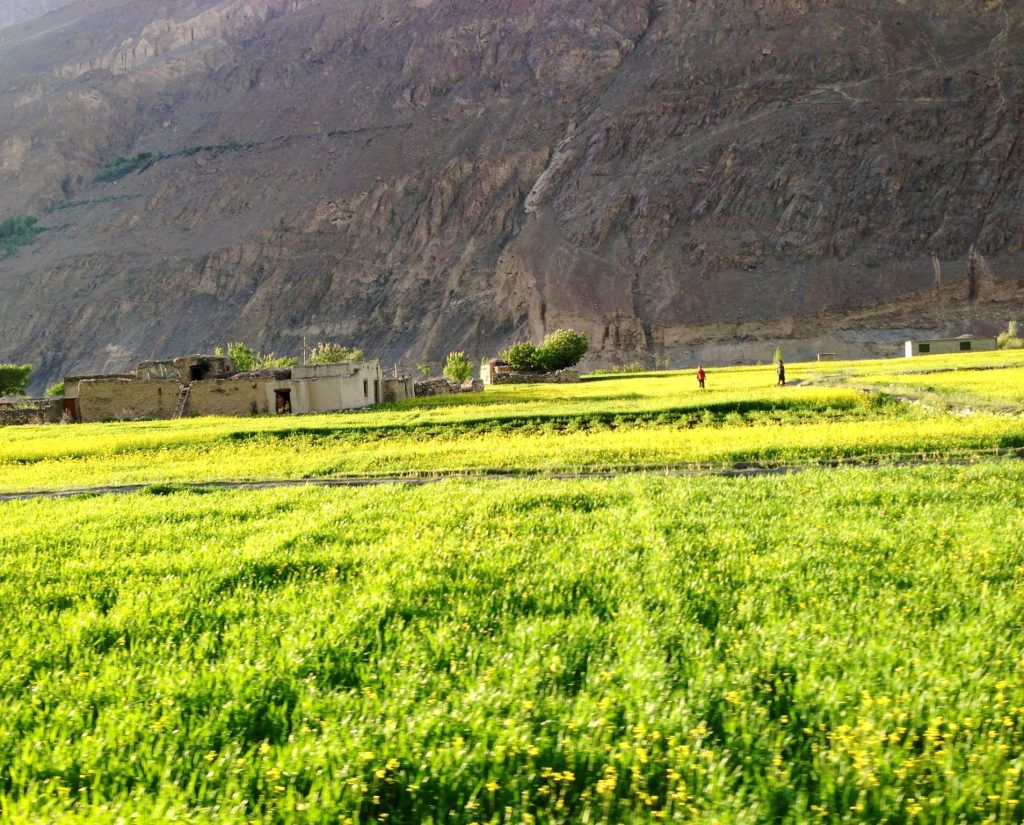
 Shimshal villageStone houses, irrigated fields and a strong community spirit. Village walks with a host family are the best introduction.
Plan Your Trip
Best Time to Visit
June to September
Summer is the season for treks and pastures. Snow and rockfall make the road difficult or closed for much of winter and early spring.
How to Reach
Shimshal road from Passu
Leave the KKH at Passu. The drive typically takes three to five hours depending on the road; hire a 4x4 with a local driver in Passu or Gulmit.
Where to Stay
Homestays and simple guesthouses
Accommodation is in family homestays, community guesthouses and campsites. Expect basic facilities, limited power and patchy or no mobile signal.
Local Food
Wakhi home cooking
Meals are home-cooked: bread, dairy from village herds, potatoes, and dried apricots and other stored foods.
Culture & Etiquette
Guests in a close-knit community
Dress modestly, ask before photographing people, and follow your host's guidance on village customs.
Permits & Advisories
Check before you go
Shimshal borders China; confirm current rules for foreign visitors and trekking routes with the GB Tourism Department and your operator.
Before You Go
Fees, permits and road conditions change, check these with official sources close to your travel date.
- 1
Check road and weather status
Mountain roads here can close for snow, landslides or repairs at short notice. Check the latest notices from the Gilgit-Baltistan Tourism Department (visitgilgitbaltistan.gov.pk) and ask your hotel or driver the day before setting out.
- 2
Book a driver, guide and homestay
Arrange your 4x4 transfer, any trekking guide or porters, and accommodation in advance through registered operators or the community, and agree what is included.
- 3
Confirm permits and entry rules
Rules for Pakistani and foreign visitors differ and can change. Confirm any registration, NOC or checkpoint requirements with the Gilgit-Baltistan Tourism Department (visitgilgitbaltistan.gov.pk) or the Pakistan Tourism Development Corporation (tourism.gov.pk), and carry your CNIC or passport and visa at all times.
- 4
Check fees and local charges
Entry fees, boat or jeep rates and camping charges are set locally and revised from time to time. Confirm them on the spot or with the official tourism office rather than relying on figures quoted online.
- 5
Read the travel advisories
Foreign visitors should read the UK FCDO (gov.uk/foreign-travel-advice/pakistan) and US State Department (travel.state.gov) advice for Pakistan, which can affect travel insurance, and follow local authority guidance.
Suggested Itinerary
Allow at least three days; treks need a week or more.
- 1
Day 1: Passu to Shimshal
Start early from Passu for the gorge road, stopping at safe points to take in the views. Settle into your homestay in the afternoon.
- 2
Day 2: Village and glacier walk
Explore the village with a local host, then walk towards a nearby glacier viewpoint. Rest well to help acclimatisation.
- 3
Day 3: Return or trek
Drive back to Passu in the morning, or begin a guided trek towards the pastures, glaciers or Shimshal Pass.
Food and Local Flavours
Food in Shimshal is what the valley produces and stores: bread baked daily, butter, yoghurt and cheese from yaks and goats, potatoes and barley, and dried apricots and other fruit brought up from lower villages. Hospitality is central to Wakhi culture, and guests are often offered salt tea or milk tea. Bring snacks for treks, and see our guide to Gilgit-Baltistani cuisine.
Travel Responsibly
- Hire Shimshali guides, porters and drivers, the valley's livelihood depends on them.
- Respect pasture and grazing rules set by the community.
- Carry out all rubbish, including batteries and plastic.
- Acclimatise before high walks; descend if you feel unwell.
- Ask before photographing people and homes.
- Do not fly drones without permission near the border area.
Travel Advisories
Gilgit-Baltistan is administered by Pakistan with its own administrative set-up and forms part of the wider Kashmir region, which is disputed. The UK FCDO advises against all travel on the Karakoram Highway between Mansehra and Chilas (via Battagram, Besham, Dasu and Sazin), the usual overland route north from Islamabad; many visitors instead fly to Gilgit or, in summer, use the Naran–Babusar road. The US State Department's overall advice for Pakistan is to reconsider travel. Read both before booking, check that your insurance is valid, and follow local authority guidance.
Frequently Asked Questions
How long does it take to drive to Shimshal?
The Gilgit-Baltistan tourism portal gives three to five hours from the Karakoram Highway at Passu, depending on road conditions.
Do I need a 4x4?
Yes. The road is steep, narrow and partly unpaved; a 4x4 with an experienced local driver is strongly recommended.
Is there mobile signal or electricity?
Coverage is limited and power comes mostly from local hydro and solar. Bring cash, a power bank and offline maps.
Who is Samina Baig?
A mountaineer from Shimshal who became the first Pakistani woman to climb Everest, in 2013, and later climbed the highest peaks on all seven continents.
When is the best time to visit?
June to September, when the road is usually open and pastures and trekking routes are accessible.
Keep Exploring
Related places and stories on DailyLife.pk
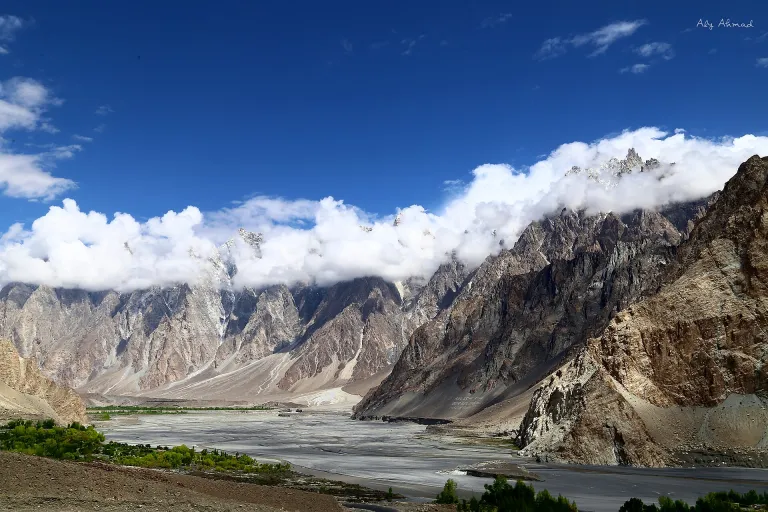
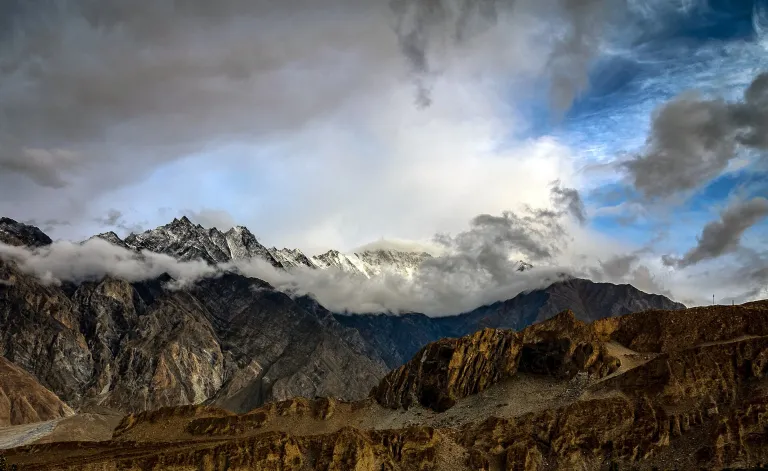 Passu and GojalPassu and Gojal guide: Passu Cones, Batura and Passu glaciers, Hussaini bridge, Gulmit, Borith Lake
 Attabad LakeAttabad Lake guide: how the 2010 landslide formed it, the Friendship Tunnels, boating
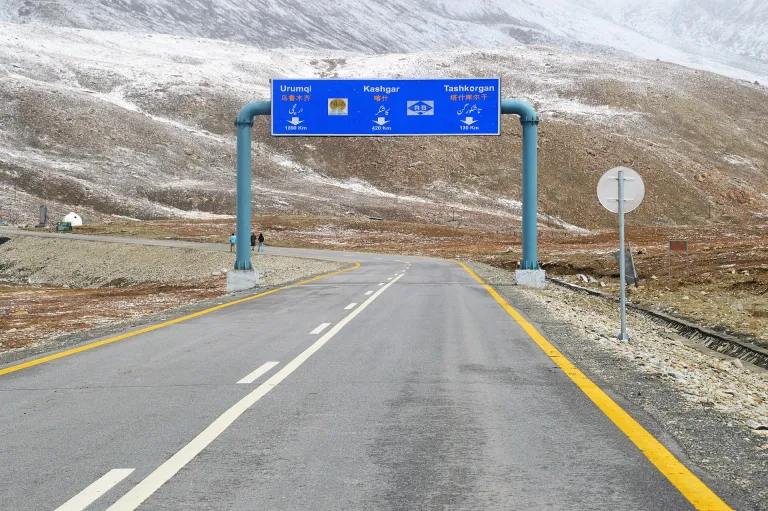
 Khunjerab PassKhunjerab Pass guide: the Karakoram Highway border crossing, Khunjerab National Park wildlife, season, altitude safety
 Hunza ValleyPlan a Hunza Valley trip: Baltit and Altit forts, Attabad Lake, Passu Cones, Hussaini bridge
 GilgitGilgit city guide: Kargah Buddha, bazaars, polo, 1947 history, Naltar and Rakaposhi day trips
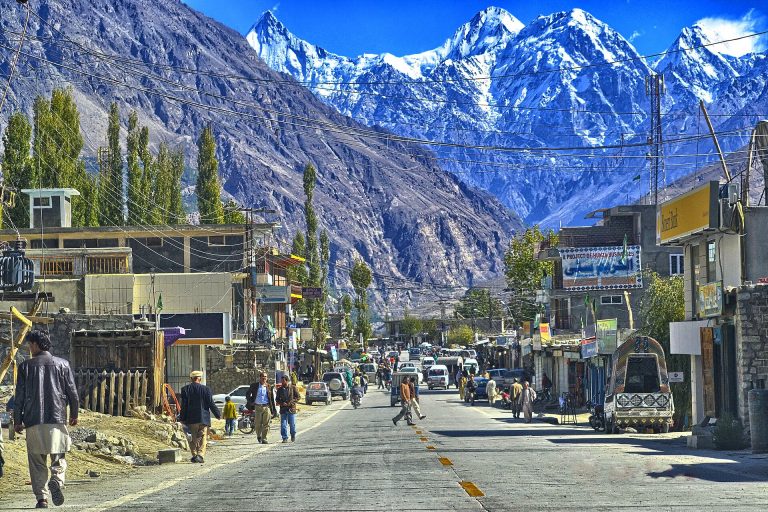 AliabadAliabad, Hunza: the district's market and transport hub on the KKH, with nearby Karimabad
How we know this
- Type Travel guide
- Sources 8 (2 official/academic)
- Reviewed October 2026
- Disputed points None
Rules and fees change, confirm with the official links below before you act.
8 sources
- Shimshal Valley, Gilgit-Baltistan Tourism e-portal
- Gojal: Where Pakistan begins, Dawn
- How the residents of Shimshal are setting a shining example for Pakistan, Dawn
- Mission accomplished: Samina becomes first Pakistani to scale 7 highest peaks on 7 continents, The Express Tribune
- Science and Practice of Ecology and Society Award for Shimshal, Pamir Times
- Shimshal (used to locate primary sources), Wikipedia
- Pakistan travel advice – warnings and insurance, UK Foreign, Commonwealth & Development Office
- Pakistan Travel Advisory, U.S. Department of State
Photo credits (7)
- Summer in Shimshal.JPG, Shujaat Aly, CC BY-SA 3.0, via Wikimedia Commons
- Shimshal village- Pakistan- 2013-12-15 18-43.jpg, User:Informerpakistan, CC BY-SA 3.0, via Wikimedia Commons
- Boibar Valley.jpg, Basharatwakhani, CC BY-SA 4.0, via Wikimedia Commons
- Passu Cones and the Hunza River.jpg, Aly Ahmad1991, CC BY-SA 4.0, via Wikimedia Commons
- Attabad Lake In autumn.png, Mr.KhalidJawed, CC0, via Wikimedia Commons
- Khunjerab Pass Road.jpg, Muneeb Qazi, CC BY-SA 4.0, via Wikimedia Commons
- Autumn color in Hunza Valley.jpg, Ghazi Ghulamraza, CC BY-SA 3.0, via Wikimedia Commons
