
Travel destination
Shigar Valley: Baltistan's Apricot Valley and Gateway to K2
A green, fertile valley north of Skardu with a restored 17th-century palace-fort, an old wooden mosque, sand dunes and the jeep road towards K2.
- Shigar District, Gilgit-Baltistan
- Shigar town about 2,300 m
- Best season May to October
Shigar Fort, Shigar Valley
About Shigar Valley
Cross the Indus north of Skardu and the road leads into Shigar, a broad, fertile valley of poplars, willows and apricot orchards cradled by bare Karakoram mountains. Shigar town lies at about 2,300 metres and roughly 32 km from Skardu, making it an easy excursion, but its heritage and peace persuade many visitors to stay longer.
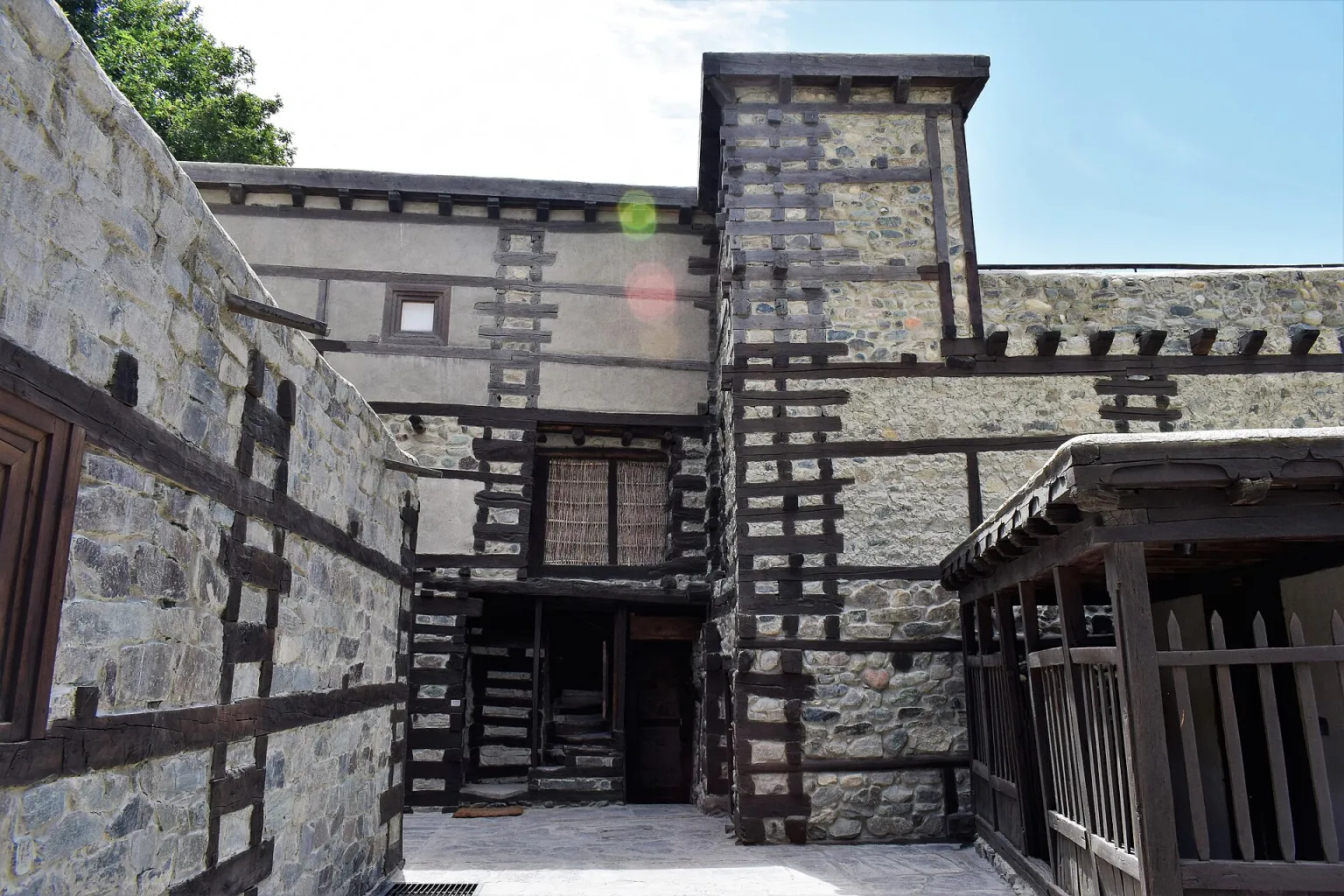
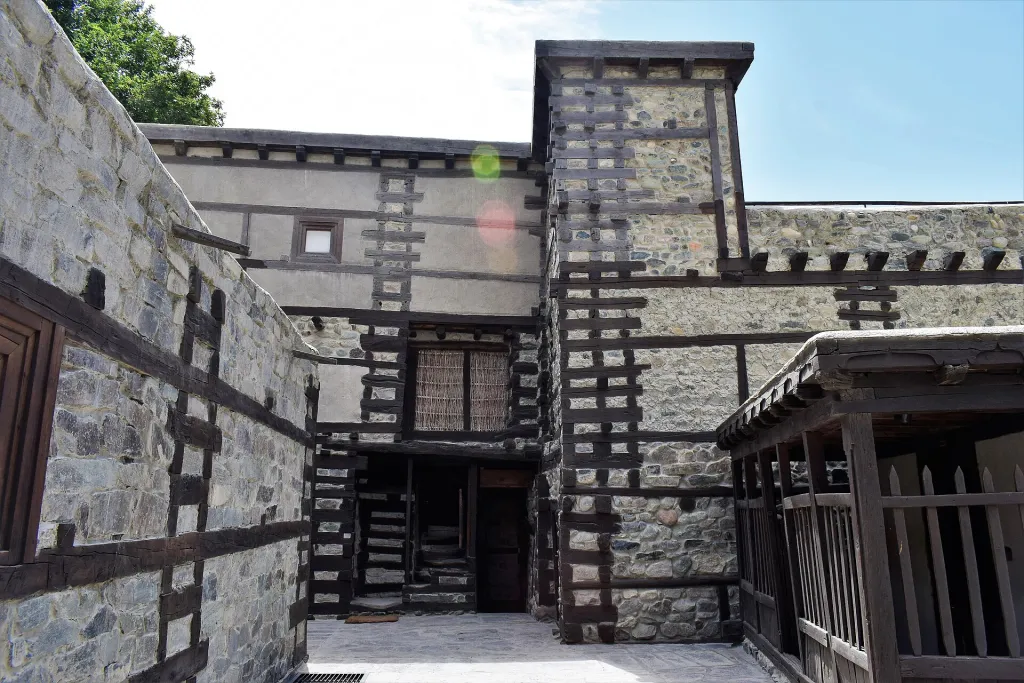
For centuries Shigar was ruled by its own Rajas, whose 17th-century palace, locally called Fong Khar or 'palace on the rock', stands against a boulder at the mouth of a side valley. In the early 2000s the Aga Khan Cultural Service–Pakistan restored the building with the family, using traditional Balti techniques of timber, stone and mud, and it now operates as a heritage hotel and museum. Nearby, the wooden Amburiq Mosque, linked to the arrival of Islam in Baltistan, received a UNESCO award for heritage conservation in 2005.
Shigar is also the gateway to the high Karakoram. A road runs up the valley through Balti villages to Dassu and then along the rough Braldu gorge to Askole, the last village before the Baltoro Glacier and the K2 base camp trek. Spring blossom in April and early May and the apricot harvest later in the year are among the valley's loveliest seasons.
Highlights of Shigar
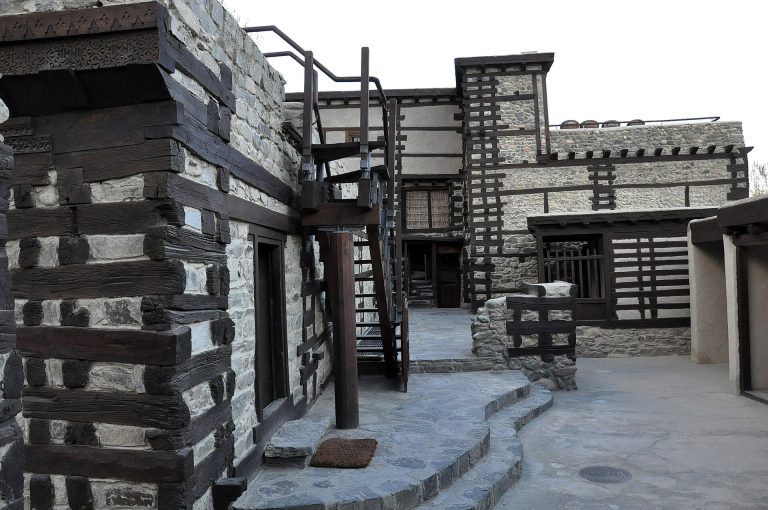 Shigar Fort (Fong Khar)The 17th-century palace of the Rajas, restored with traditional techniques; part of it is a museum open to visitors.
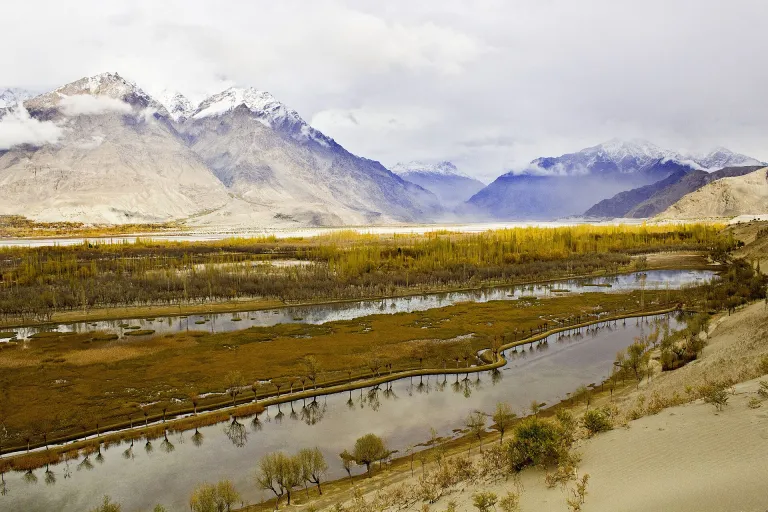 Katpana dunesThe famous cold desert on the Skardu side, an easy stop on the drive in.
Plan Your Trip
Best Time to Visit
May to October
Blossom in April–May, green summers and the apricot harvest later. Winters are cold and quiet.
How to Reach
From Skardu by road
About 32 km from Skardu, under an hour by car. Skardu has flights from Islamabad, subject to weather, and road links via Gilgit.
Where to Stay
Heritage hotel, guesthouses
Shigar Fort operates as a heritage hotel, and the valley has guesthouses and small hotels; Skardu has the widest choice.
Local Food
Balti dishes and apricots
Try Balti breads, soups and apricot dishes; dried apricots make a good souvenir.
Culture & Etiquette
Balti communities
Dress modestly, remove shoes in mosques when invited in, and ask before photographing people.
Permits & Advisories
Trekking beyond Askole
The valley itself needs no special permit, but Baltoro and K2 treks and climbs have their own rules, check with the tourism department.
Before You Go
Fees, permits and road conditions change, check these with official sources close to your travel date.
- 1
Check road and weather status
Mountain roads here can close for snow, landslides or repairs at short notice. Check the latest notices from the Gilgit-Baltistan Tourism Department (visitgilgitbaltistan.gov.pk) and ask your hotel or driver the day before setting out.
- 2
Confirm permits and entry rules
Rules for Pakistani and foreign visitors differ and can change. Confirm any registration, NOC or checkpoint requirements with the Gilgit-Baltistan Tourism Department (visitgilgitbaltistan.gov.pk) or the Pakistan Tourism Development Corporation (tourism.gov.pk), and carry your CNIC or passport and visa at all times.
- 3
Check fees and local charges
Entry fees, boat or jeep rates and camping charges are set locally and revised from time to time. Confirm them on the spot or with the official tourism office rather than relying on figures quoted online.
- 4
Read the travel advisories
Foreign visitors should read the UK FCDO (gov.uk/foreign-travel-advice/pakistan) and US State Department (travel.state.gov) advice for Pakistan, which can affect travel insurance, and follow local authority guidance.
Suggested Itinerary
Two days from Skardu.
- 1
Day 1: Skardu to Shigar
Stop at the Katpana dunes, then drive to Shigar. Visit the fort museum and Amburiq Mosque and walk the orchard lanes.
- 2
Day 2: Lakes and desert
Visit Blind Lake in the morning and the Sarfaranga dunes for late-afternoon light before returning to Skardu.
- 3
Longer option: Towards Askole
With a 4x4 and a local driver, follow the valley to the Braldu gorge for a taste of the K2 approach.
Food and Local Flavours
Balti food is built on wheat, barley, dairy and fruit. Look for local breads, thick noodle soups and dishes using apricot oil and kernels. Fresh apricots in season are some of the best in Pakistan. See our guide to Gilgit-Baltistani cuisine.
Travel Responsibly
- Follow the rules inside the fort and mosques; photography may be restricted.
- Do not drive off established tracks on the dunes.
- Buy dried fruit and crafts from local producers.
- Keep lakes clean and do not wash in them.
- Respect privacy in village lanes.
- Hire local guides and drivers for upper-valley trips.
Travel Advisories
Gilgit-Baltistan is administered by Pakistan with its own administrative set-up and forms part of the wider Kashmir region, which is disputed. The UK FCDO advises against all travel on the Karakoram Highway between Mansehra and Chilas (via Battagram, Besham, Dasu and Sazin), the usual overland route north from Islamabad; many visitors instead fly to Gilgit or Skardu or, in summer, use the Naran–Babusar road. The US State Department's overall advice for Pakistan is to reconsider travel. Read both before booking, check your insurance, and follow local authority guidance.
Shigar Valley Through Time
Every dated moment our guides record about Shigar Valley, from its own history and from national events that touched it. Each entry links to its source page.
- 17th century
Fong Khar built
The fort is dated to the 17th century; Archnet says Raja Hasan Khan hired Kashmiri craftsmen.
- 2006
Fort award
Shigar Fort won a UNESCO Asia-Pacific Heritage Award of Excellence, the Aga Khan Development Network says.
- December 2018
Forbes: coolest places to go in 2019
Forbes included Pakistan's north, Hunza, Shigar and Khaplu, in its list of ten coolest places to visit in 2019, praising the scenery and warm people.
- 27 July 2023
Death of a porter
Mohammad Hassan, a Pakistani high-altitude porter from Shigar, died near the Bottleneck. The Gilgit-Baltistan government formed a five-member committee to investigate (Dawn, 8 August 2023).
Do you remember Shigar Valley as it used to be? Share a memory or an old photo, our editors review every story before it appears.
Frequently Asked Questions
How far is Shigar from Skardu?
About 32 km, typically under an hour by road.
Can I visit Shigar Fort without staying there?
Parts of the fort operate as a museum; check opening arrangements and any entry fee locally.
Is Shigar the start of the K2 trek?
The road to Askole, the trailhead for the Baltoro Glacier and K2 base camp, runs up the Shigar valley.
When do the apricots blossom?
Usually in April and early May, depending on altitude and the season.
Keep Exploring
Related places and stories on DailyLife.pk
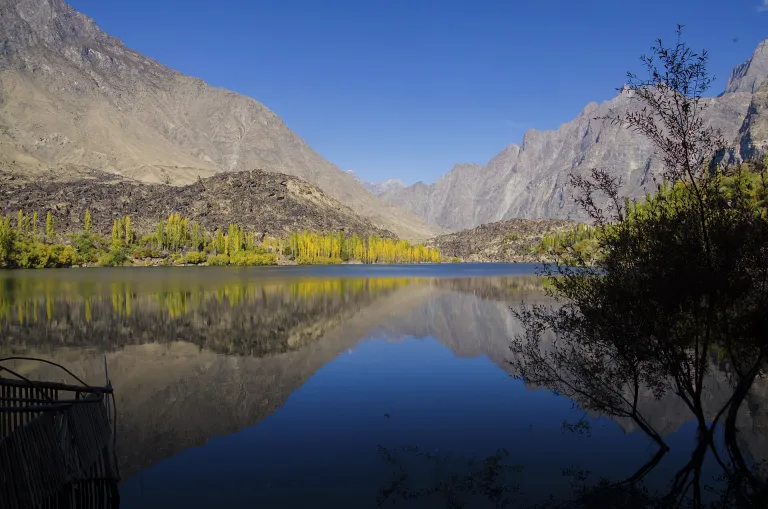
 Skardu ValleySkardu Valley guide: Shangrila and Upper Kachura lakes, Shigar Fort, Katpana cold desert, Manthokha waterfall, Satpara
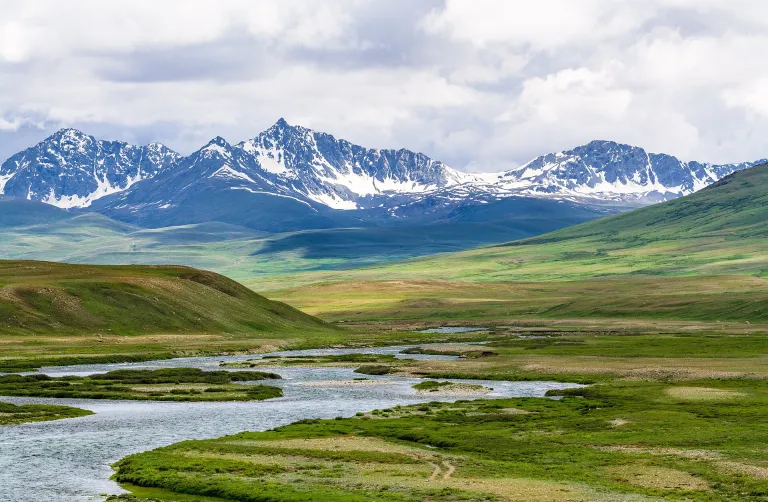 Deosai National ParkDeosai National Park guide: Himalayan brown bears, Sheosar Lake, Bara Pani, routes from Skardu and Astore
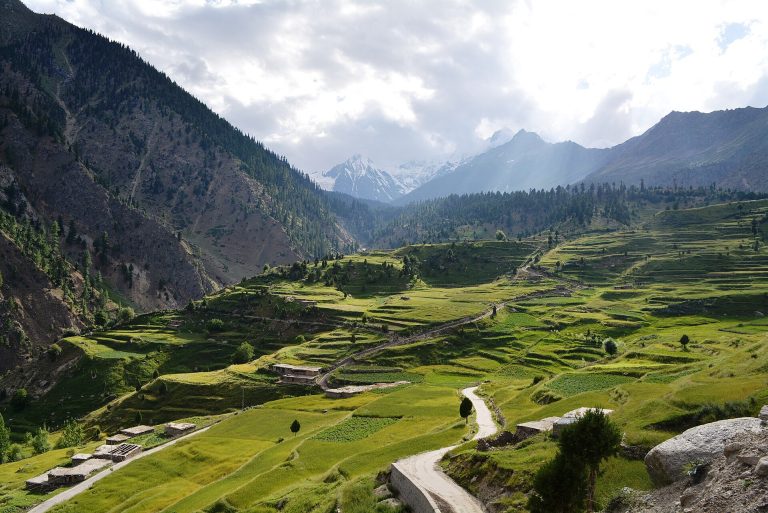 Astore Valley and Rama MeadowsAstore Valley and Rama Meadows guide: Rama Lake, forests, Nanga Parbat views, Rupal side
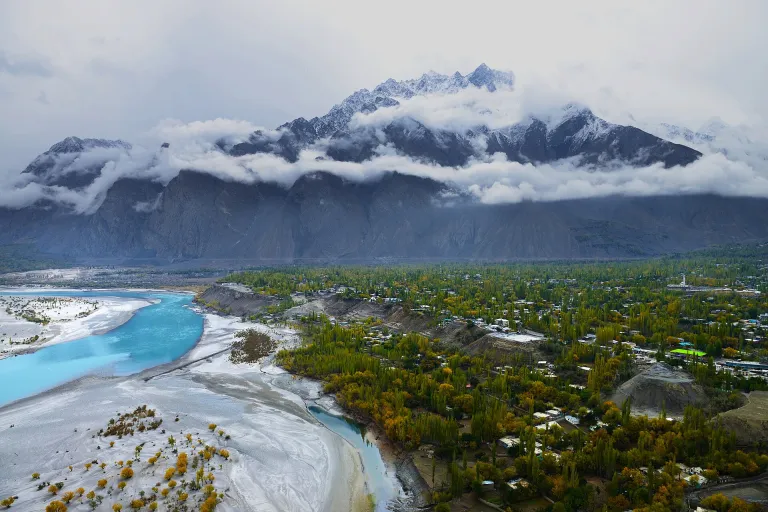 SkarduSkardu city guide: Kharpocho Fort, Manthal Buddha Rock, the Indus and Katpana dunes, Balti food
 KhapluKhaplu town guide: Khaplu Palace, Chaqchan Mosque, the Khanqah, Thoqsikhar and the Hushe Valley, with history
 GilgitGilgit city guide: Kargah Buddha, bazaars, polo, 1947 history, Naltar and Rakaposhi day trips
How we know this
- Type Travel guide
- Sources 8 (3 official/academic)
- Reviewed October 2026
- Disputed points None
Rules and fees change, confirm with the official links below before you act.
8 sources
- Shigar Fort, Gilgit-Baltistan Tourism e-portal
- Shigar valley, fort, apricots, Askole, Central Karakoram National Park
- Shigar Fort Restoration, Archnet
- Tourism done right, Aga Khan Development Network
- District Skardu, Tourism Department, Government of Gilgit-Baltistan
- Shigar Palace (used to locate primary sources), Wikipedia
- Pakistan travel advice – warnings and insurance, UK Foreign, Commonwealth & Development Office
- Pakistan Travel Advisory, U.S. Department of State
Photo credits (7)
- Shigar Fort.jpg, Shahid Rao, CC BY-SA 4.0, via Wikimedia Commons
- Shigar Fort Gilgit Baltistan.jpg, Furqanlw, CC BY-SA 4.0, via Wikimedia Commons
- Katpana Desert at Skardu, Gilgit-Baltistan in Pakistan-2015.jpg, Muhammad Rizwan Shaikh, CC BY-SA 4.0, via Wikimedia Commons
- An autumnal view of Skardu's skyline.jpg, Vasiq Eqbal, CC BY-SA 4.0, via Wikimedia Commons
- Upper Kachura Lake, Skardu in Autumn.jpg, Hamza.sana21, CC BY-SA 4.0, via Wikimedia Commons
- View of main entrance of Khaplu Palace.jpg, Muhammad Ashar, CC BY-SA 3.0, via Wikimedia Commons
- The Land of Giants, Deosai.jpg, Qammer Wazir, CC BY-SA 4.0, via Wikimedia Commons
