
Travel destination
Passu and Gojal: Cathedral Peaks and Wakhi Villages
Upper Hunza's high frontier: the saw-toothed Passu Cones, two great glaciers, swaying suspension bridges and the Wakhi villages of Gulmit, Ghulkin and Hussaini.
- Gojal (Upper Hunza), Gilgit-Baltistan
- Valley floors from about 2,400 m
- Best season May to October
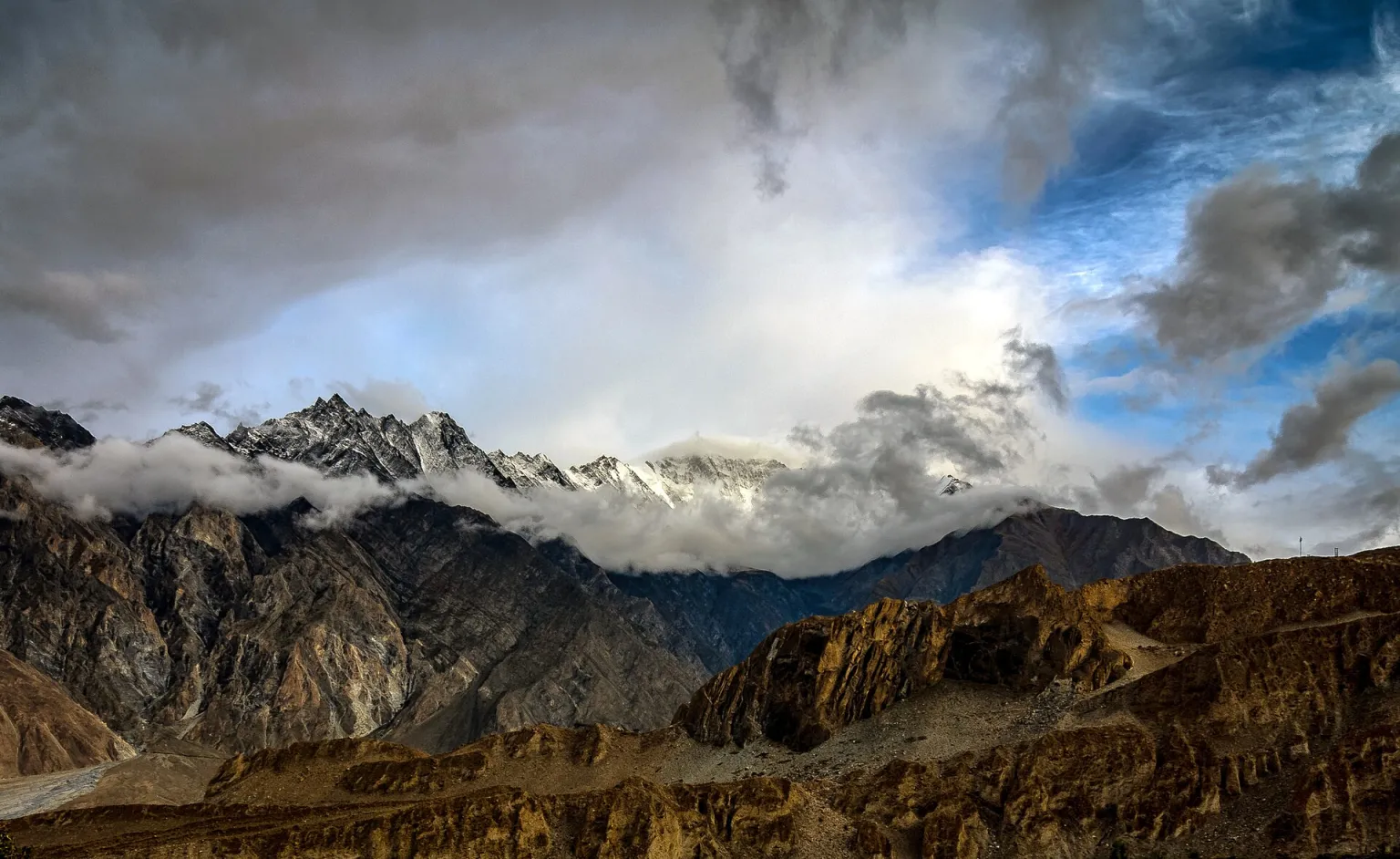
Passu Cones, Gojal, Hunza District
About Passu and Gojal
North of Attabad Lake the Hunza valley changes character. The orchards of Central Hunza give way to a starker, higher landscape of glaciers, gravel fans and spires of rock, and the language on the street changes from Burushaski to Wakhi. This is Gojal, or Upper Hunza, the largest subdivision of Gilgit-Baltistan, stretching up the Karakoram Highway towards the Khunjerab Pass and bordering both China and Afghanistan's Wakhan corridor.
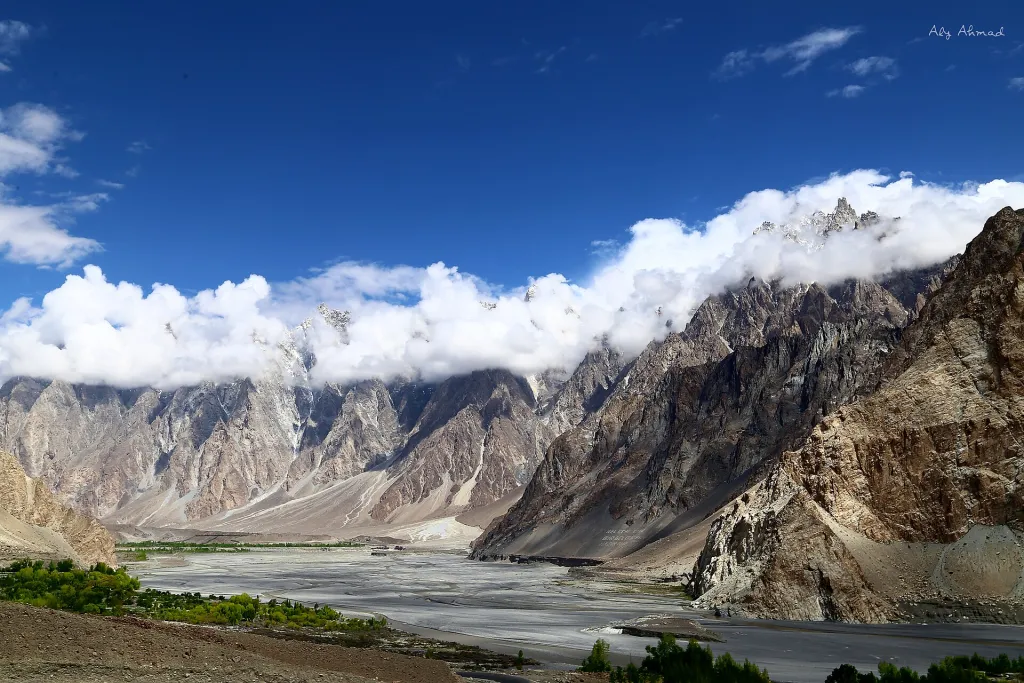
Passu is the best-known name in Gojal. Above the village rises a row of sharp, pale peaks, the Passu Cones, also called Tupopdan or the Passu Cathedral, which turn gold in early and late sunlight and appear on countless postcards of Pakistan. Two glaciers flank the village: the Passu Glacier, whose white ice can be reached on a short hike, and the much larger Batura Glacier, one of the longest outside the polar regions. Villagers here have lived for generations with the rivers and ice, and Passu has been flooded several times in its history.
A short distance south, Gulmit is Gojal's largest village and was a seat of the Mirs of Hunza until the princely state was dissolved in 1974; polo was once played on the ground in front of the palace. Ghulkin sits beside its own glacier, and Hussaini is famous for its long, gap-toothed suspension bridge across the Hunza River. Most people here are Ismaili Muslims, and community organisations play a strong role in village life.
Highlights of Gojal
 Passu ConesThe serrated peaks above Passu are best seen at sunrise or late afternoon from the highway or the fields around the village.
 Passu GlacierA short hike from the village leads to viewpoints over the white tongue of the Passu Glacier. Do not walk on the ice without a local guide.
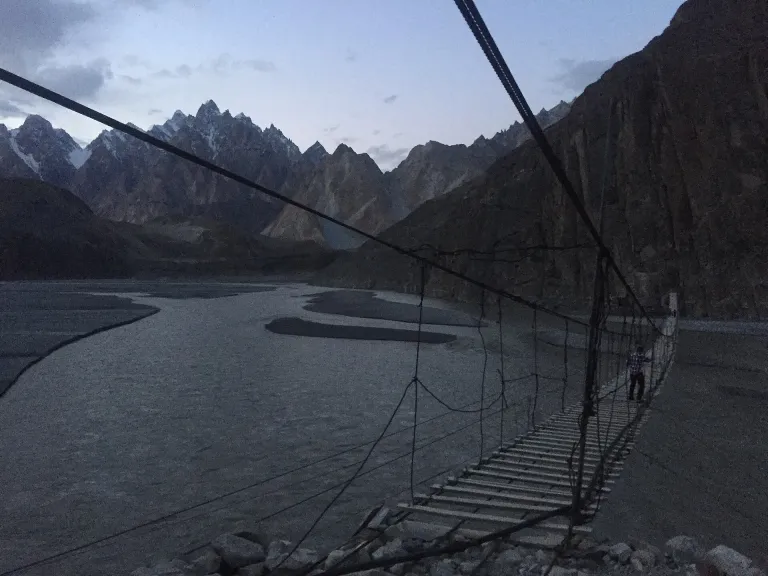 Hussaini suspension bridgeA long, narrow footbridge of planks and cables strung across the Hunza River. Crossing is optional, it can sway hard in the wind.
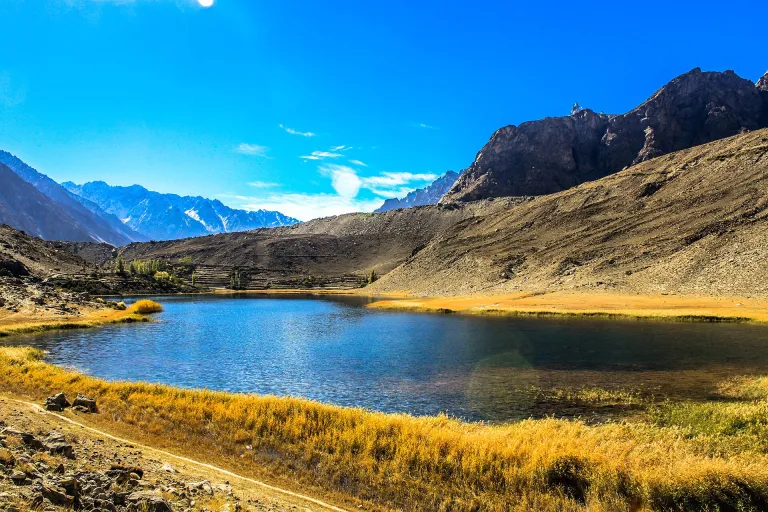 Borith LakeA small lake above Ghulkin and Hussaini, known for migratory birds and views of the surrounding glaciers. Its level has been falling.
Plan Your Trip
Best Time to Visit
May to October
Summer offers the most reliable access and open guesthouses; October brings golden poplars. Winter is very cold and many services close.
How to Reach
Karakoram Highway via Attabad
Passu lies on the KKH about 125 km from Gilgit, beyond Karimabad and the Attabad tunnels. Allow most of a day from Gilgit with stops; shared vans run to Gojal.
Where to Stay
Guesthouses in Passu, Gulmit, Ghulkin
Expect family-run guesthouses, small hotels and some campsites. Facilities are simpler than in Karimabad; book ahead in peak summer.
Local Food
Wakhi home cooking
Ask guesthouses for local breads, apricot and walnut dishes, and dairy from village herds. Passu's cafés are known for apricot cake.
Culture & Etiquette
Respect village customs
Dress modestly, ask before photographing people, and keep to paths through fields and orchards.
Permits & Advisories
Carry ID
Carry CNIC or passport for checkpoints. Glacier and high-trek routes require a local guide; check current advisories.
Before You Go
Fees, permits and road conditions change, check these with official sources close to your travel date.
- 1
Check road and weather status
Mountain roads here can close for snow, landslides or repairs at short notice. Check the latest notices from the Gilgit-Baltistan Tourism Department (visitgilgitbaltistan.gov.pk) and ask your hotel or driver the day before setting out.
- 2
Arrange guides for glaciers and treks
For glacier walks beyond the viewpoints, or treks such as the Batura route, hire a licensed local guide through your guesthouse or a registered operator and check porter and camping arrangements before you leave.
- 3
Confirm permits and entry rules
Rules for Pakistani and foreign visitors differ and can change. Confirm any registration, NOC or checkpoint requirements with the Gilgit-Baltistan Tourism Department (visitgilgitbaltistan.gov.pk) or the Pakistan Tourism Development Corporation (tourism.gov.pk), and carry your CNIC or passport and visa at all times.
- 4
Check fees and local charges
Entry fees, boat or jeep rates and camping charges are set locally and revised from time to time. Confirm them on the spot or with the official tourism office rather than relying on figures quoted online.
- 5
Read the travel advisories
Foreign visitors should read the UK FCDO (gov.uk/foreign-travel-advice/pakistan) and US State Department (travel.state.gov) advice for Pakistan, which can affect travel insurance, and follow local authority guidance.
Suggested Itinerary
Three relaxed days from Central Hunza.
- 1
Day 1: Attabad to Gulmit
Drive north past Attabad Lake, then settle into Gulmit. Walk through the old village and visit the museum.
- 2
Day 2: Borith Lake and Hussaini
Hike or drive to Borith Lake in the morning, then visit the Hussaini bridge and continue to Passu for sunset over the Cones.
- 3
Day 3: Passu glaciers
Take an early walk to the Passu Glacier viewpoint or the Batura snout with a guide, then continue north to Sost and Khunjerab or head into Shimshal.
Food and Local Flavours
Gojal's food reflects a short growing season and a long winter. Apricots are dried, pressed for oil and cooked into soups; flatbreads are baked daily; and milk, butter and cheese from village herds are staples. Guesthouses usually serve set meals of local and Pakistani dishes. Our guide to Gilgit-Baltistani cuisine explains the dishes to look for.
Travel Responsibly
- Never walk on glacier ice or cross crevassed ground without a local guide.
- Only cross the Hussaini bridge if you are confident; turn back in strong wind.
- Carry rubbish out of glacier and lake areas.
- Stay in village guesthouses and hire local guides and porters.
- Keep to field edges and do not pick fruit without asking.
- Drive slowly through villages, where children and livestock use the road.
Travel Advisories
Gilgit-Baltistan is administered by Pakistan with its own administrative set-up and forms part of the wider Kashmir region, which is disputed. The UK FCDO advises against all travel on the Karakoram Highway between Mansehra and Chilas (via Battagram, Besham, Dasu and Sazin), the usual overland route north from Islamabad; many visitors instead fly to Gilgit or, in summer, use the Naran–Babusar road. The US State Department's overall advice for Pakistan is to reconsider travel. Read both before booking, check that your insurance is valid, and follow local authority guidance.
Nearby Places

Frequently Asked Questions
What are the Passu Cones?
A row of sharp rock peaks above Passu village, also called Tupopdan or the Passu Cathedral. They are one of the most famous views on the Karakoram Highway.
Is the Hussaini bridge safe to cross?
Many visitors cross it, but it is narrow, has gaps between the planks and sways in the wind. Cross only if you are comfortable with heights, and not in strong wind.
Can I walk to the Passu or Batura Glacier without a guide?
Viewpoints near the glaciers can be reached on marked paths, but going onto the ice or further up the glaciers should only be done with an experienced local guide.
Where is the best base in Gojal?
Gulmit and Passu both have guesthouses. Gulmit is larger and central; Passu is closer to the glaciers and the Shimshal road.
What language is spoken in Gojal?
Wakhi is the main language in most of Gojal's villages, with Burushaski in some, and Urdu widely understood.
Keep Exploring
Related places and stories on DailyLife.pk
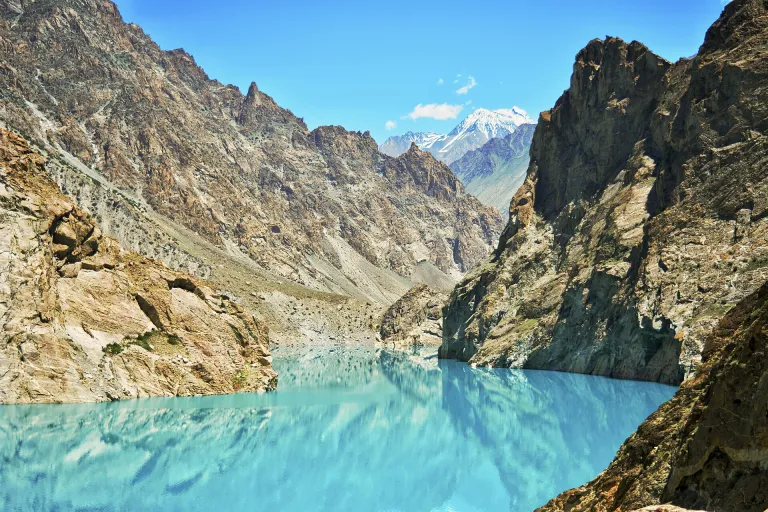
 Attabad LakeAttabad Lake guide: how the 2010 landslide formed it, the Friendship Tunnels, boating
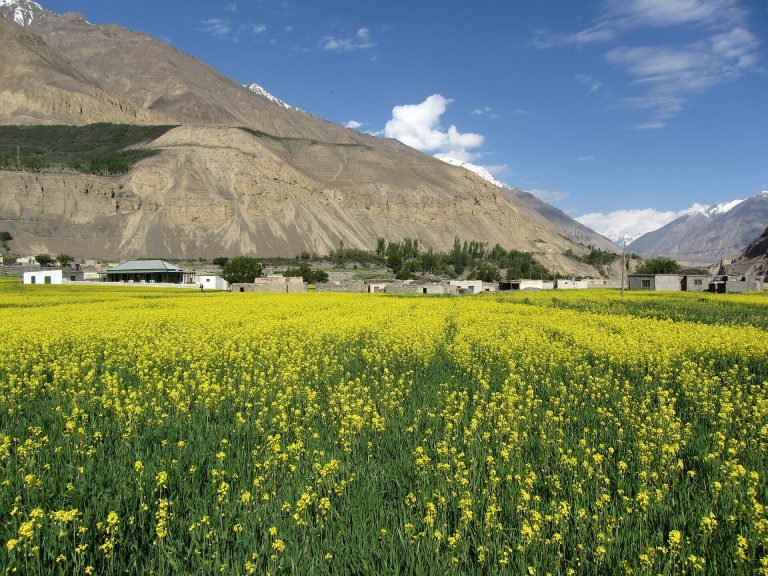 Shimshal ValleyShimshal Valley guide: the gorge road from Passu, Wakhi culture, mountaineers, Shimshal Pass and Pamir pastures
 Khunjerab PassKhunjerab Pass guide: the Karakoram Highway border crossing, Khunjerab National Park wildlife, season, altitude safety
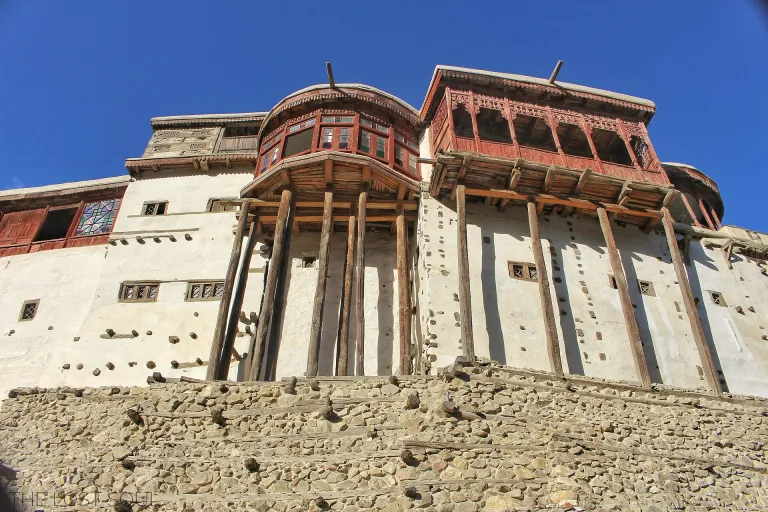
 Hunza ValleyPlan a Hunza Valley trip: Baltit and Altit forts, Attabad Lake, Passu Cones, Hussaini bridge
 Nagar ValleyNagar Valley guide: Rakaposhi viewpoints, Minapin, Hopar and its glaciers, Rush Lake trek
 GilgitGilgit city guide: Kargah Buddha, bazaars, polo, 1947 history, Naltar and Rakaposhi day trips
How we know this
- Type Travel guide
- Sources 8 (4 official/academic)
- Reviewed October 2026
- Disputed points None
Rules and fees change, confirm with the official links below before you act.
8 sources
- Gojal: Where Pakistan begins, Dawn
- District Hunza, Tourism Department, Government of Gilgit-Baltistan
- The Atta Abad Landslide and Everyday Mobility in Gojal, Northern Pakistan, Mountain Research and Development (Cook & Butz, 2013)
- Walking with the Wakhi, The Express Tribune
- Attabad Lake, Tourism Department, Government of Gilgit-Baltistan
- Gojal Tehsil (used to locate primary sources), Wikipedia
- Pakistan travel advice – warnings and insurance, UK Foreign, Commonwealth & Development Office
- Pakistan Travel Advisory, U.S. Department of State
Photo credits (10)
- Passu Cones Hunza Valley.jpg, Shahbazaslam1, CC BY-SA 4.0, via Wikimedia Commons
- Passu Cones and the Hunza River.jpg, Aly Ahmad1991, CC BY-SA 4.0, via Wikimedia Commons
- Pakistani truck in Karakoram Highway, Passu, Northern Areas, Pakistan.jpg, katorisi, CC BY-SA 3.0, via Wikimedia Commons
- Passu Glacier.jpg, Akbar Khan Niazi, CC BY-SA 3.0, via Wikimedia Commons
- Hussaini Hanging Bridge, Hunza Karimabad, Pakistan.jpg, Samad313, CC BY-SA 4.0, via Wikimedia Commons
- Borith Lake, Gulmit Valley, Hunza Nagar.jpg, Muhammad Azeem, CC BY-SA 3.0, via Wikimedia Commons
- Attabad Lake, Hunza Pakistan.jpg, Hassanzealous, CC BY-SA 4.0, via Wikimedia Commons
- Khunjerab Pass Road - Karakoram Highway.jpg, Shaguftakarim, CC BY-SA 4.0, via Wikimedia Commons
- Baltit Fort, Karimabad, Hunza, Gilgit Baltistan.jpg, Fassifarooq, CC BY-SA 4.0, via Wikimedia Commons
- Summer in Shimshal.JPG, Shujaat Aly, CC BY-SA 3.0, via Wikimedia Commons
