
City guide
Jauharabad: A Planned Town of the 1950s
The planned headquarters town of Khushab District, laid out in the early 1950s between the Salt Range and the Jhelum and named after Maulana Mohammad Ali Jauhar.
- HQ of Khushab District
- Planned town, founded 1951
- Salt Range to the north
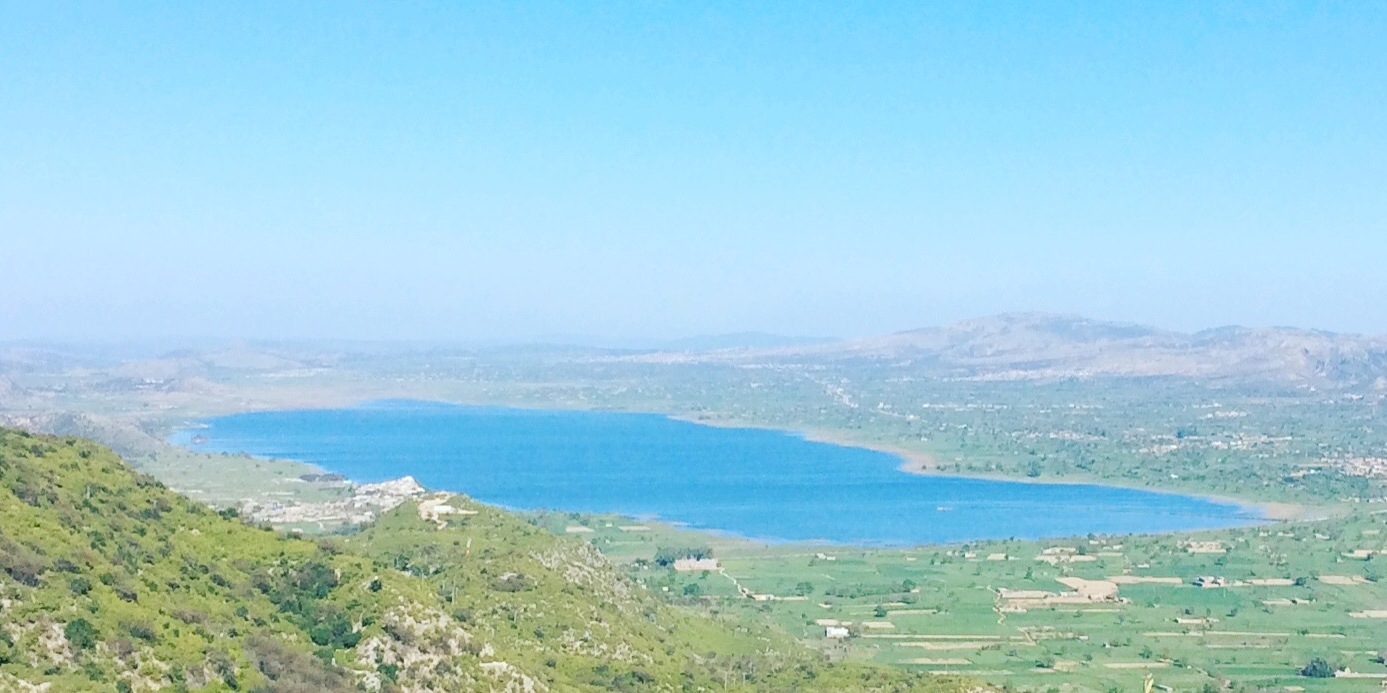
Uchhali Lake, Soon Valley, Khushab District
Jauharabad at a Glance
About Jauharabad
Jauharabad is the headquarters of Khushab District in Sargodha Division, a few kilometres west of the old river town of Khushab. Unlike most Punjabi towns, it was planned from scratch: its foundation was laid in 1951 and the work completed in 1953, with straight roads, blocks and public buildings. Accounts say the master plan was drawn with an eye to a possible new federal capital before Islamabad was chosen.
The town is named after Maulana Mohammad Ali Jauhar, leader of the Khilafat Movement; jauhar means gem. The scholar Muhammad Asad stayed here in the 1950s. The 2023 Census counted 113,188 people.
Jauharabad sits where three landscapes meet: the Salt Range rises immediately to the north, the Jhelum flows about 7 km to the south-east, and the sands of the Thal begin to the south. That makes it a practical base for the Soon Valley's lakes and gardens.
Places to Visit
A neat district town with the Salt Range on its doorstep.
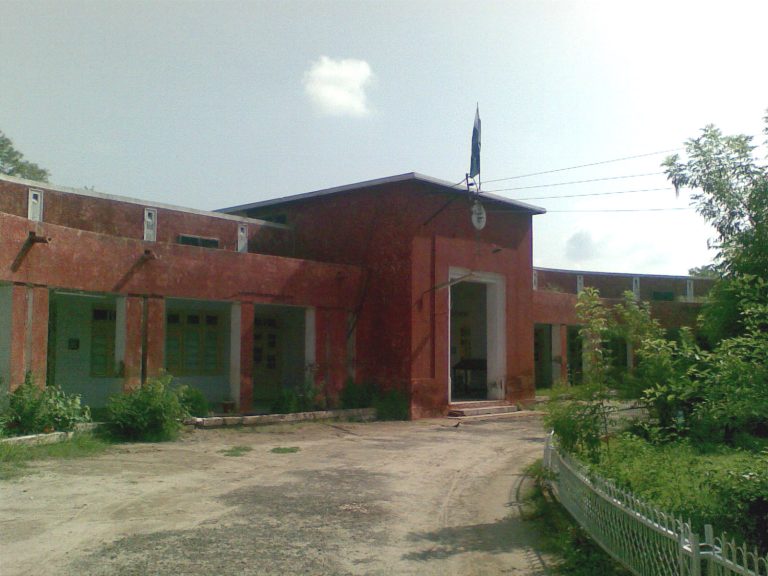 The planned townWide roads, district offices and residential blocks laid out in the 1950s make Jauharabad unusually orderly for a Punjabi town.
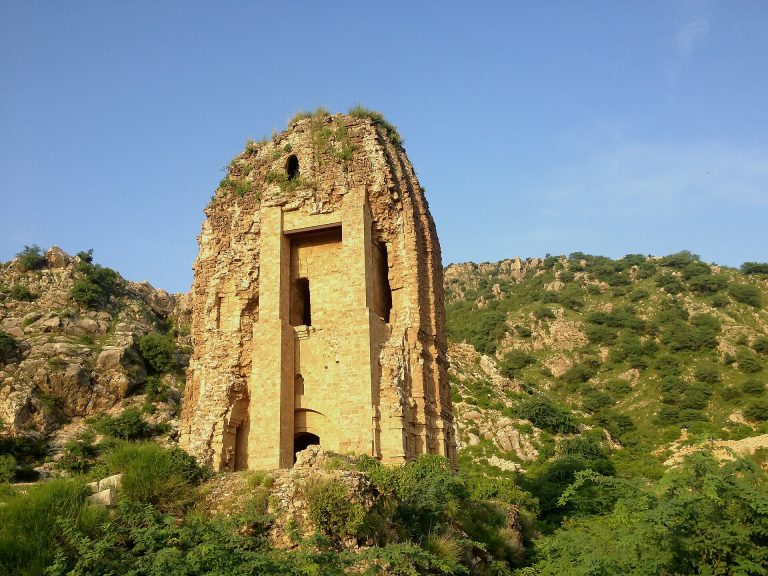 Khushab and the JhelumThe historic river town next door, known for dhodha sweets, with the Jhelum beyond.
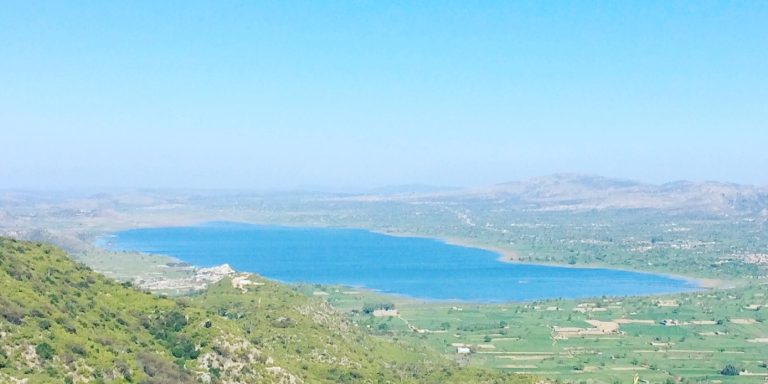 Uchhali LakeThe Soon Valley's best-known lake, part of the Ramsar-listed Uchhali Complex, is a scenic drive into the Salt Range.
A Short History
1951
Foundation laid
Work starts on the new planned town.
1953
Town completed
The first phase of Jauharabad is finished.
1950s
Muhammad Asad
The scholar stays in the town at the bungalow of Chaudhry Niaz Ali Khan.
1982
District headquarters
Khushab is separated from Sargodha as a district, with Jauharabad as its headquarters.
2023
Census
The city counts 113,188 people.
Getting There & Around
By air
Islamabad or Faisalabad
No commercial airport nearby; Islamabad International and Faisalabad are the usual choices.
By rail
Via Khushab
Khushab's station is close by; check Pakistan Railways for services.
By road
Sargodha–Khushab road
Roads connect with Sargodha, Mianwali and the M-2 motorway; Naushehra is the gateway to the Soon Valley.
Around town
Rickshaws
Rickshaws and vans link Jauharabad with Khushab.
Frequently Asked Questions
Is Jauharabad the capital of Khushab District?
Yes, Jauharabad is the district headquarters, while Khushab city is the tehsil headquarters.
Who is Jauharabad named after?
Maulana Mohammad Ali Jauhar, a leader of the Khilafat Movement.
When was Jauharabad built?
Its foundation was laid in 1951 and the town was completed in 1953.
What is the population of Jauharabad?
The 2023 Census counted 113,188 people.
Keep Exploring
Related places and stories on DailyLife.pk
KhushabKhushab city guide: Uchhali, Khabeki and Jahlar lakes, Soon Valley, Kanhatti Garden, Amb temples, dhodha sweet SargodhaSargodha city guide: kinnow orchards, Company Bagh, Kirana Hills, the City of Eagles story
 MianwaliMianwali city guide: Namal Lake, Kalabagh's red hills, Jinnah and Chashma barrages, an old stepwell, history
 Rivers and Lakes of PakistanPakistan's rivers and lakes: the Indus and its tributaries, the Indus Waters Treaty, Attabad, Saiful Muluk
 The Pakistan MovementThe Pakistan Movement explained: Sir Syed and Aligarh, the Muslim League (1906), Iqbal's 1930 address
 Punjabi CuisinePunjabi food guide: saag and makai roti, halwa puri, paye, Lahori fried fish, sohan halwa, lassi
How we know this
- Type Place guide
- Sources 5 (2 official/academic)
- Reviewed October 2026
- Disputed points None
5 sources
- Table 1: Area, population by sex, sex ratio, density, urban proportion: Punjab districts and tehsils (Census 2023), Pakistan Bureau of Statistics
- List of cities in Punjab, Pakistan by population (2023 figures compiled from citypopulation.de / PBS census results), Wikipedia (used to locate primary data)
- Punjab (Pakistan): Cities, Towns and Urban Localities: Census 2023, City Population (Thomas Brinkhoff), from PBS data
- Prominent Places: District Khushab, Government of the Punjab, District Khushab
- Jauharabad (overview used to locate primary sources), Wikipedia
Photo credits (3)
- UE Jauharabad Campus.jpg, Tanbukhari, Public domain, via Wikimedia Commons
- Uchhali Lake (2016).jpeg, Abdullahrana4, CC BY-SA 4.0, via Wikimedia Commons
- Amb Temple in Soon Sakasar Valley Khushab - west side.jpg, Djshaheer, CC BY-SA 4.0, via Wikimedia Commons
