

City guide
Bahawalnagar: Canal Country on the Sutlej
Once a hamlet called Rojhanwali, Bahawalnagar grew into a railway and grain town of the Bahawalpur state, between the Sutlej and the Cholistan desert.
- Southern Punjab, south of the Sutlej
- Part of the former Bahawalpur State
- Canal-irrigated farmland
- Best season: November–February
The Sutlej river near Bahawalnagar
Bahawalnagar at a Glance
About Bahawalnagar
Bahawalnagar stands just south of the Sutlej river in the east of the old Bahawalpur State, close to the border with India. To the north lie the river's irrigated lowlands; to the south the land gives way to the sandy fringe of the Cholistan desert around Fort Abbas.
The town began as a small settlement called Rojhanwali. A railway station opened here in 1895, and in 1904 the town was renamed Bahawalnagar in honour of Nawab Muhammad Bahawal Khan V, ruler of Bahawalpur. Before Partition it was a busy junction on the railway between Karachi and Delhi. The real transformation came with the canals of the Sutlej Valley Project: the Sulemanki Headworks, opened in 1926, fed the Fordwah and Eastern Sadiqia canals that brought most of the district under irrigation, and Bahawalnagar grew into a grain market.
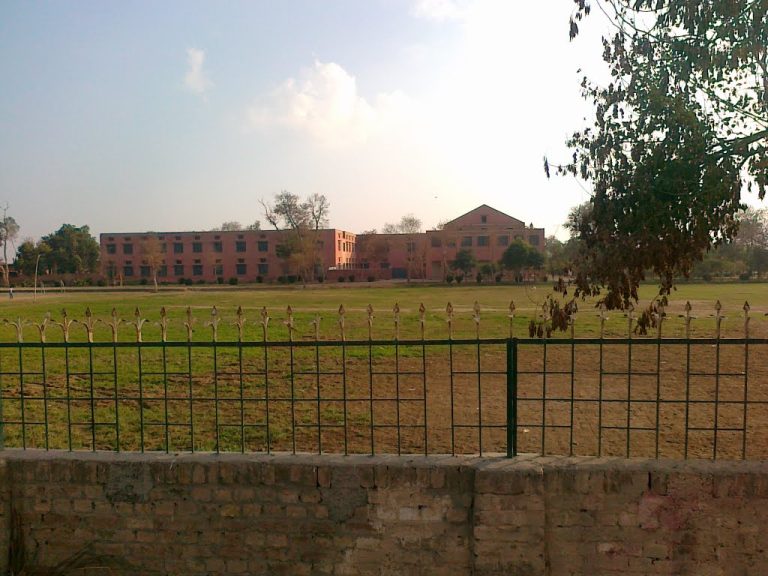
The 2023 Census counted 241,873 people in the city and 3,550,342 in Bahawalnagar District, which covers 8,878 km². Wheat, rice, cotton and sorghum grow on the Sutlej alluvium, and the town serves as the market and service centre for the surrounding villages, with several colleges and a sub-campus of the Islamia University of Bahawalpur.
Canals made Bahawalnagar: they turned thirsty plains into one of Punjab's quiet granaries.
Places to See
River, canals and the desert edge.
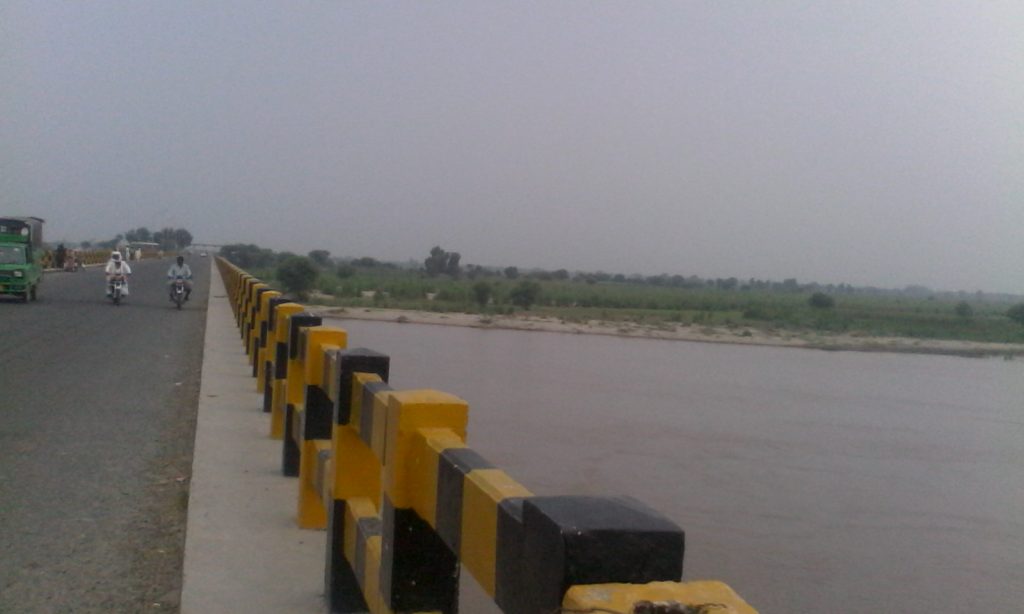
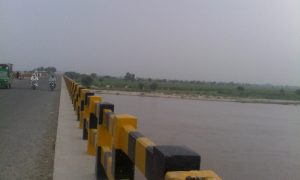
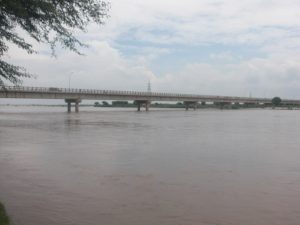
 The Sutlej at BahawalnagarThe river runs a few miles north of the city; the bridge and riverbank are popular for evening drives, and the river can swell dramatically in monsoon floods.
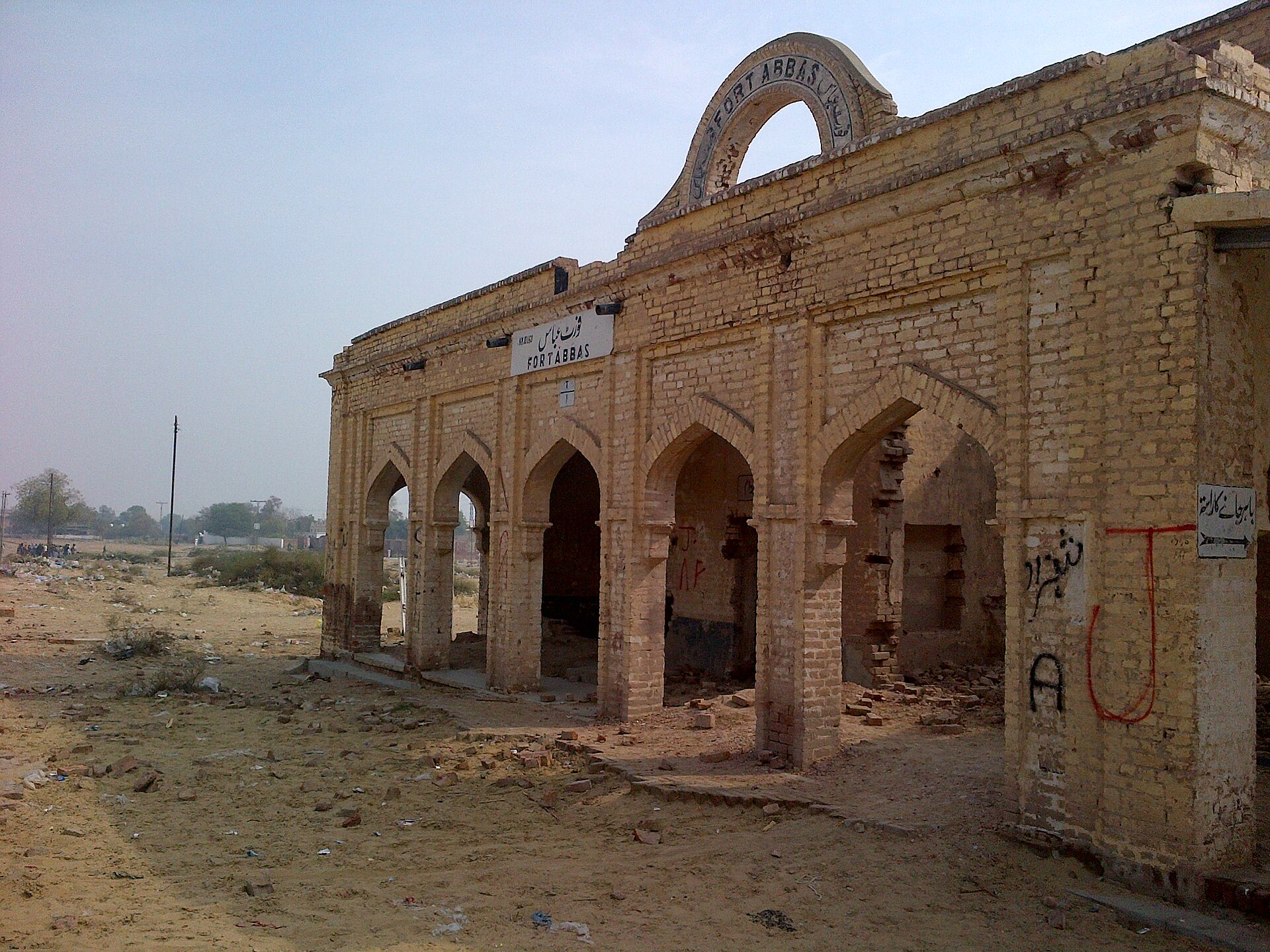
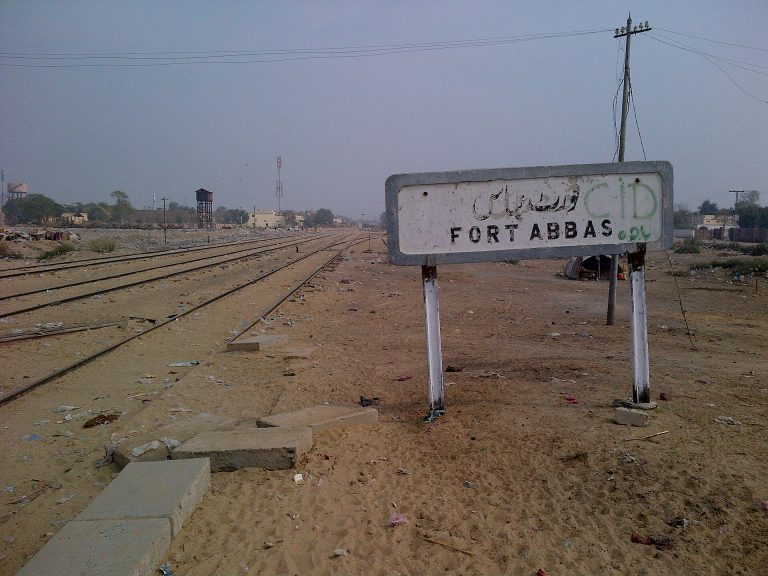 Fort Abbas and the Cholistan edgeThe tehsil town of Fort Abbas, formerly Pholra, was renamed in 1927 after a son of Nawab Sadiq Muhammad Khan V. It sits on the fringe of Cholistan, where ruined forts and hundreds of ancient sites line the old Hakra channel.
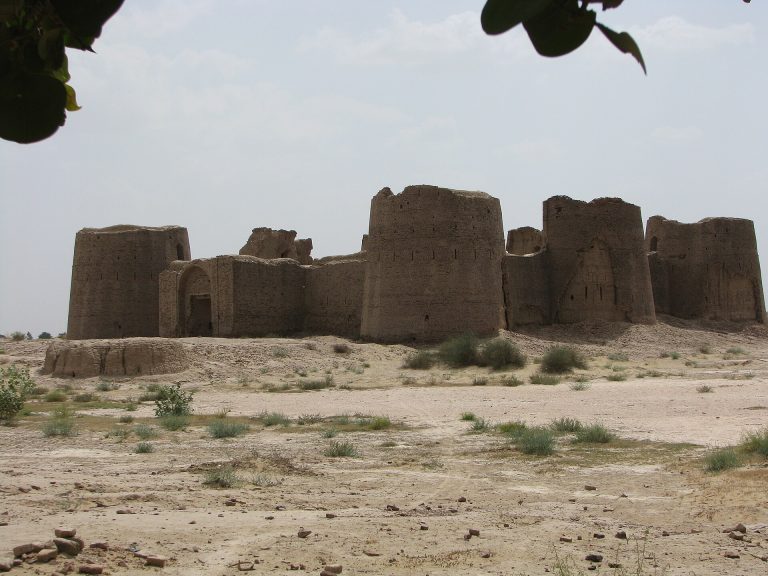 Marot FortOne of the chain of desert forts of Cholistan, its weathered mud and brick walls rise from the desert plain. Go with a local driver and check access locally.
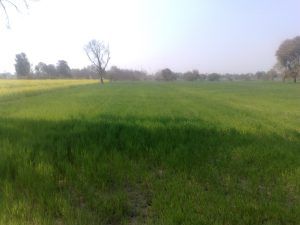
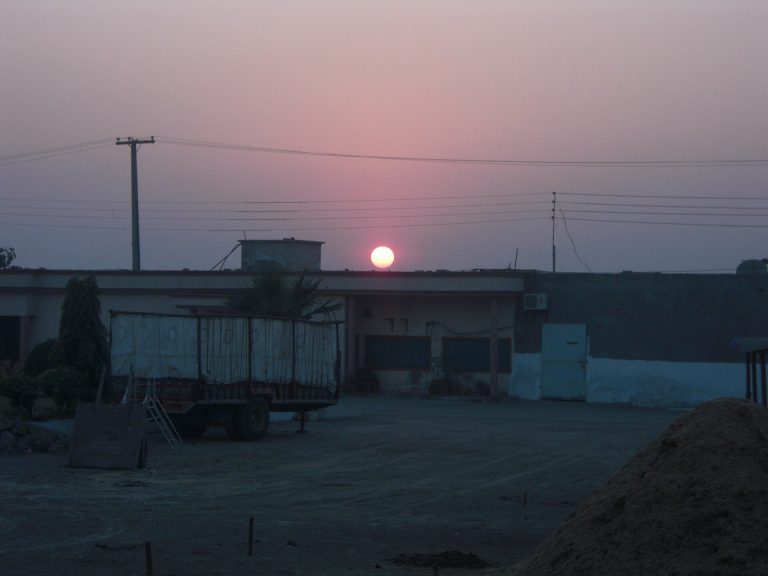 Sunset over the fieldsThe flat, canal-fed fields around the city glow at dusk, the simplest pleasure of a visit in winter.
Food and Farming
Plain, generous Punjabi and Saraiki food from the farms around town.
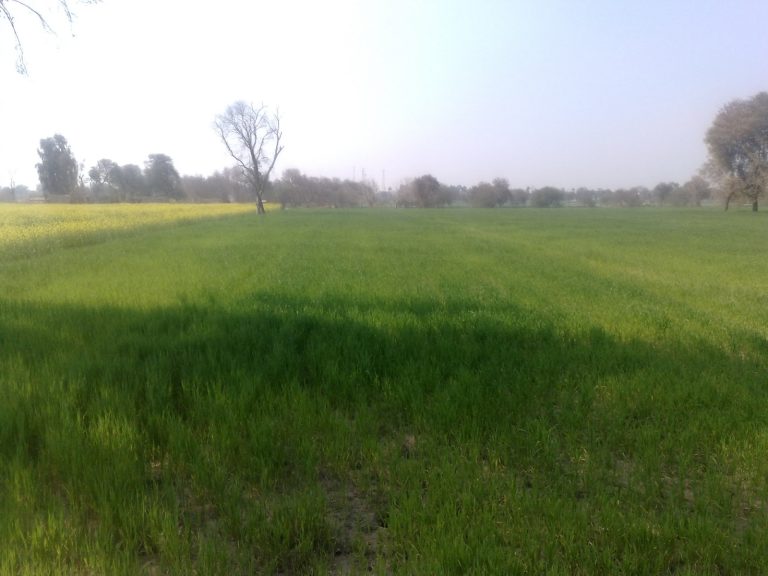 Wheat and rotiWheat is the staple crop, and tandoori roti with daal or a vegetable curry is the everyday meal.
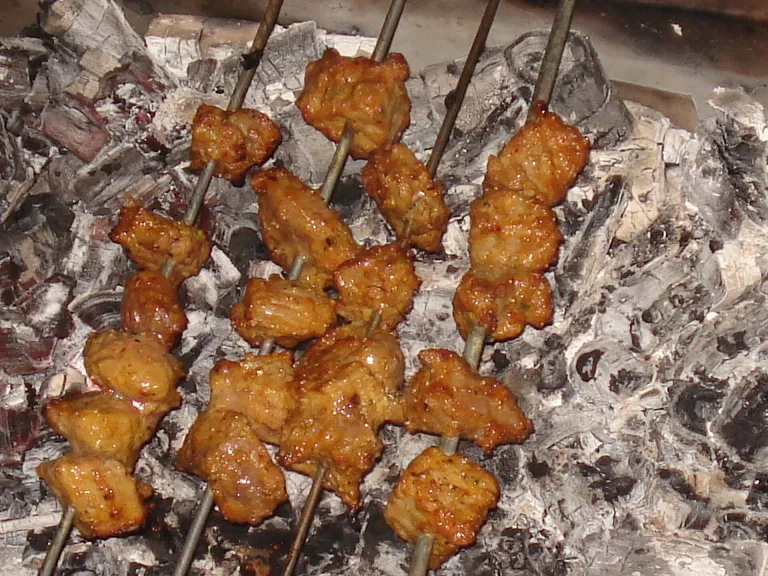 Karahi and tikkaRoadside grills along the main roads serve chicken and mutton karahi, tikka and kebabs in the evening.
 Lassi and dairyBuffalo and cow milk, yoghurt and lassi are central to village life; summer starts with a cold glass of lassi.
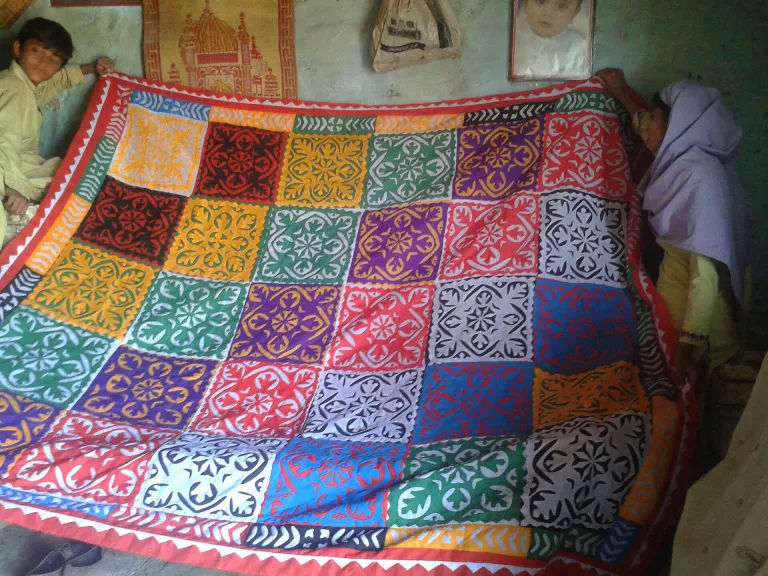 Cholistani craftsWoven rugs and embroidered textiles from desert communities turn up in local markets and fairs.
A Short History
Ancient times
The Hakra settlements
Hundreds of archaeological sites mark settlements along the dry Ghaggar–Hakra channel in Cholistan.
18th century
Bahawalpur rule
The area comes under the Abbasi nawabs of Bahawalpur.
1895
Rojhanwali station
A railway station opens at Rojhanwali, the hamlet that will become Bahawalnagar.
1904
Renamed
The town is renamed Bahawalnagar after Nawab Muhammad Bahawal Khan V.
1922
Municipal committee
A regular municipal committee is constituted.
1926
Sulemanki opens
The Sulemanki Headworks opens on 12 April, bringing perennial and seasonal canals to the district.
1947
Bahawalpur joins Pakistan
Bahawalpur State, including Bahawalnagar, accedes to Pakistan, and the old through-route towards Delhi loses its importance.
1960–1961
Border adjustment
An agreement transfers land near Sulemanki to Pakistan and the Hussainiwala area to India.
Getting There and Around
By air
Fly to Bahawalpur or Multan
Bahawalnagar has no airport; Multan has the most flights.
By rail
Bahawalnagar station
Branch lines connect the city towards Bahawalpur and to Fort Abbas and Amruka; services are limited, so check current timetables.
By road
Coaches to Bahawalpur, Multan and Lahore
Roads run west to Bahawalpur and Multan and north across the Sutlej towards Pakpattan and Lahore.
Desert trips
Hire a 4x4
For Fort Abbas and the Cholistan forts, hire a vehicle with a driver who knows the tracks; carry water.
Plan Your Visit
Best time to visit
November to February
Cool, dry and clear, the only comfortable season for the desert.
Weather
Semi-arid, very hot summers
Summer temperatures have topped 50 °C; most rain falls in the monsoon, which can bring floods.
Where to stay
Simple city hotels
Bahawalnagar has modest hotels; Bahawalpur has a wider choice.
Border district
Respect restricted areas
Parts of the district lie close to the border; follow local guidance and check current advisories.
Frequently Asked Questions
What is the population of Bahawalnagar?
The 2023 Census counted 241,873 people in Bahawalnagar city and 3,550,342 in Bahawalnagar District, which covers 8,878 km².
What was Bahawalnagar's old name?
The town was called Rojhanwali. It was renamed Bahawalnagar in 1904 after Nawab Muhammad Bahawal Khan V of Bahawalpur.
What is the Sulemanki Headworks?
A barrage on the Sutlej opened in 1926 as part of the Sutlej Valley Project. It feeds canals on both banks, including those that irrigate Bahawalnagar District.
Is Bahawalnagar part of Cholistan?
The southern part of Bahawalnagar District, around Fort Abbas, lies on the edge of the Cholistan desert; the city itself is in the irrigated Sutlej plain.
When is the best time to visit Bahawalnagar?
November to February. Summers are extremely hot, and the monsoon can bring floods along the Sutlej.
Keep Exploring
Related places and stories on DailyLife.pk
 Cholistan DesertCholistan Desert guide: Derawar Fort and the desert forts, the Cholistan Desert Rally, Channan Pir
 BahawalpurBahawalpur city guide: Noor Mahal, Darbar Mahal, Central Library, Lal Suhanra National Park, Derawar Fort
 MultanMultan city guide: Shah Rukn-e-Alam and other Sufi shrines, the walled city, blue pottery, sohan halwa
 LahoreLahore travel guide: Badshahi Mosque, Lahore Fort, Shalimar Gardens, the Walled City, food streets, neighbourhoods, metro
 Rivers and Lakes of PakistanPakistan's rivers and lakes: the Indus and its tributaries, the Indus Waters Treaty, Attabad, Saiful Muluk
 The British Colonial EraBritish rule in Pakistan 1843–1947: conquest of Sindh and Punjab, the North-West Frontier, railways, canal colonies
How we know this
- Type Place guide
- Sources 8 (3 official/academic)
- Reviewed October 2026
- Disputed points None
8 sources
- Table 1: Area, population by sex, sex ratio, density, urban proportion: Punjab districts (Census 2023), Pakistan Bureau of Statistics
- Pakistan: Provinces and Major Cities: 2023 Census, City Population (Thomas Brinkhoff), from PBS data
- Punjab (Pakistan): Urban Localities: 2023 Census, City Population (Thomas Brinkhoff), from PBS data
- Bahawalnagar, Encyclopaedia Britannica
- Our History, District Bahawalnagar, Government of the Punjab
- The Names on the Stone: Sulemanki at a Hundred, The Friday Times
- Bahawalnagar (overview used to locate primary sources), Wikipedia
- Fort Abbas (overview used to locate primary sources), Wikipedia
Photo credits (10)
- Satluj River view.jpg, M Nouman Zafar, CC BY-SA 4.0, via Wikimedia Commons
- Satluj river bridge at bahawalnagar.jpg, M Nouman Zafar, CC BY-SA 4.0, via Wikimedia Commons
- Fort Abbas; The South Punjab Terminus (12526375333).jpg, Muhammad Imran Saeed from City of London, Canada, CC BY 2.0, via Wikimedia Commons
- Fort Abbas; The South Punjab Terminus (12526576334).jpg, Muhammad Imran Saeed from City of London, Canada, CC BY 2.0, via Wikimedia Commons
- 319marot3.jpg, Naeemakram319, Public domain, via Wikimedia Commons
- Sunset in Bahawalanagar.jpg, M Nouman Zafar, CC BY-SA 4.0, via Wikimedia Commons
- Crops in Faqirwali.jpg, Programmer92, CC BY-SA 3.0, via Wikimedia Commons
- Tikka Boti.JPG, Miansari66, Public domain, via Wikimedia Commons
- Govt post graduate college Bahawalnagar.jpg, Muhammadzeeshanbwn, CC BY-SA 4.0, via Wikimedia Commons
- Ralli made by young girl.jpg, Irssa1111, CC BY-SA 4.0, via Wikimedia Commons
