
City guide
Alipur: Where the Five Rivers Meet
A tehsil town at the southern tip of Muzaffargarh District, near the confluence of Punjab's rivers and the Mughal-era tombs of Sitpur.
- Muzaffargarh District
- Near the Panjnad confluence
- Sitpur tombs
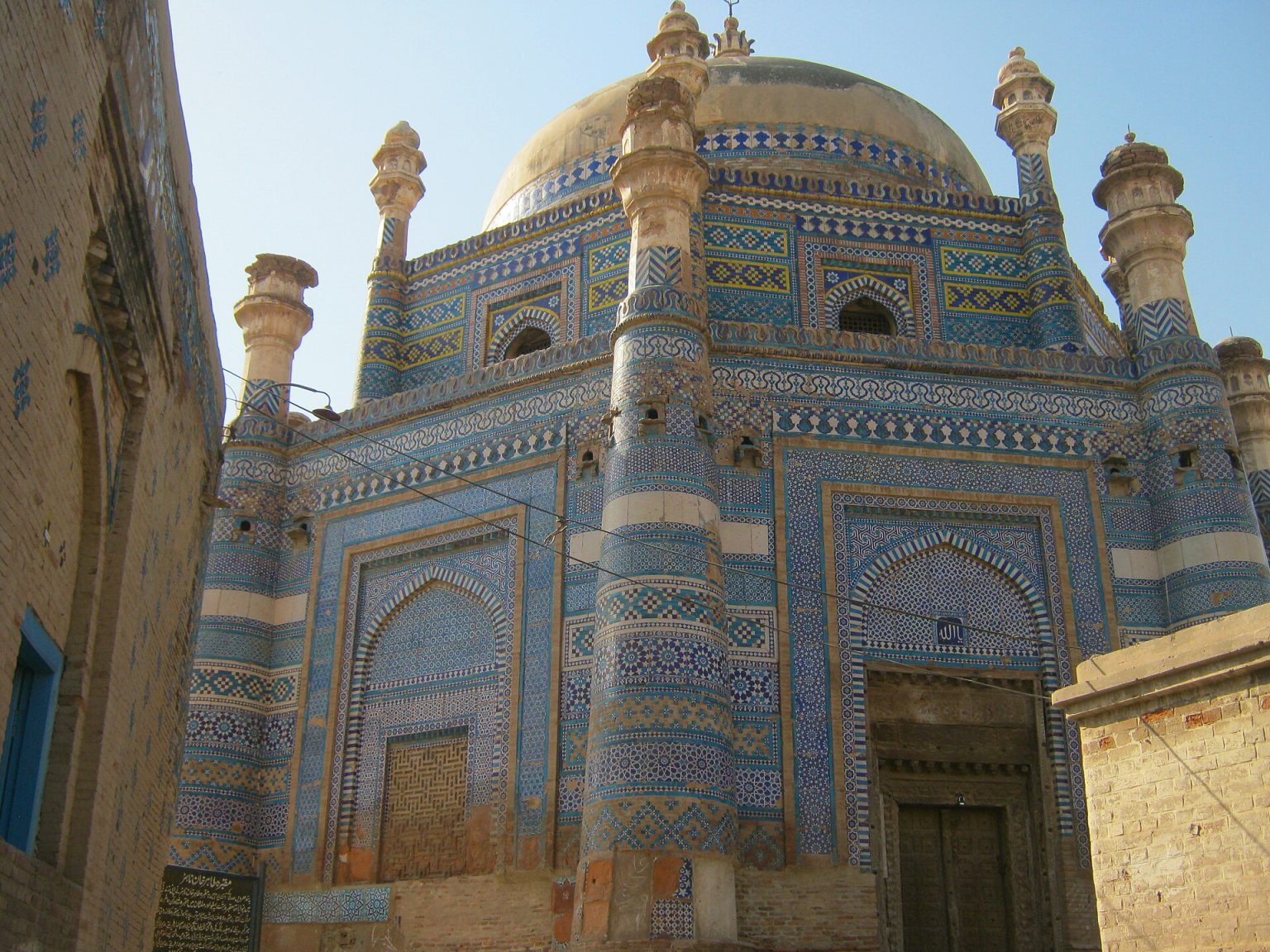
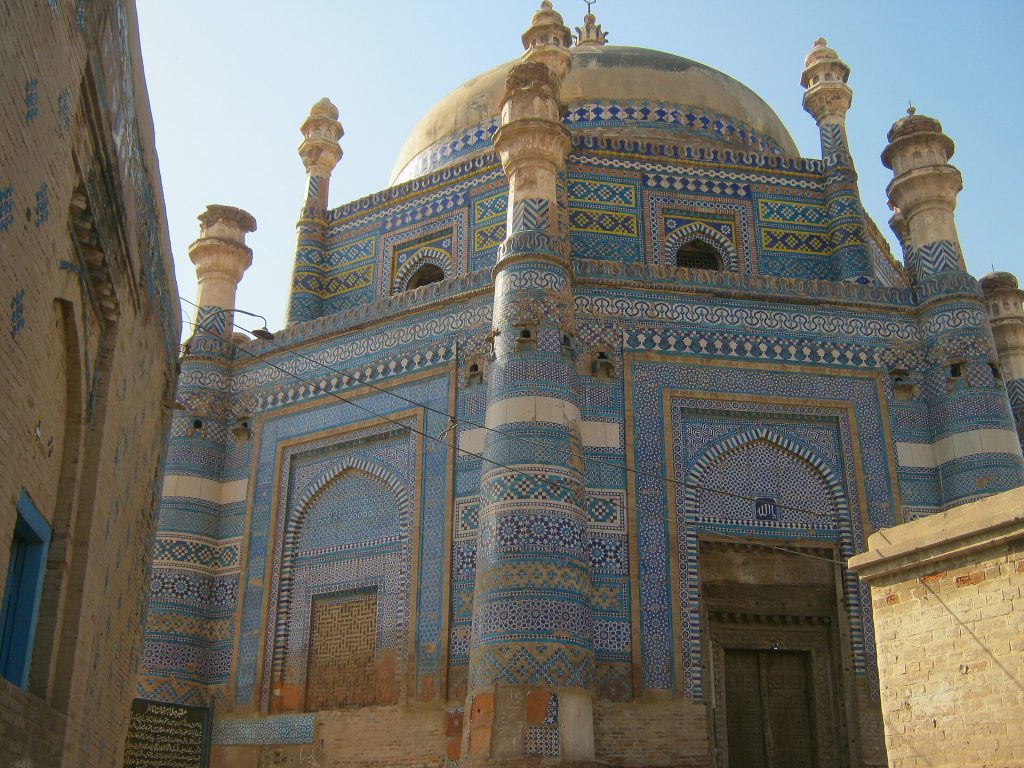
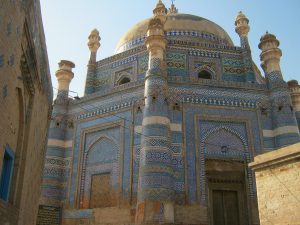
Tomb of Tahir Khan Nahar, Sitpur
Alipur at a Glance
About Alipur
Alipur is the headquarters of Alipur tehsil, the southern tip of Muzaffargarh District, where the land narrows between the Chenab–Panjnad and the Indus. The 2023 Census counted 760,526 people in the tehsil, of whom 177,893 lived in urban areas; a separate figure for Alipur town was not available in the sources we checked.
Until 1701 the area was a Panwar Rajput principality before passing to the nawabs of Muzaffargarh. In Mughal times the nearby town of Sitpur was the seat of the Nahar chiefs, and its 16th-century tomb of Tahir Khan Nahar, with its tiles and Multani style, is the area's finest monument.
Just to the south, the Chenab and the Sutlej have already merged as the Panjnad, the "five rivers" of Punjab, and a little further downstream the Panjnad joins the Indus near Kot Mithan. Around the town, the land is given to cotton, wheat and orchards.
Places to Visit
Mughal-era tombs and the meeting of Punjab's rivers.
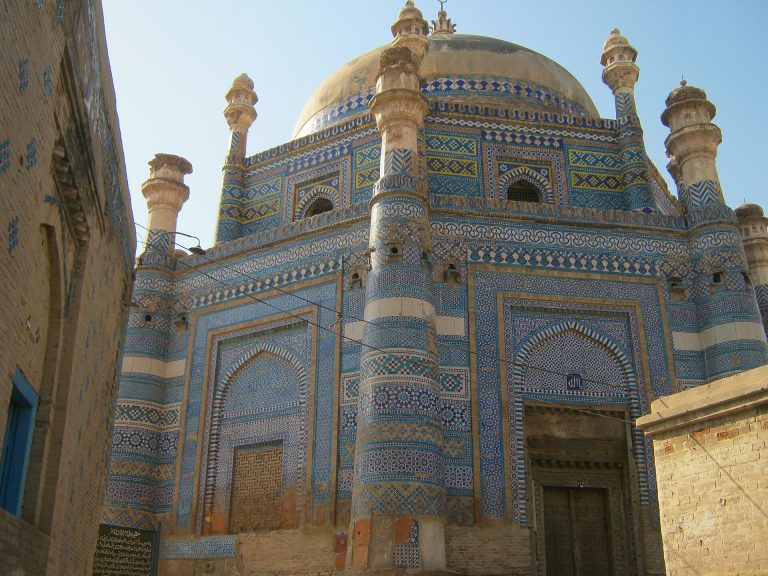 Tomb of Tahir Khan Nahar, SitpurA 16th-century mausoleum in the style of the Multan tombs, though smaller, beside the Shahi Mosque of Sitpur.
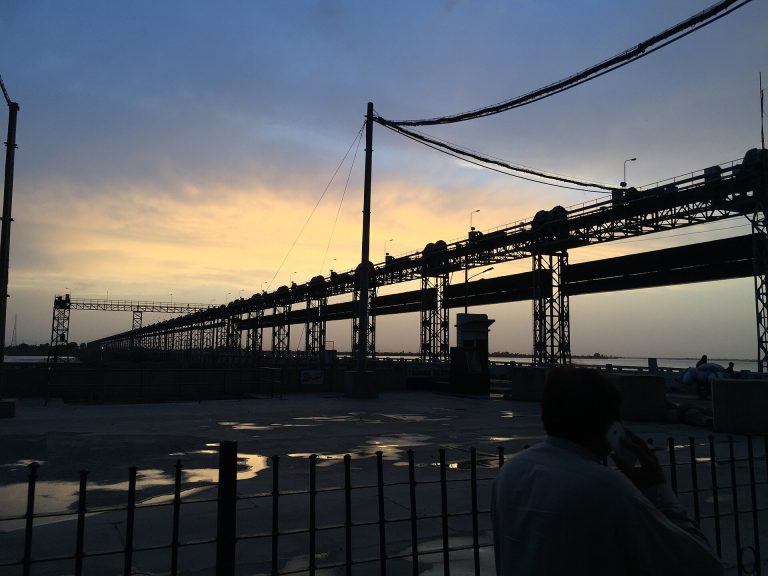
 Panjnad HeadworksAcross the river, about 12 km north of Uch Sharif, the barrage below the meeting of the Chenab and Sutlej was opened in 1932 and feeds the Panjnad and Abbasia canals.
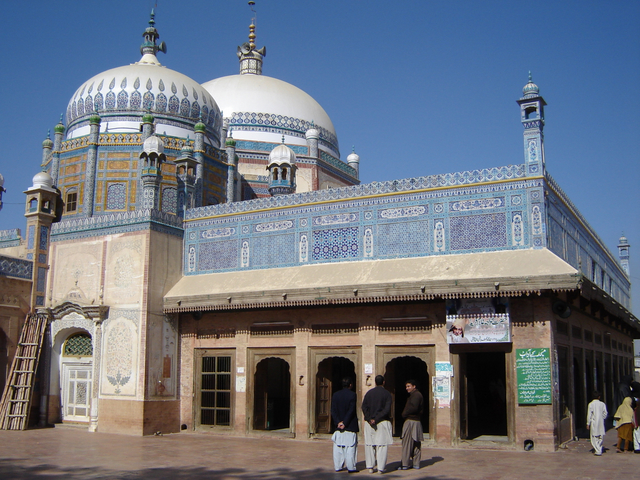
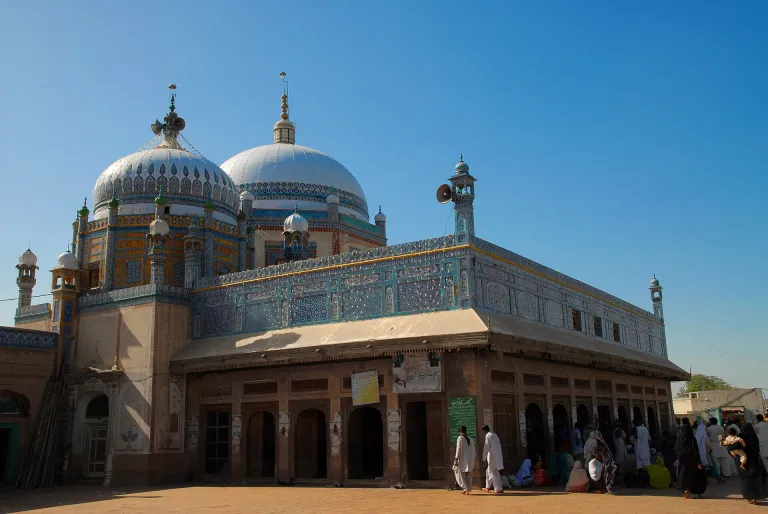 Kot MithanDownstream, where the Panjnad joins the Indus, the town holds the shrine of the Saraiki poet Khwaja Ghulam Farid.
 Uch SharifAcross the Panjnad in Bahawalpur District, the ancient shrine town of Uch with its tiled tombs.
A Short History
16th century
Tahir Khan's tomb
The mausoleum of Tahir Khan Nahar is built at Sitpur.
Mughal era
Territory of the Nahars
Imperial records describe Sitpur as "Sitpur of the Nahars".
1701
End of Panwar rule
Alipur passes from its Panwar Rajput rulers to the nawabs of Muzaffargarh.
1932
Panjnad Headworks
The barrage on the Panjnad is formally opened.
2023
Census
Alipur tehsil counts 760,526 people.
Getting There & Around
By air
Multan International
The nearest airport; Bahawalpur also has an airport.
By rail
Via Multan
Multan is the closest major station.
By road
Via Muzaffargarh and Jatoi
Roads run north through Jatoi to Muzaffargarh and Multan, and towards the Panjnad crossing.
Getting to Sitpur
Local roads
Sitpur is reached by local road within the tehsil; a hired car or rickshaw is easiest.
Frequently Asked Questions
Where is Alipur?
Alipur is the headquarters of Alipur tehsil in Muzaffargarh District, south Punjab, not to be confused with Alipur Chatha in Wazirabad District.
What is there to see near Alipur?
The 16th-century tomb of Tahir Khan Nahar at Sitpur, the Panjnad confluence and headworks, Kot Mithan and Uch Sharif.
What is the population of Alipur?
The 2023 Census counted 760,526 people in Alipur tehsil, 177,893 of them urban.
What is the Panjnad?
The river formed when the Chenab and the Sutlej meet, carrying the waters of Punjab's five rivers to the Indus.
Keep Exploring
Related places and stories on DailyLife.pk
 JatoiJatoi city guide: mosques, orchards and farmland, nearby Alipur and Sitpur, recovery after the 2022 floods
 MuzaffargarhMuzaffargarh city guide: Nawab Muzaffar Khan's 1794 fort town between the Chenab and Indus
 RajanpurRajanpur city guide: Khwaja Ghulam Farid's shrine at Kot Mithan, the Indus–Panjnad confluence, Harrand FortBahawalpurBahawalpur city guide: Noor Mahal, Darbar Mahal, Central Library, Lal Suhanra National Park, Derawar FortRivers and Lakes of PakistanPakistan's rivers and lakes: the Indus and its tributaries, the Indus Waters Treaty, Attabad, Saiful Muluk
 Sufi Shrines of PakistanVisit Pakistan's great Sufi shrines: Data Darbar, Shah Rukn-e-Alam, Lal Shahbaz Qalandar, Bhit Shah
How we know this
- Type Place guide
- Sources 5 (1 official/academic)
- Reviewed October 2026
- Disputed points None
5 sources
- Table 1: Area, population by sex, sex ratio, density, urban proportion: Punjab districts and tehsils (Census 2023), Pakistan Bureau of Statistics
- Alipur Tehsil: 2023 census summary (overview used to locate primary sources), Wikipedia
- Sitpur (overview used to locate primary sources), Wikipedia
- Panjnad Headworks (overview used to locate primary sources), Wikipedia
- Mithankot (overview used to locate primary sources), Wikipedia
Photo credits (4)
- Tomb of Emperor Tahir Nahar.JPG, Muhammad Ali Raza, CC BY-SA 4.0, via Wikimedia Commons
- A picture of Shrine of Hazrat Khwaja Ghulam Farid by Usman Ghani.jpg, Usman.pg, CC BY-SA 3.0, via Wikimedia Commons
- Indus River Skardu Pakistan.jpg, Akhtar Bashir Nigyaal, CC BY-SA 4.0, via Wikimedia Commons
- Front Elevation of Noor Mahal.jpg, Muhammad Ashar, CC BY-SA 3.0, via Wikimedia Commons
