Rajma Curry
راجما سالن
Stovetop recommended; pressure-cooker method not verified
Pakistani home-style red kidney beans simmered in a thick onion-tomato masala. Cook dry kidney beans thoroughly before adding acidic tomatoes; improperly prepared red kidney beans are unsafe.

Excludes 480 min soaking, 10 min resting. One tablespoon = 15 ml; one teaspoon = 5 ml.
About Rajma Curry
Pakistani home-style red kidney beans simmered in a thick onion-tomato masala. Cook dry kidney beans thoroughly before adding acidic tomatoes; improperly prepared red kidney beans are unsafe.
Personally cooked and tested by Zohair Fakhar for DailyLife.pk. Cooking times can vary with your stove, cookware and batch size; follow the texture and doneness cues in the method.
Make it work for your kitchen
Also known as Rajma Masala, Red Kidney Bean Curry, Rajma Salan.
Original quantities serve 4. Cooking times, pan size and frying-oil depth do not scale, cook in extra batches instead.
Before you start
Before you start
Read the recipe and measure ingredients Sort and rinse dried pulses; prepare aromatics and measure spices before heating the pan. Coordinate simmering and masala preparation in parallel. None Included in preparation time
Set up the equipment
Have the following tools ready before starting: Heavy-bottomed lidded saucepan; Wide sauté pan, wooden spoon and ladle; Colander, measuring jug and kitchen scale.
Clean workspaceMeasure the ingredients
Measure the ingredient quantities for your selected servings before applying heat. Keep separately listed groups, such as dough, filling, sauce or garnish, in separate containers; keep any optional additions separate.
Use the ingredient list aboveCheck allergens and substitutions
Check ingredient labels and any substitutions against these notes: No major allergens intentionally added; inspect spice labels
Before cooking
Step-by-step cooking method
1 Sort and soak the kidney beans
Inspect 320 g dried red kidney beans for stones, rinse and soak in ample cool water in the refrigerator for 8–12 hours. Drain, discard soaking water and rinse again.
2 Boil vigorously before simmering
Put soaked beans in a large pot with 1800 ml fresh water.
3 Boil vigorously before simmering (continued)
Bring to a full, rolling boil for at least 30 minutes, then reduce heat and simmer until every bean is completely soft, typically another 60–100 minutes; top up with boiling water.
4 Cook the onion base
Heat 45 g oil over medium in a wide pan. Add 6 g cumin for 20 seconds, then 220 g onion and cook 9–12 minutes until lightly golden.
5 Reduce the tomato masala
Stir in 18 g ginger and 20 g garlic for 1 minute.
6 Reduce the tomato masala (continued)
Add 300 g tomatoes, 9 g ground coriander, 2 g turmeric, 3 g chilli and 8 g salt. Cook uncovered 10–14 minutes over medium-low until thick and fragrant, stirring to prevent scorching.
7 Thicken with cooked rajma
Add the fully tender beans and enough bean cooking liquid for a thick gravy. Mash 2–3 tablespoons of beans, then simmer gently uncovered 12–18 minutes, stirring. Add a splash of hot bean water if too thick.
8 Finish and rest
Stir in 4 g garam masala; scatter optional 15 g coriander. Rest covered 10 minutes before serving with rice or roti, excluded from nutrition.
Chef’s tips
- A hard rolling boil before simmering is a kidney-bean safety step, not optional texture advice. Check the latest authority guidance and bean packaging
- Adjust free liquid based on actual absorption and pan evaporation; do not scale cooking time automatically.
- Taste salt and chilli at the end; adjust gradually.
Common mistakes & quick fixes
- Beans remain hard
- Continue boiling/simmering with fresh hot water; do not finish in tomato masala yet.
- Masala catches
- Lower heat and add reserved cooking liquid a spoonful at a time.
- Gravy too thin
- Mash a few fully cooked beans and reduce gently without a lid.
Variations & serving ideas
Variation: Use cooked canned kidney beans only if labelled fully cooked; rinse and skip dry-bean boiling. Adjust cooking liquid accordingly.
Variation: Increase green chilli to preference, but avoid overwhelming the beans.
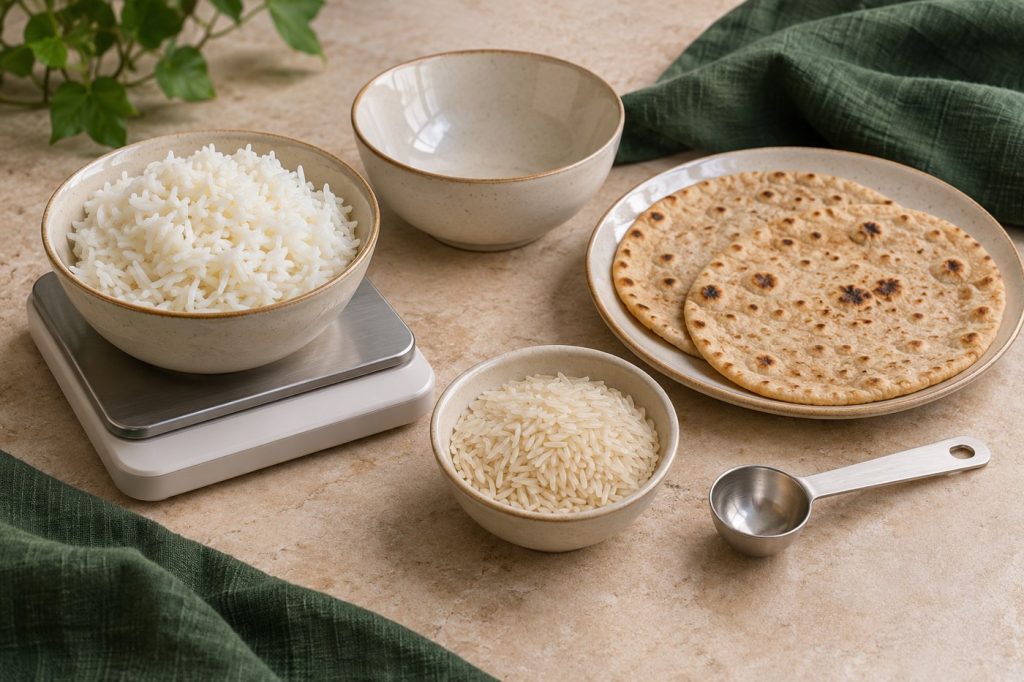
Variation: Serve with basmati rice as rajma chawal; rice is a separate recipe and excluded from nutrition.
Perfect result check
| Check | Every kidney bean is completely tender with no chalky core |
|---|---|
| Check | Thick gravy coats whole beans without becoming dry |
| Check | No raw tomato flavour |
Storage & reheating
| Fridge | 3–4 days | Cooling and refrigeration Refrigerate promptly in shallow containers at or below 4°C within 2 hours (1 hour above 32°C). Use within 3–4 days. |
|---|---|---|
| Freezer | Freezing Freeze promptly in meal portions; best texture varies and texture may soften after freezing. | |
| Reheating | Reheat until 74°C/165°F throughout, stirring thoroughly. Add a little water if the kidney bean gravy has thickened. |
Know when to change the heat
| Stage | Heat | What to look for |
|---|---|---|
| Initial kidney bean boil | High heat | Maintain a full rolling boil in fresh water for at least 30 minutes after soaking and draining; this stage is separate from the later low simmer. |
| Tenderise beans, then combine | Low heat | Continue until beans are completely soft with no chalky centre, keeping enough hot water in the pot. Combine tender beans with the cooked masala and simmer gently. |
Helpful answers before you cook
Can I shorten the initial rolling boil?
Keep the full initial boil in this dried-kidney-bean method. FDA guidance calls for soaking at least 5 hours, then boiling in fresh water at least 30 minutes to destroy the bean lectin. This recipe uses an 8–12 hour refrigerated soak.
Can I use a pressure cooker?
No universal cooker instructions are claimed. Model-specific minimum liquid, fill and release guidance requires testing.
Why are the beans still chalky?
The initial boil and final tenderness are separate checks. After the full rolling boil, continue simmering until every bean is soft through, topping up with hot water before the pot dries. Bean age can change the time; do not combine firm beans with the masala and assume a short final simmer will fix them.